DCB Innovation Challenge winner Una Health approved as Digital Health Application in Germany (DiGa)

DCB Innovation Challenge winner Una Health approved as Digital Health Application in Germany (DiGa)

DCB Innovation Challenge winner Una Health approved as Digital Health Application in Germany (DiGa)

Berlin, February 13, 2024 – The Una Health smartphone app for diabetes, a digital application for the treatment of type 2 diabetes, has been included in the DiGA directory by the Federal Institute for Drugs and Medical Devices (BfArM) in Germany as a digital health application (DiGA) and can now be prescribed on prescription. Una Health for Diabetes is the first German DiGA with a holistic and personalized treatment approach that combines blood glucose monitoring, lifestyle, drug treatment and mental health.

Una Health approved as German Digital Health Application (DiGA) for diabetes: New guideline-based solution for type 2 diabetes

In 2022, Una Health won the DCB Open Innovation Challenge in the Digital Diabetes category. Now, they have achieved a major milestone: the app for managing type 2 diabetes has now been qualified as a DiGA (German Digital Health Application) and can now be prescribed on prescription in Germany.

Type 2 diabetes affects almost 9 million people in Germany, and the trend is rising. The disease requires continuous monitoring and blood glucose control in order to avoid concomitant diseases such as renal insufficiency or retinal damage and a negative course of the disease. The approval of Una Health for diabetes has now made it possible to offer a non-drug therapy option to improve the quality of life for people living with type 2 diabetes. The application combines continuous glucose meter and dietary data in a mobile app that helps people with type 2 diabetes understand the reasons for their blood glucose fluctuations and make long-term lifestyle changes to keep their glucose levels stable. The therapy is available for all people with a diabetestype 2 diagnosis from the age of 18 (ICD 10 E11.-).

Function and evidence

By analysing individual blood glucose reactions, the app offers personalised lifestyle recommendations that improve blood glucose control. With evidence-based content, goal functions and coaching messages, the app facilitates effective implementation of lifestyle changes. This innovative approach enables users to expand their knowledge about diabetes and optimise their lifestyle in a personalized way. In a clinical study in collaboration with Prof. Dr. med. Peter Schwarz, diabetologist at the TU Dresden and President of the International Diabetes Federation (IDF), it was shown that the use of Una Health for Diabetes led to a significant improvement in blood glucose levels, weight and quality of life in people with type 2 diabetes. 96% of users would recommend the application to others.

Development

“We are thrilled to introduce Una Health for Diabetes to the public after an intensive development phase. Our non-drug treatment approach is helping to improve the care and quality of life for people with type 2 diabetes,” says Matthew Fenech, MD, diabetologist and founder of Una Health. “Our mission is to combine innovative technology with medical expertise to create solutions for the millions of people with diabetes and caregivers that are both easily accessible and easy to integrate into everyday life. We want to empower people to take a proactive approach to their health and better understand the impact of lifestyle and behavior.”

Una Health for Diabetes was developed with leading diabetologists and nutritionists to high clinical and data protection standards in Germany. Professor Martin Möckel, MD, internist and Medical Director of Emergency and Acute Medicine at Charité Berlin and Chairman of the “Digital Health Applications/AI in Guidelines” working group at the German Society of Internal Medicine (DGIM), confirms: “Una Health GmbH has developed a program that has a lasting impact on patients’ lifestyles and motivates them to change their behaviour by directly reflecting back to them”. Una Health for Diabetes 2023 impressed the expert jury of the DiGA Pitch Battle at the DGIM congress in Wiesbaden with its sustainable concept.


The application is now available for Android and iOS devices. To find out more about use and prescription, visit the website at https://unahealth.de/for-partners.


About Una Health:

The start-up Una Health won the DCB Open Innovation Challenge in the Digital Diabetes category in 2022. Una Health, based in Germany, is a leading provider of digital health applications with a mission to address the ever-growing burden of metabolic disease. By providing personalised tools and resources, Una Health helps users to manage their blood glucose levels, adapt their lifestyle and develop healthier habits in the long term. The mission is to combine innovative technology with medical expertise to provide personalised solutions that enable people to proactively address their health and lead a fulfilling life.

Links

Contact

Press department Una Health

E-Mail: presse@unahealth.de

Phone: +49 – 30 – 863 232 552

Sign up for our newsletter
to receive the latest news.

* Pflichtfelder
DSGVO *
DCB Research AG
Freiburgstrasse 3
3010 Bern
Switzerland

Diabetes Center Berne and Tidepool: New Collaboration to Advance Research in Diabetes and Women’s Health

Diabetes Center Berne and Tidepool: New Collaboration to Advance Research in Diabetes and Women’s Health

Diabetes Center Berne and Tidepool: New Collaboration to Advance Research in Diabetes and Women’s Health

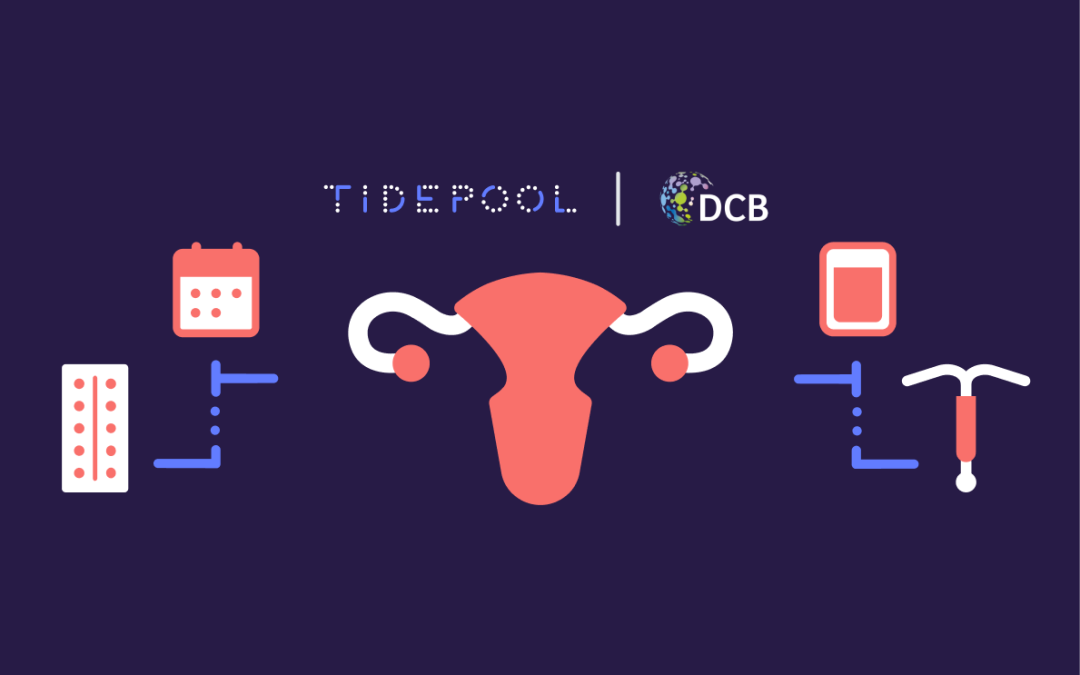
Bern/Palo Alto, 13 December 2023 – Diabetes Center Berne (DCB), a private, independent Swiss foundation and Tidepool, a US-based non-profit organisation are entering a partnership to explore the relationship between diabetes and women’s health. The first initiative in this collaboration will focus on the menstrual cycle’s influence on insulin-dependent diabetes.

Menstrual Cycle Study

Recognizing the challenges faced by women with insulin-dependent diabetes, research specifically investigating the menstrual cycle’s impact on diabetes management remains limited so far. This lack of focused study has hindered the development of tailored treatment strategies for women. The partnership between Diabetes Center Berne (DCB) and Tidepool aims to fill this critical research gap. Their joint effort is focused on the examination of the interplay between the menstrual cycle and diabetes management, with the goal of enhancing care and improving quality of life.

To explore the relationship between menstrual cycles and insulin-dependent diabetes with the goal of supporting the development of tools and products to lower the burden of diabetes management throughout the menstrual cycle, Tidepool and DCB are joining forces and will start with a first study. Tidepool facilitates access to the data of people living with type 1 diabetes who menstruate and provides their expertise in data collection for this initiative and DCB will provide expertise in clinical research and research infrastructure.

“Tidepool and DCB share common goals,” says Martina Rothenbühler, Data Science Lead at DCB. “We are both non-profit organizations aiming to make life with diabetes easier, fostering innovation, and sharing a deep interest in translating scientific findings into recommendations and tools that make diabetes management easier.”

Stefanie Hossmann, Clinical Research Lead at DCB, adds: “Partnering with Tidepool offers us an opportunity to meet with a highly motivated team dedicated to analyzing different aspects around the menstrual cycle, the Tidepool Period Project.”

“The DCB team has a strong academic focus that complements the roadmap we have built out for the Tidepool Period Project and the skills that we have on the Tidepool team, and we are so excited about this partnership,” said Saira Khan-Gallo, Access & Equity lead at Tidepool. 

About DCB
Diabetes Center Berne (DCB) is a private, independent Swiss foundation established in 2017 with the aim of making life with diabetes easier. DCB supports ideas and projects in the field of diabetes technology worldwide by providing expertise, access to clinical research facilities and its own laboratories, as well as financial resources. The aim is to bring them a big step closer to market entry in a collaborative partnership. The work of the DCB is non-profit – the goal is new insights and innovations around diabetes management as well as a vibrant community.

About Tidepool
Tidepool is a recognized innovator in diabetes software on a mission to make diabetes data more accessible, actionable, and meaningful for people with diabetes, their care teams, and researchers. Founded in 2013, Tidepool hosts a suite of software tools for people with diabetes and the clinics that serve them, including Tidepool Web, Tidepool Mobile, Tidepool Uploader, and soon Tidepool Loop. Tidepool is a registered 501(c)3 nonprofit organization. Learn more at tidepool.org. Follow us on Twitter at @Tidepool_org and on Facebook and Instagram.

Contacts

Diabetes Center Berne

Fribourgstrasse 3
CH-3010 Berne 
www.dcberne.com

Media Contact
Sunjoy Mathieu
medien@dcberne.com

Tidepool

555 Bryant Street #429
Palo Alto, CA 94301
www.tidepool.org

Media Contact
Saira Khan-Gallo
media@tidepool.org

Links

About the Menstrual Cycle Study

More recent news

TIMES Study | Take part now!

TIMES Study | Take part now!

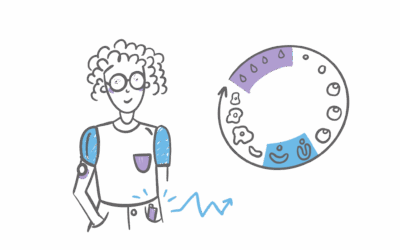
The TIMES study is being conducted by the Diabetes Center Berne (DCB) and aims to gain a better understanding of type 1 diabetes (T1D) throughout the menstrual cycle.
This could ultimately improve the quality of life for women with T1D.
DT-Report 2026: Join now

DT-Report 2026: Join now

The survey for the DT Report 2026 is now available – Take part and help shape the future of diabetes technology with...

Sign up for our newsletter
to receive the latest news.

* Pflichtfelder
DSGVO *

DCB Research AG

Freiburgstrasse 3
3010 Bern
Schweiz

DCB Enters Partnership with digital health center bülach

DCB Enters Partnership with digital health center bülach

DCB Enters Partnership with digital health center bülach

DCB is proud to announce a new partnership with the digital health center bülach. The collaboration will foster digital health innovation in the diabetes field and broaden the respective networks.

New partnership with the digital health center bülach

DCB is proud to announce new partnership with the digital health center bülach.

In the digital health center bülach, start-ups collaborate with established companies from the Information and Communication Technology (ICT) sector and healthcare industry to research and develop innovative solutions.

Together, DCB and the digital health center bülach want to broaden their networks and collaborate to foster digital health innovation in the diabetes field even more

To learn more, visit their website: https://www.digital-health-center.ch/

Sign up for our newsletter
to receive the latest news.

* Pflichtfelder
DSGVO *

DCB Research AG

Freiburgstrasse 3
3010 Bern
Schweiz

DCB Open Innovation Challenge: MYNERVA and Spotlight-AQ Emerge as Winners

DCB Open Innovation Challenge: MYNERVA and Spotlight-AQ Emerge as Winners

DCB Open Innovation Challenge: MYNERVA and Spotlight-AQ Emerge as Winners

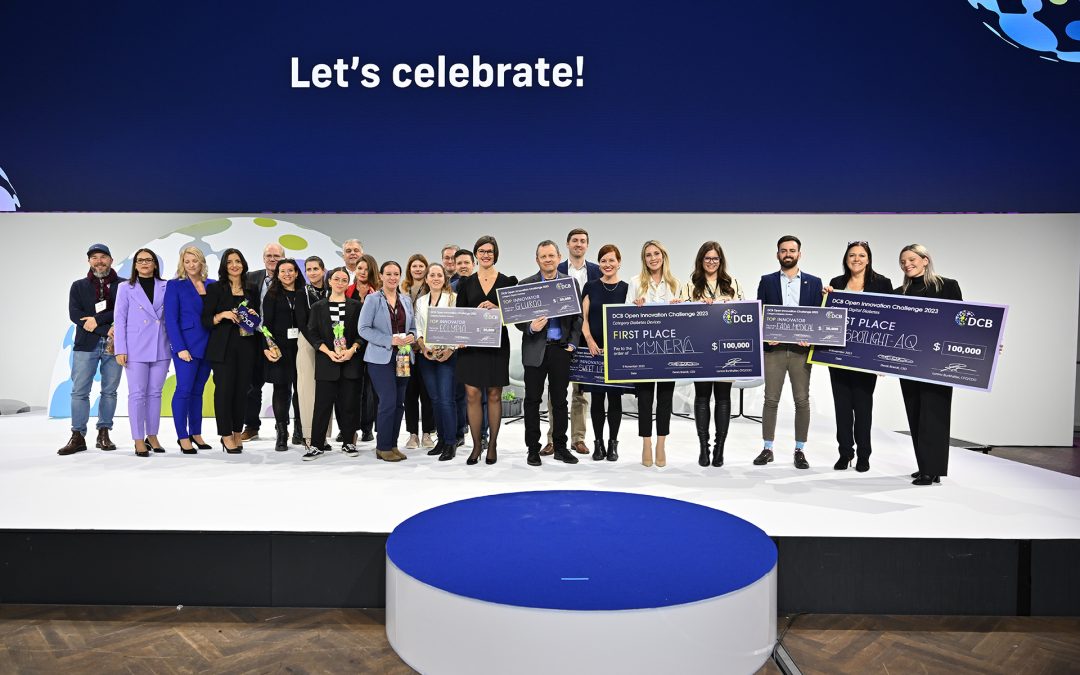
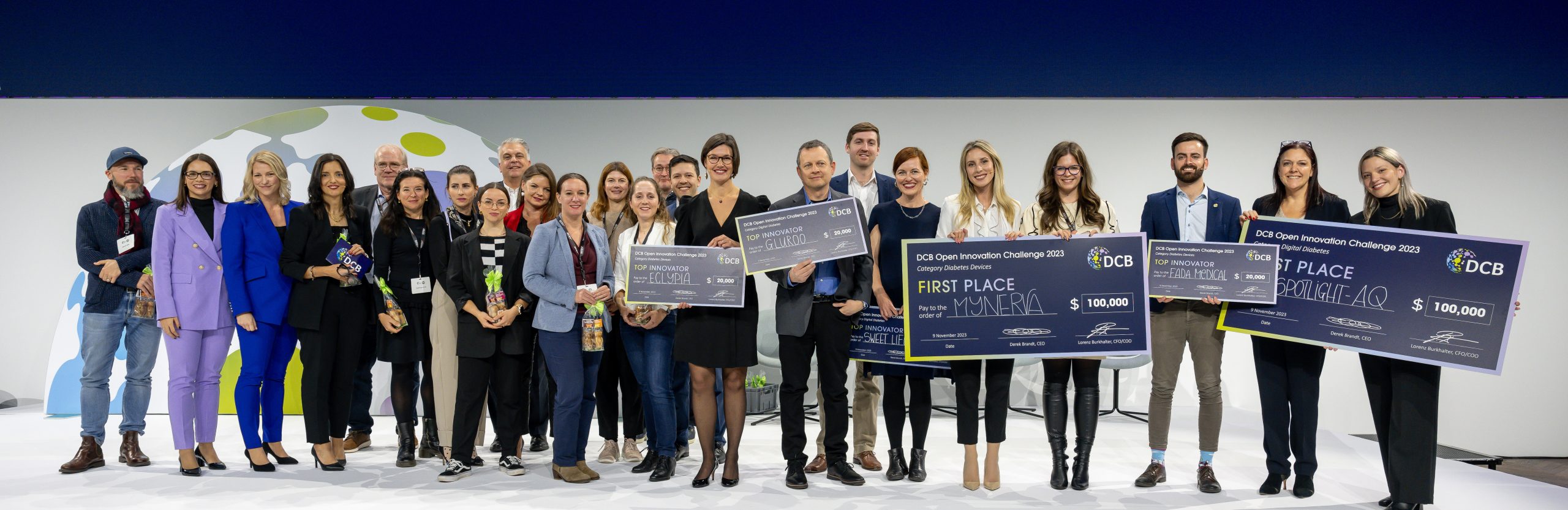
On November 9, this year’s DCB Start-Up Night and Award Ceremony of the Open Innovation Challenge 2023 took place. After an exciting evening of pitching, an international jury chose the winners of the third edition of the Open Innovation Challenge, which this year was split up into the two categories “Diabetes Devices” and “Digital Diabetes”.


Incredible 66 ideas were submitted to the Challenge, with three finalists in each category. These six finalists from the U.S., the U.K., Switzerland, Ireland, South Africa and France pitched their projects live on stage in Bern in front of 300 guests and an international jury. The first prizes of 100.000 USD in funding and in-kind support each went to MYNERVA (Switzerland) in the category Diabetes Devices and to Spotlight-AQ (U.K.) in the category Digital Diabetes.

“The DCB Open Innovation Challenge is our yearly highlight and our contribution to help the best startups in diabetes technology with a variety of services and sustainable connections. We are thrilled to continue our collaboration with all the finalists”,

says Ema Grabenweger, Innovation Manager and organiser of the DCB Start-Up Night.

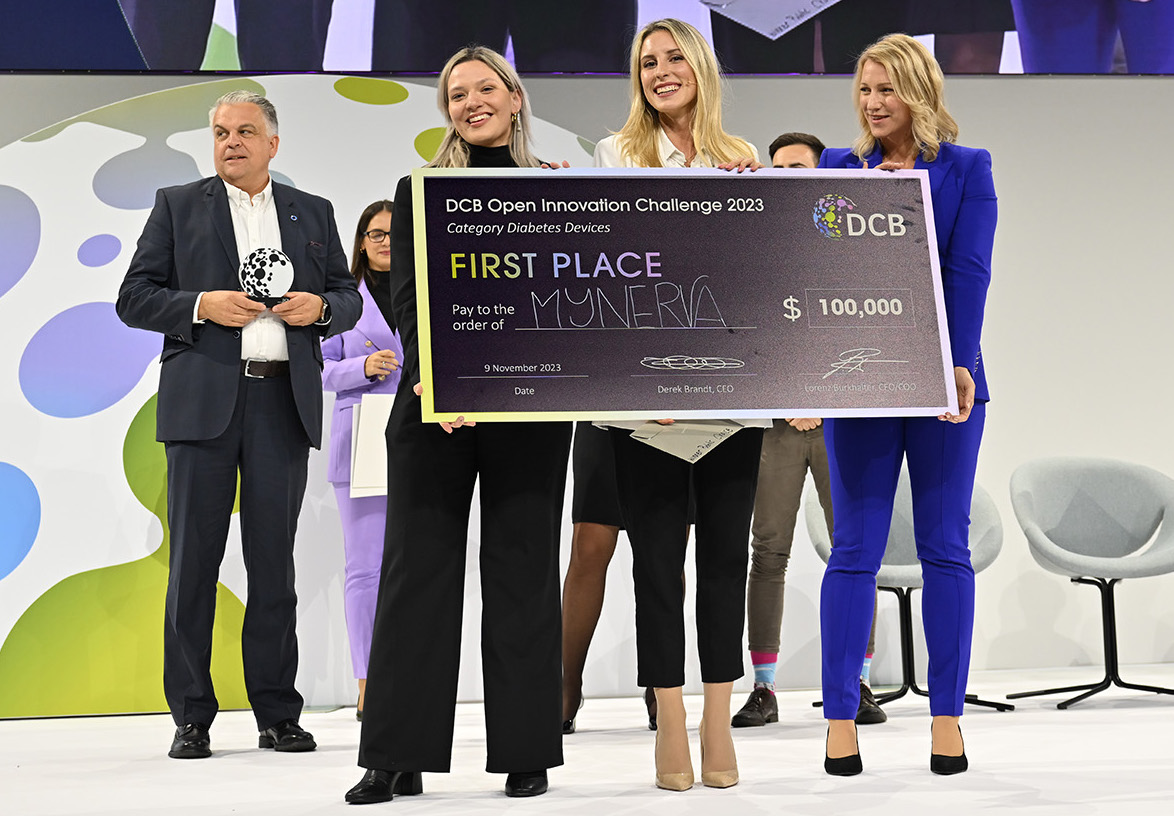
1st Place Diabetes Devices: MYNERVA

Derek Brandt (CEO DCB), Greta Ehlers (Business Development DCB), Greta Preatoni (CEO MYNERVA) and Maren Schinz (Innovation Manager DCB)

MYNERVA, winner of the category Diabetes Devices, is developing a unique wearable device for people living with diabetic neuropathy. The device restores the sense of touch and decreases pain through a non-invasive electrical nerve stimulation driven by AI algorithms.

In her pitch, CEO Greta Preatoni emphasised the impact this can have on people’s quality of live, giving them back the ability to walk with more ease and without pain.

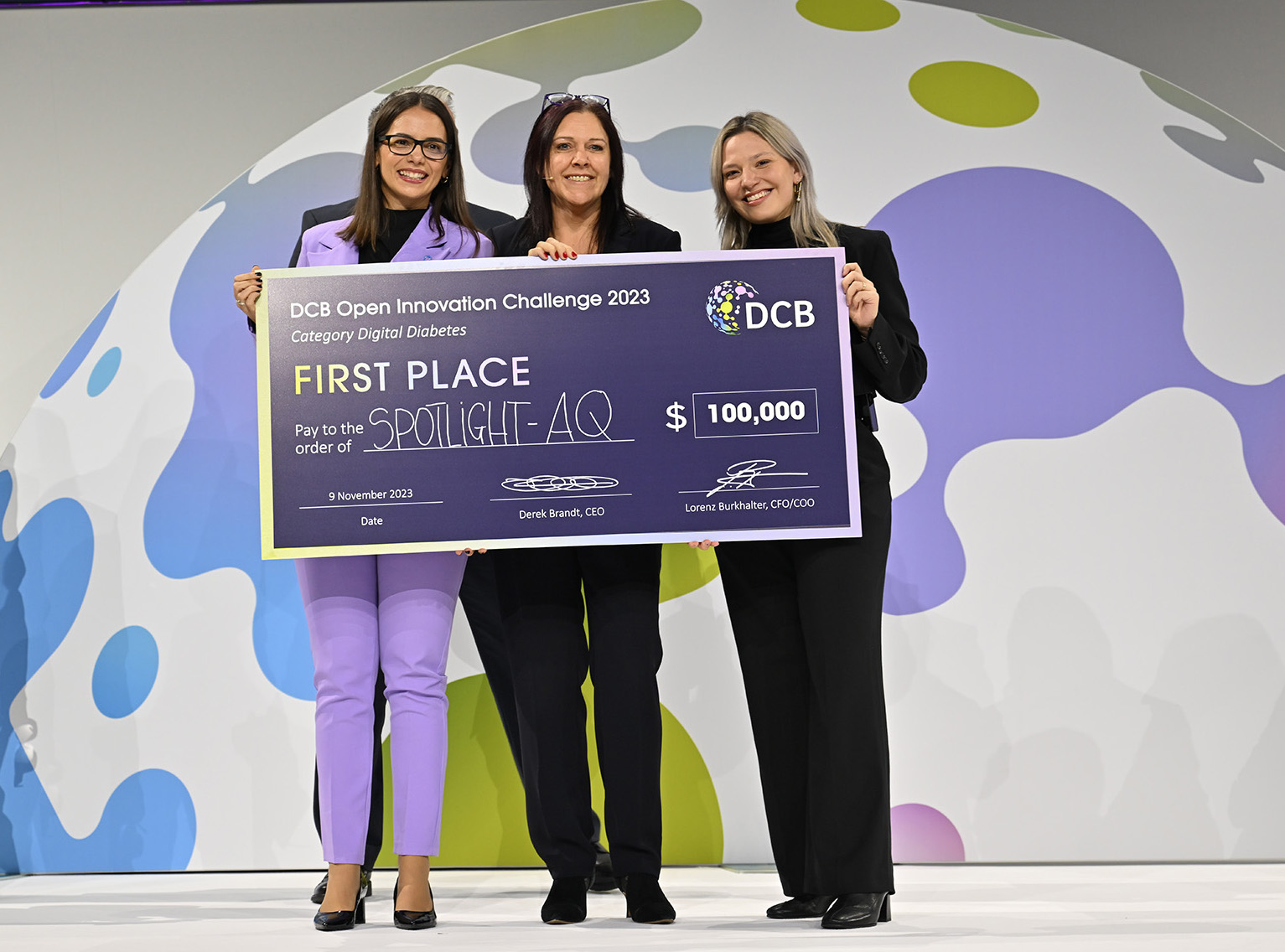
1st Place Digital Diabetes: Spotlight-AQ

Ema Grabenweger (Innovation Manager DCB), Katharine Barnard (Spotlight-AQ) and Greta Ehlers (Business Development DCB)

Spotlight-AQ, winner of the category Digital Diabetes, is on a mission to improve routine visits by helping people with diabetes to feel heard and doctors feel empowered to care. It is a novel validated infographic assessment platform highlighting user priority concerns and immediate mapped resources to meet those unmet needs. 

In her pitch, CSO Katharine Barnard emphasised the role this can play within the constraints of existing healthcare systems and structures, benefiting people with diabetes, while reducing burnout among treating physicians. 

A Night of Innovation and Celebration

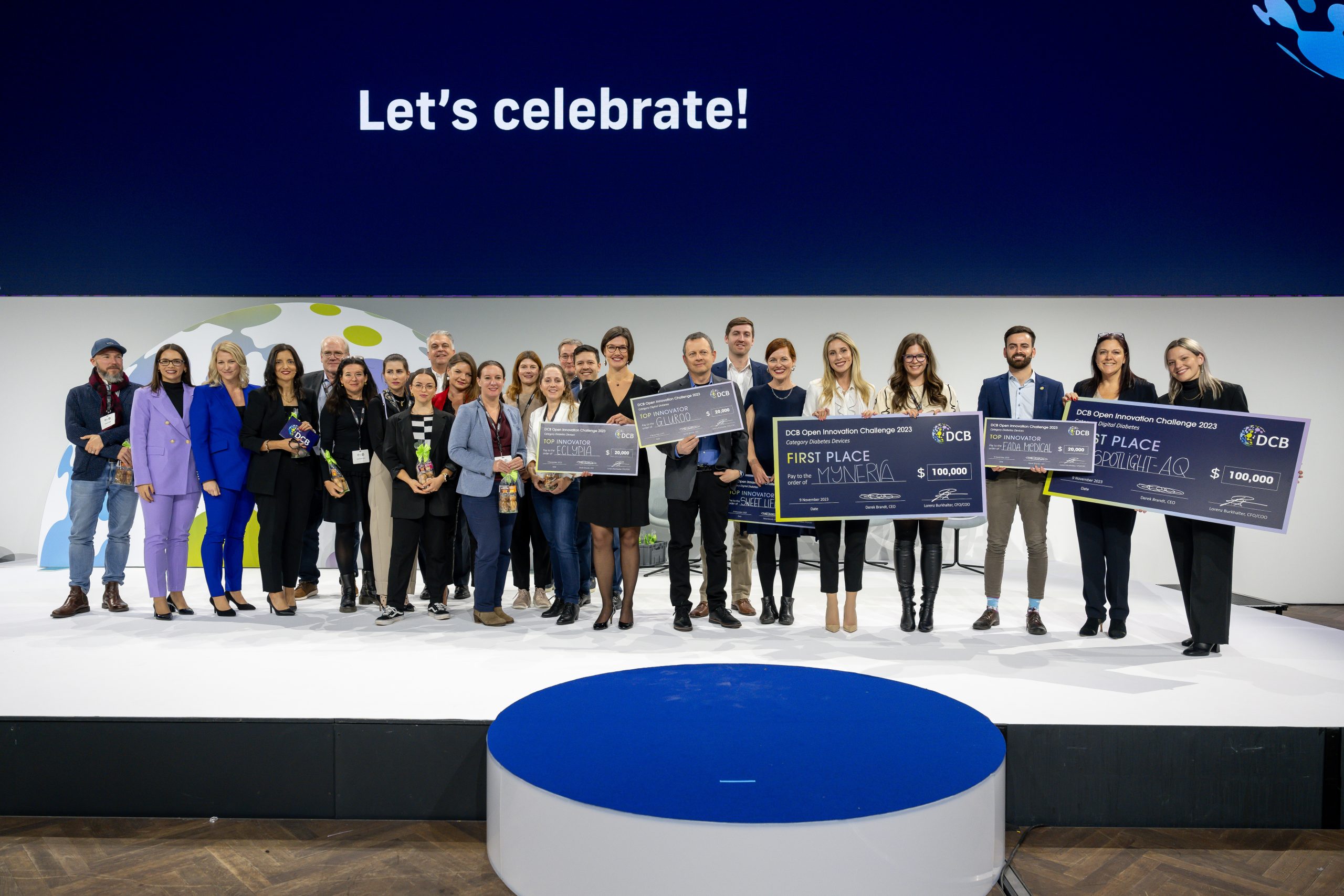
All participating start-ups ready to celebrate with mentors, organisers and jury members

The DCB Start-Up Night marks the finale of the DCB Open Innovation Challenge and was celebrated accordingly. The two winners were awarded 100.000 USD each, consisting of 50.000 USD in funding and 50.000 USD in in-kind support (services provided by DCB and its partner network). The four remaining finalists received 20.000 USD each, consisting of 10.000 USD in funding and 10.000 USD in-kind support:

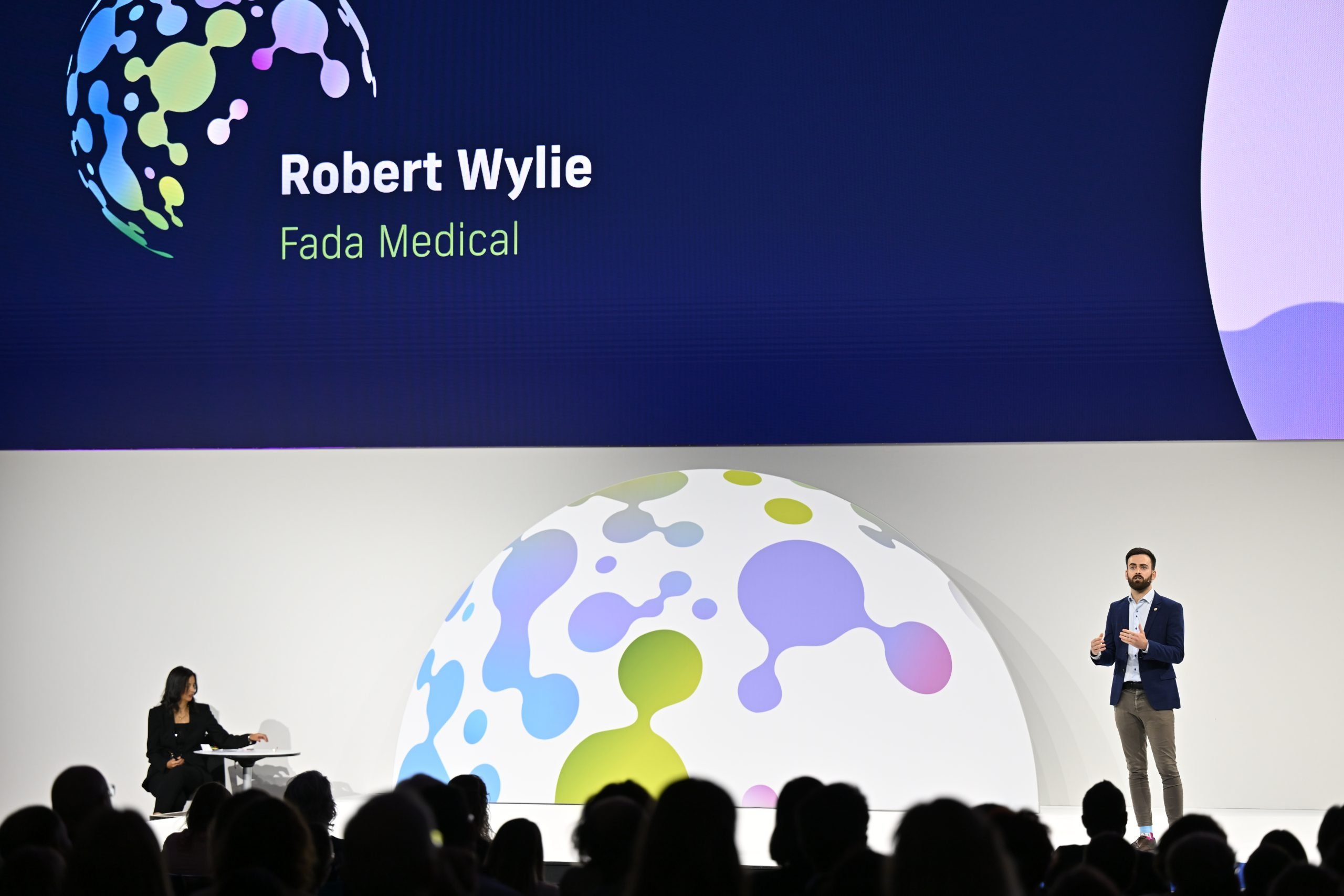
The four finalists pitching live on stage 

Diabetes Devices

Fada Medical (Ireland): Fada Medical has developed a technology that can extend an infusion site cannula’s performance for up to 30 days to support long term insulin pump use for people with type 1 diabetes. They use a first-of-its-kind method to successfully delivery a therapeutic, such as insulin, into subcutaneous tissue and past any blockage that can occur from the foreign body response.

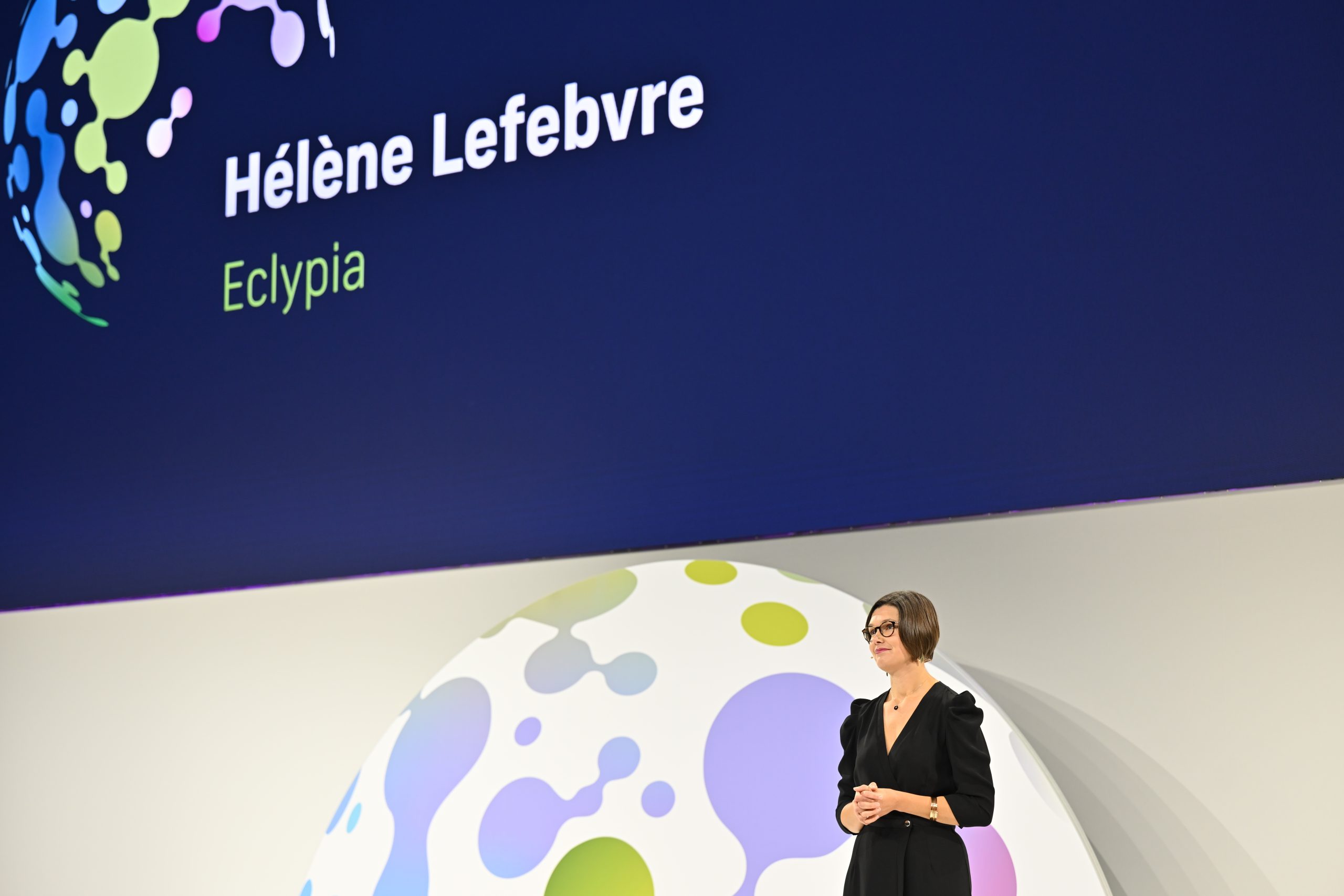
Eclypia (France): Eclypia is developing a unique non-invasive sensing platform targeting health and wellness. Its first product is a non-invasive Continuous Glucose Monitoring device built on outstanding new and disruptive photonics technologies.

Digital Diabetes

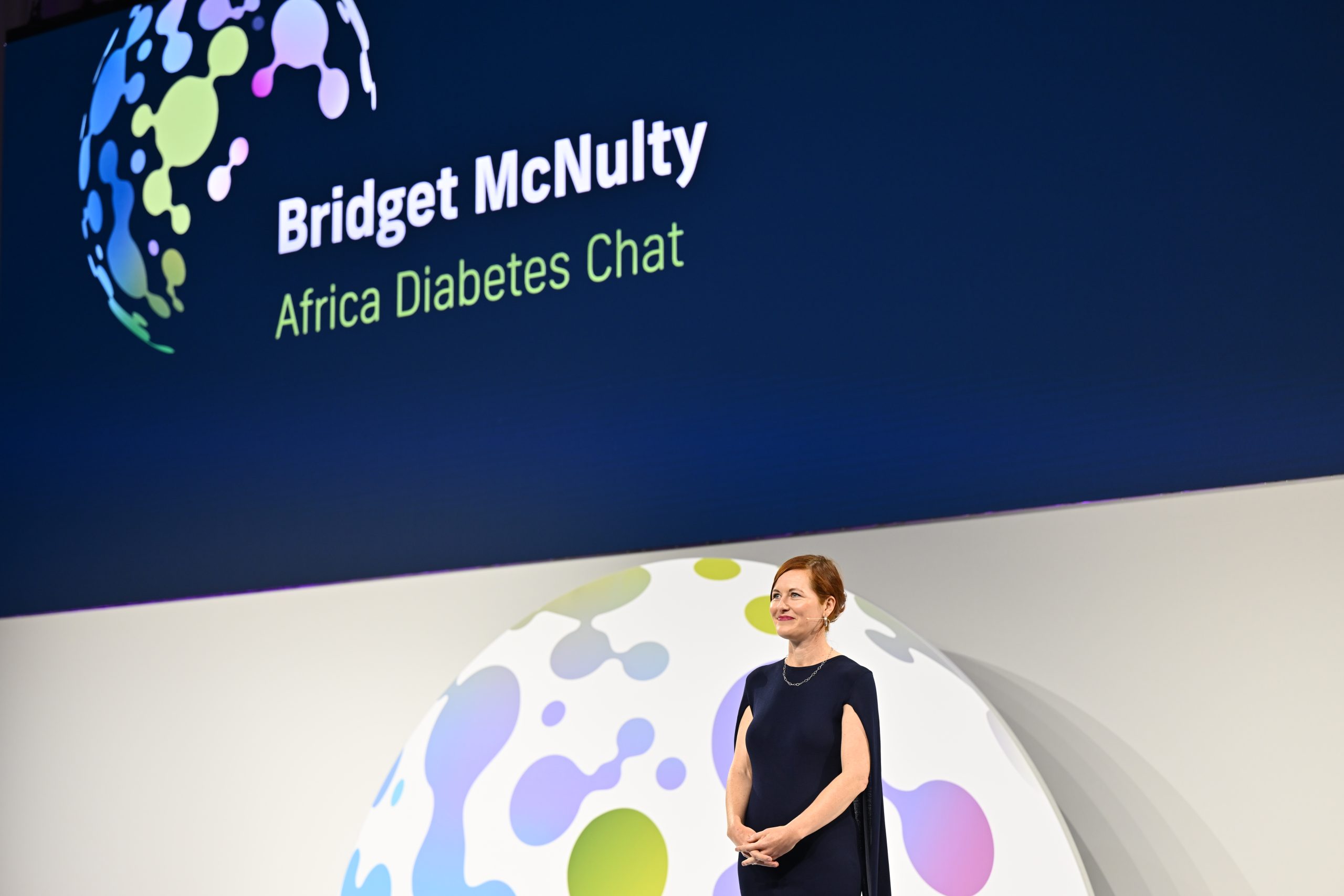
Africa Diabetes Chat (South Africa): Sweet Life has been creating easy-to-understand diabetes information for the community since it started in 2011, but over the past 3 years had a specific focus on testing out the most effective formats, language and languages (South Africa has 11 official languages). They are on a mission to solve diabetes education in South Africa and pave the way for it to be solved in all of Africa if the system is built in the right way. How? A WhatsApp chatbot.

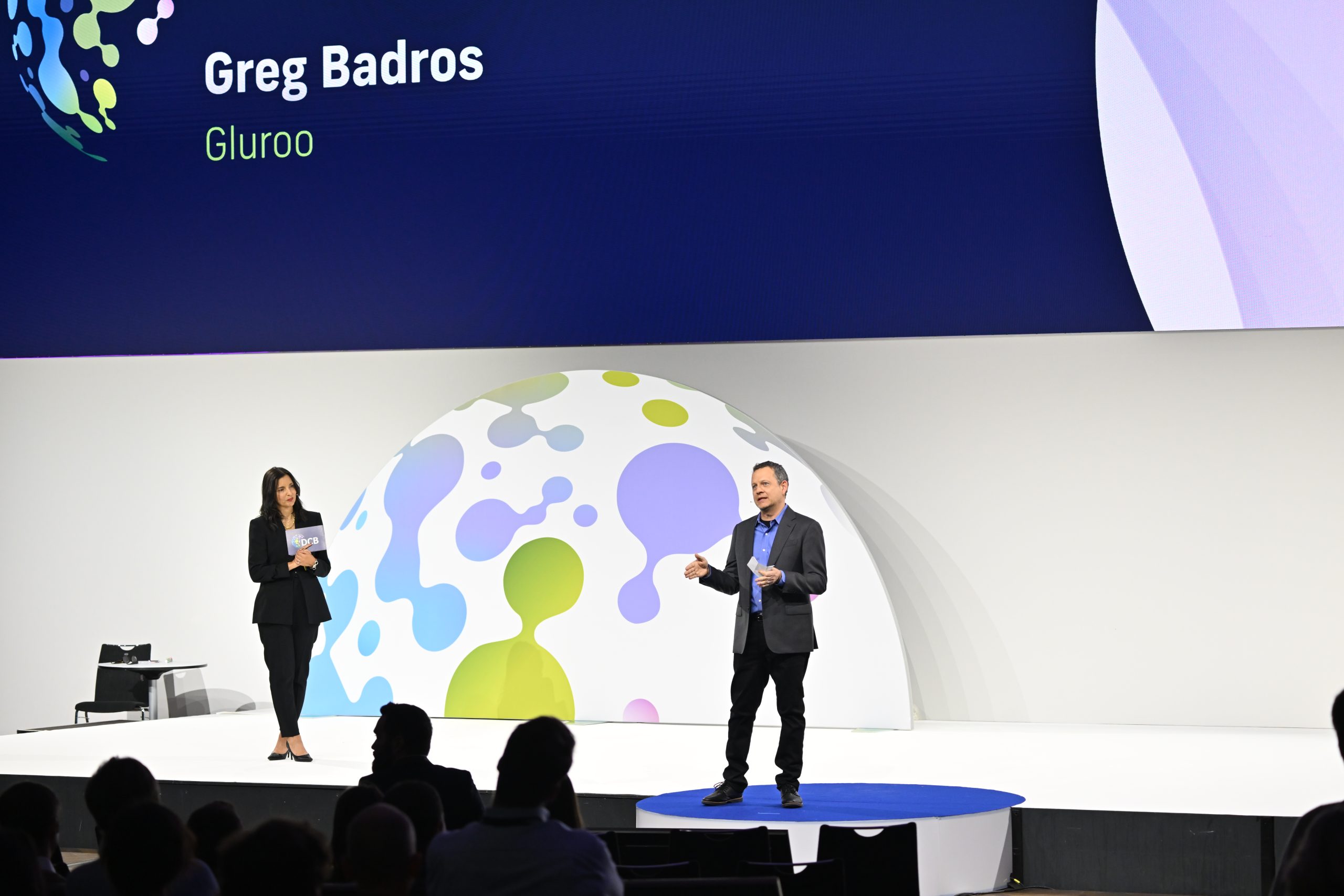
Gluroo (United States): Gluroo is a collaborative diabetes management app with a well-known usability: it’s a chat app! The messaging group is your GluCrew, and Gluroo provides high-quality integrations with CGMs and Pumps. Those integrations contribute to Gluroo’s diabetes Event Log – the GEL.  That GEL is shared and synchronized in real-time across all the devices so everyone can stay in sync, in real-time.

“We are especially proud of the engagement and growth of this year’s teams and we are looking forward to continuing the work with one common goal – to make life better for people with diabetes”, 

says Maren Schinz, DCB Innovation Manager and responsible for the Open Innovation Challenge 2023.

About the DCB Open Innovation Challenge

After the initial launch in 2021, the DCB Open Innovation Challenge took place for the third time this year. The aim of the Challenge is to promote innovative, international projects in the field of diabetes management. With a total prize money of 280.000 USD, the DCB Open Innovation Challenge is one of the world’s most generous international awards in the area of diabetes. Applications are open to start-ups, medical and research professionals, and individuals.

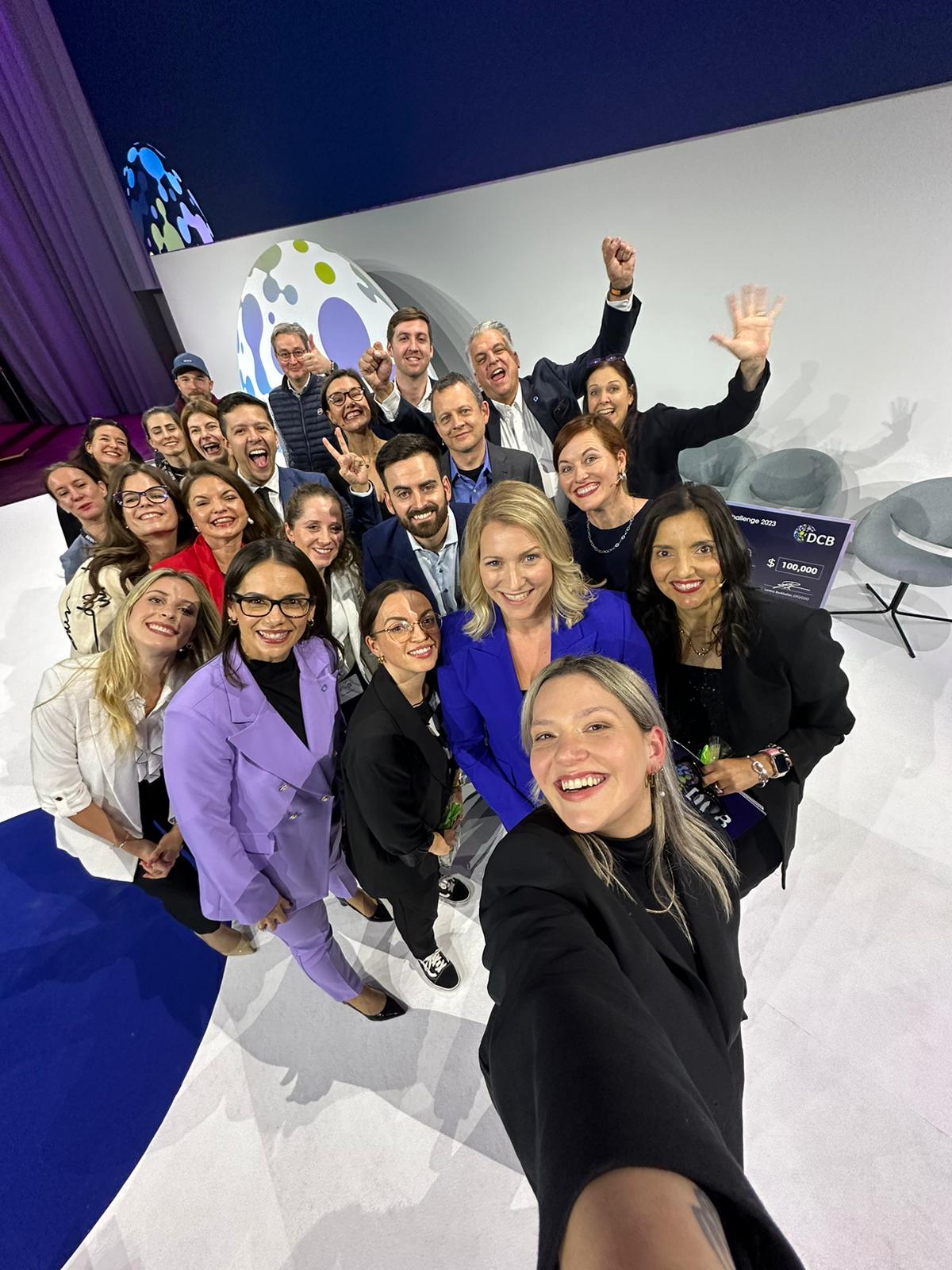
Jury, Start-Ups and DCB Organisers celebrating the wins

More recent news

TIMES Study | Take part now!

TIMES Study | Take part now!

The TIMES study is being conducted by the Diabetes Center Berne (DCB) and aims to gain a better understanding of type 1 diabetes (T1D) throughout the menstrual cycle.
This could ultimately improve the quality of life for women with T1D.

DT-Report 2026: Join now

DT-Report 2026: Join now

The survey for the DT Report 2026 is now available – Take part and help shape the future of diabetes technology with...

Sign up for our newsletter
to receive the latest news.

* Pflichtfelder
DSGVO *

DCB “Patient Leaders” Become “Lived Experience Panel”

DCB “Patient Leaders” Become “Lived Experience Panel”

DCB “Patient Leaders” Become “Lived Experience Panel”

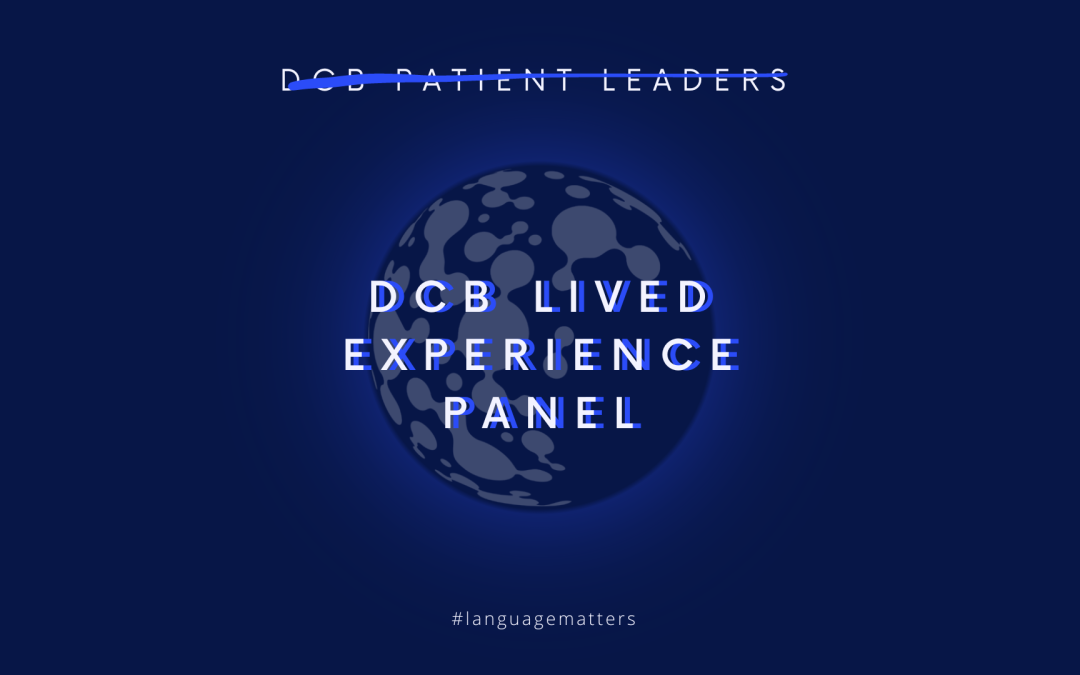
DCB highly values the community of people living with diabetes and their expertise from managing diabetes daily. Because they are much more than merely “patients”, the “Patient Leaders” have been renamed to “Lived Experience Panel”.

(Re-)Introducing the DCB Lived Experience Panel

At DCB, we deeply value the thriving community of individuals living with diabetes and their wealth of expertise gained from managing this condition daily. In 2021, we introduced the concept of “Patient Leaders” to serve as the global representatives of people living with diabetes, striving to bridge the gap between research, product innovation, and the invaluable experiences of our community members.

Aligned with the powerful #languagematters movement, which has gained momentum in recent years, DCB is dedicated to contributing to the destigmatization of diabetes and empowering individuals living with this condition to embrace their expertise.

Recognising the intricate and multifaceted knowledge within our community, we are proud to announce that our “Patient Leaders” will now be known as the “Lived Experience Panel.” This change is motivated by the belief that individuals living with diabetes embody more than just the term “patients.” The term “patient” can inadvertently imply a passive role within the healthcare realm, whereas in reality, individuals are the active agents in their own complex diabetes management.

DCB is delighted to have such a diverse and insightful community of lived experience experts. This shift in nomenclature aims to underline our commitment to acknowledging the expertise and agency of individuals within our community. We eagerly anticipate the journey ahead as we continue to work collectively towards making life better for those living with diabetes.

“The term ‘patient’ implies the person is a passive recipient of care, rather than an active agent in his or her own selfcare. Patients are people, and people are individuals, with their own preferences, priorities and lives beyond diabetes.”

– Language Matters Position Paper, Diabetes Australia

To learn more about the members of the DCB Lived Experience Panel, please visit our Community Page. If you yourself live with any type of diabetes and are interested in becoming a lived experience expert with DCB, please reach out with a short introduction to community@dcberne.com

TIMES Study | Take part now!

TIMES Study | Take part now!

The TIMES study is being conducted by the Diabetes Center Berne (DCB) and aims to gain a better understanding of type 1 diabetes (T1D) throughout the menstrual cycle.
This could ultimately improve the quality of life for women with T1D.

DT-Report 2026: Join now

DT-Report 2026: Join now

The survey for the DT Report 2026 is now available – Take part and help shape the future of diabetes technology with...

Sign up for our newsletter
to receive the latest news.

* Pflichtfelder
DSGVO *

DCB Research AG

Freiburgstrasse 3
3010 Bern
Schweiz

Maria Luisa Balmer Wins the Marie Heim-Vögtlin Prize

Maria Luisa Balmer Wins the Marie Heim-Vögtlin Prize

Maria Luisa Balmer Wins the Marie Heim-Vögtlin Prize

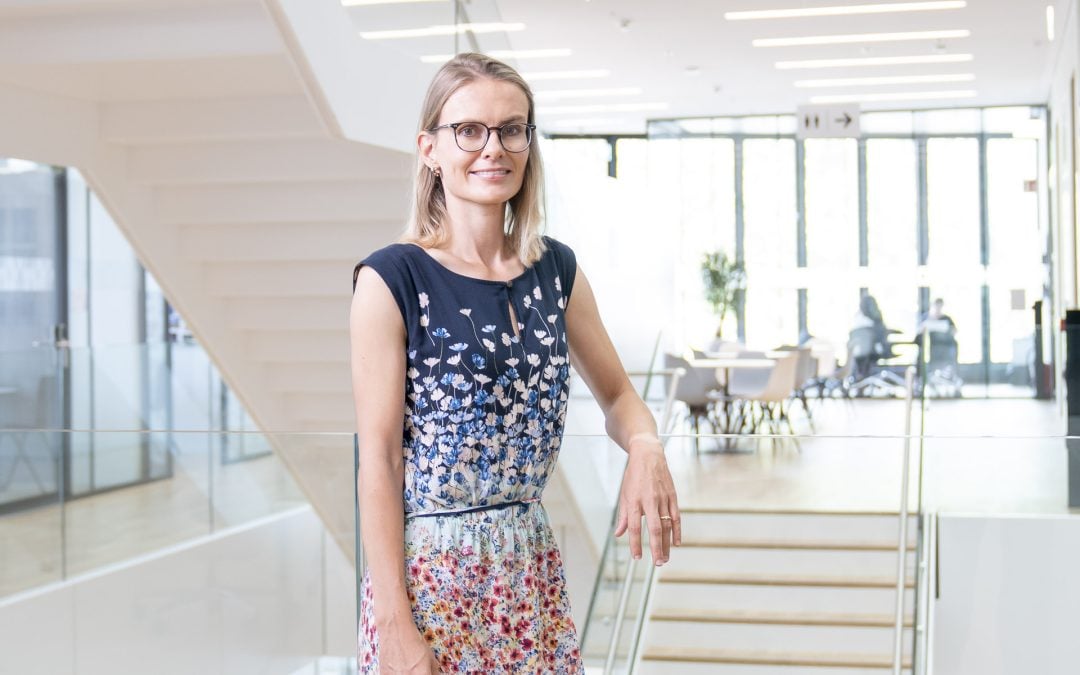
The winner of this year’s Marie Heim-Vögtlin Prize is Maria Luisa Balmer. The SNSF is awarding her the prize for her research into intestinal bacteria and their role in the development of diabetes and morbid obesity.

In Switzerland, approximately one child in six is overweight, and the number is increasing. This is concerning, given that being severely overweight increases the risk of cardiovascular disease, cancer and diabetes. “We have known for some time that intestinal flora play a key role in the development of obesity,” says Maria Luisa Balmer, a specialist in Internal Medicine at Inselspital and head of a research group at the University of Bern. But the links are complex. In her research, Balmer is investigating the interactions between intestinal bacteria, their metabolic products and the immune system (*1).

In recognition of her research work, she has been awarded the Marie Heim-Vögtlin Prize 2023 by the Swiss National Science Foundation (SNSF). The award ceremony will take place at the University of Bern on 21 November.

Maria Luisa Balmer (Photo: Sina Lou Ravasio)

Identified: Fattening Bacteria

It is already known that morbidly obese people generally have different intestinal flora from slim, healthy people. Certain types of bacteria proliferate very vigorously, suppressing others as they do so. But what does that mean? And is the change in intestinal flora a cause or consequence of obesity? One of the researcher’s approaches to investigating these questions involves germ-free mice, which the University of Bern breeds in a facility that is unique in the world. “We can use these animals to investigate what effect individual bacterial species have and elucidate cause and effect relationships,” Balmer explains.

Using this approach, her team was actually able to identify five bacterial species that increase the susceptibility of the mice to obesity. As a next step, the team intends to investigate how this comes about – for example, which bacterial metabolic products contribute to the fattening effect, and what impact they have on the immune system.

In a preceding study, Balmer had already demonstrated that the metabolic product acetate has a positive effect on immune cells (*2). By doing so, she illustrated the link between diet, intestinal flora and the immune system, because one of the conditions under which acetate is formed is when bacteria in the intestines metabolise dietary fibre of the type contained in vegetables or wholegrain products.

Promoting health with chewing gum

Balmer’s research group is currently investigating the effect of dietary fibre in more detail in a clinical study involving over 100 severely obese children. The team has developed a chewing gum that has been enriched with water-soluble dietary fibre. And the best thing about this completely new idea is that the children do not realise the “FibreGum” is medicine. Like normal chewing gum, it tastes of mint. It is intended to promote intestinal metabolism in children almost without them noticing and at the same time help them reduce snacking on other sweets. “Low-threshold treatments are particularly important for children,” says Balmer. She hopes the study will demonstrate whether the nutritional fibre consumed with the FibreGum does actually improve intestinal flora, and ultimately whether it helps the children lose weight more easily.

Career snapshots: “We need a change of ideas”

Maria Luisa Balmer’s research already won her an SNSF Eccellenza Professorial Fellowship in 2020. She says she regards winning the Marie Heim-Vögtlin Prize as a huge accolade. But she also sees the prize as an opportunity to gain visibility as a researcher who is a doctor and mother as well. “As far as that’s concerned, our whole society needs an urgent rethink,” she emphasises. “We need to update our traditional role models for group leaders at higher education institutions because the bar for couples with jobs is unrealistically high for both mothers and fathers. I feel it is important to demonstrate that you can have a family or hobbies that demand a lot of time and still conduct cutting-edge research and be successful if you have people around you to support you.”

(*1) J. Lötscher and M.L. Balmer: Sensing between reactions – how the metabolic microenvironment shapes immunity. Clin Exp Immunol (2019). doi: https://doi.org/10.1111/cei.13291.


(*2) M.L. Balmer et. al: Memory CD8+ T Cells Balance Pro- and Anti-inflammatory Activity by Reprogramming Cellular Acetate Handling at Sites of Infection. Cell Matabolism (2020). doi: https://doi.org/10.1016/j.cmet.2020.07.004.

Contact

Maria Luisa Balmer

Universitätsklinik für Diabetologie, Endokrinologie, Ernährungsmedizin & Metabolismus (UDEM)

Inselspital

Freiburgstrasse 15

CH-3010 Bern

Tel.: +41 31 632 96 40

E-Mail: maria.balmer@unibe.ch

Award for outstanding women researchers

The SNSF awards the Marie Heim-Vögtlin (MHV) Prize each year to an outstanding young woman researcher. Prizewinners are inspiring role models who produced remarkable results and significantly progressed their careers while benefiting from an SNSF grant. Since 2020, the prize has been awarded to former female grantees of the MHV, Doc.CH, Postdoc.Mobility, Ambizione and PRIMA funding schemes.

Marie Heim-Vögtlin, who gave her name to the award, became the first Swiss woman to study medicine when she was admitted to the University of Zurich’s medical faculty in 1868. On completing her studies, she opened a gynaecological practice where she continued to work after giving birth to two children. She is regarded as one of the pioneers in the struggle to give women access to higher education.

https://www.snf.ch

Links

Contact

Maria Luisa Balmer

Universitätsklinik für Diabetologie, Endokrinologie, Ernährungsmedizin & Metabolismus (UDEM)

Inselspital

Freiburgstrasse 15

CH-3010 Bern

Tel.: +41 31 632 96 40

E-Mail: maria.balmer@unibe.ch

Sign up for our newsletter
to receive the latest news.

* Pflichtfelder
DSGVO *

DCB Research AG

Freiburgstrasse 3
3010 Bern
Schweiz