

DCB Newsletter #3/26: DID YOU KNOW… why type 1 diabetes is rising and what projections to 2050 tell us?

DCB Newsletter #3/26: DID YOU KNOW… why type 1 diabetes is rising and what projections to 2050 tell us?

Dear Community,

We are happy to provide you with a new episode of our “DID YOU KNOW…” series – this time with a focus on the long‑term rise in type 1 diabetes incidence and what current projections tell us about the coming decades.

For much of the 20th century, type 1 diabetes (T1D) was regarded as a relatively stable autoimmune condition. That picture has changed.

Across North America and Europe, the number of children, adolescents and adults newly diagnosed with T1D has been increasing for decades and the COVID‑19 pandemic appears to have disrupted an already rising curve. With the latest IDF Diabetes Atlas (11th edition, 2025) and the Global Burden of Disease (GBD) 2021 projections to 2050, we now see a clearer, if sobering, outlook.

United States

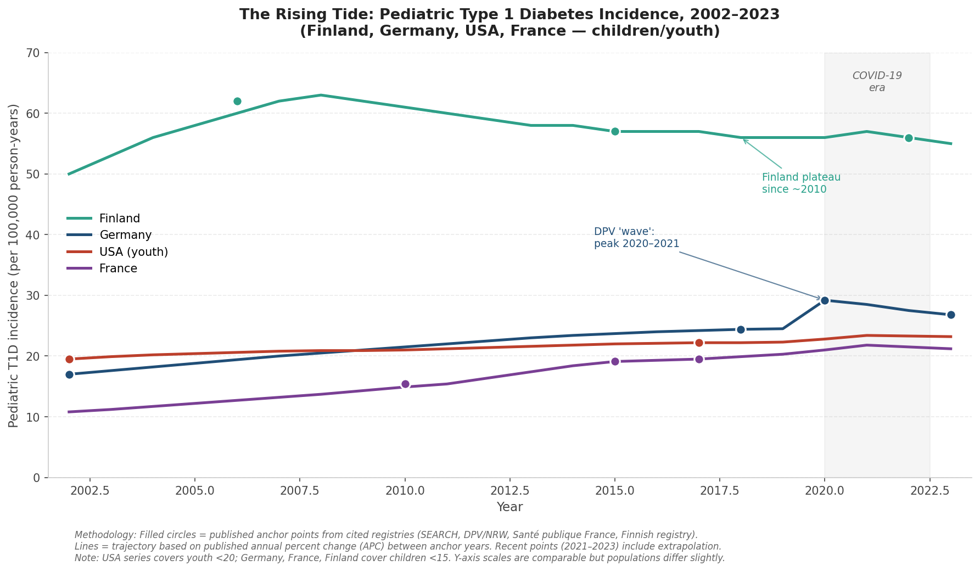
The SEARCH for Diabetes in Youth study remains the key source for paediatric incidence in the U.S. In 2017–2018, annual T1D incidence among people under 20 years reached 22.2 per 100,000, reflecting an average yearly increase of about 2% since 2002–2003. CDC estimates suggest that in 2025 around 1.7 million U.S. adults are living with T1D, together with roughly 304,000 youth under 20 – an increase in overall T1D prevalence of about 30% since 2017. The steepest relative increases have been observed among Hispanic and Black youth.

Adult trends are more mixed. One large longitudinal analysis from 2001–2015 found a slight decline in adult T1D incidence (−1.3% per year), while youth incidence continued to rise. This divergence hints that the precipitating factors for childhood‑onset and adult‑onset T1D may differ.

Germany and Austria

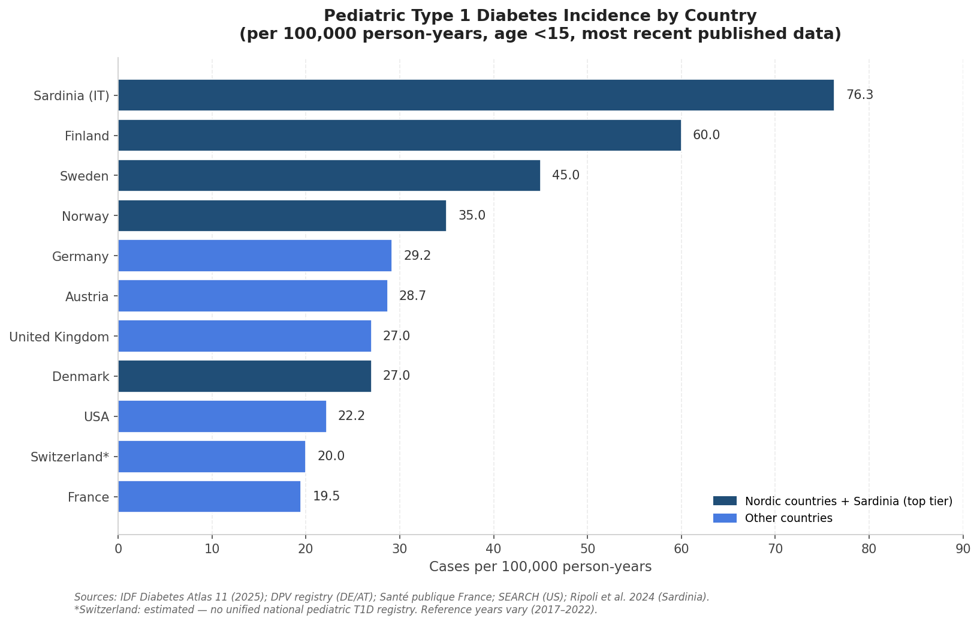
In Germany, the DPV registry and the North Rhine‑Westphalia (NRW) registry have followed T1D incidence in children under 15 since the 1990s. Over the 2010s, incidence rose by roughly 3–4% per year, with signs of a plateau just before the pandemic. COVID‑19 disrupted that plateau: DPV data show a wave‑like pattern of higher‑than‑expected incidence followed by partial reversion toward the mean between 2020 and 2023. In NRW, 2020 incidence reached about 29.2 per 100,000 person‑years – the highest level reported so far in Germany.

Austria offers one of the longest‑running nationwide paediatric T1D registries, active since 1989. Between 1989 and 2011, incidence in children under 15 increased with an annual percent change of +4.6%. From 2011 to 2020, the trend flattened – only to jump to a record 28.7 per 100,000 person‑years in 2021, closely paralleling the German experience. For the first time, paediatric type 2 diabetes incidence in Austria is also rising in a statistically significant way.

Switzerland

Switzerland does not yet have a single integrated national T1D registry, but health‑claims data and participation in DPV/DIVE allow robust estimates. Approximately 40,000 people are currently living with T1D in Switzerland. Historical analyses from the late 20th century documented an absolute incidence increase of 0.67 cases per 100,000 per year between 1965 and 1996 – a relative annual rise of about 3.4% – with a particularly steep climb among children under five. Recent Swiss data still point to an upward but moderate trend, consistent with patterns in Germany and Austria.

From a Swiss perspective, one conclusion is clear: establishing a fully integrated national paediatric and adult T1D registry remains an important unmet need for epidemiology, health‑system planning and research.

Scandinavia, France, and other high‑incidence countries

The Nordic region remains the global hotspot for childhood‑onset T1D. Finland has historically reported the highest incidence worldwide – around 60 per 100,000 children per year – although this rate appears to have stabilised or slightly declined since the early 2000s. Sweden, Norway and Denmark follow closely, and the IDF Diabetes Atlas 11 still places Finland, Sweden and Norway among the global top ten for published incidence.

A 2024 systematic review of European paediatric data (1994–2022) confirmed that the Nordic countries retain the highest absolute incidence in Europe, even as their rate of increase has slowed relative to the rapid rise in previously low‑incidence Central and Eastern European countries. A Swedish nationwide cohort study of 2.9 million children found that the heritability of childhood‑onset T1D has remained high and stable at around 0.83 over 30 years, implying that known environmental factors explain less than 10% of the observed rise.

In France, Santé publique France reports an annual T1D incidence increase of approximately 4%. Paediatric incidence rose from 15.4 to 19.1 per 100,000 person‑years between 2010 and 2015, with an overall rate of 19.5 per 100,000 in 2015–2017 and substantial regional variation. Sardinia (Italy) now reports the world’s highest published paediatric incidence at 76.3 per 100,000 (2022), having overtaken Finland, while the United Kingdom and Ireland also remain in the global top ten.
Projections to 2050

Two major modelling efforts suggest the same direction of travel. The GBD 2021 study projects that age‑standardised global type 1 diabetes prevalence will rise by about 23.9% between 2021 and 2050, a smaller relative increase than for type 2 diabetes, but a substantial absolute rise given the lifelong management burden of T1D. The IDF Diabetes Atlas 11 projects that overall adult diabetes prevalence (type 1 and type 2) will grow from 589 million in 2024 to around 853 million by 2050, a 46% absolute increase. While most of this growth is driven by type 2 diabetes, T1D contributes meaningfully through sustained or rising incidence in high‑income countries and improved survival, which increases prevalence even if incidence stabilises.

For the U.S., a modelling exercise based on SEARCH data suggests that, under a linear‑increase scenario, the number of young people with T1D could nearly triple by 2050, with the steepest relative growth among Hispanic and Black children.

Why is incidence rising?

T1D is a polygenic autoimmune disease in which environmental triggers act on a susceptible genetic background. Several, often overlapping, hypotheses are under investigation:

  • Reduced early‑life exposure to common infections (“hygiene hypothesis”), with mixed evidence.
  • Rising childhood adiposity and insulin resistance, which may accelerate the clinical presentation of existing islet autoimmunity (“accelerator hypothesis”).
  • Viral triggers such as enteroviruses and, more recently, SARS‑CoV‑2, where meta‑analyses report a 14–27% increase in paediatric T1D incidence during the pandemic.
  • Dietary and microbiome‑related factors, including early cow’s‑milk exposure, gluten timing and shifts in the infant gut microbiome.
  • Vitamin D status and latitude, endocrine‑disrupting chemicals, pollution and perinatal factors such as higher maternal age, higher birth weight and Caesarean delivery.

The Swedish cohort study mentioned above is a stark reminder of how much remains unexplained: even with population‑wide data on several environmental exposures, less than 10% of the rise in T1D incidence in Sweden could be attributed to known factors. This underscores the need for long‑term birth cohorts, population‑level islet‑autoantibody screening and mechanistic immunology.

Implications for the next decade

Three practical implications stand out for health systems, innovators and the diabetes community:

  • Health systems need to prepare for more people living with type 1 diabetes. Even under conservative assumptions, the number of people living with type 1 diabetes will continue to rise. This has practical consequences for insulin and sensor supply, reimbursement for diabetes technology, specialist care and clinical-trial infrastructure.
  • Early detection is becoming more relevant. Type 1 diabetes can often be detected before symptoms appear, through markers of early autoimmune activity. With the first therapy now approved to delay clinical onset in people at an early disease stage, screening is no longer only a research question. Programmes such as Fr1da in Germany and the D1Ce trial in Italy show how early identification could inform future intervention strategies.
  • We still need to understand why incidence is rising. Many environmental factors are being studied, but no single explanation is sufficient. Until we better understand the drivers behind the increase, true primary prevention will remain out of reach. This makes high-quality registries, long-term cohort studies and coordinated research more important than ever.

At DCB, we see these trends as both a warning and a call to action.

The rising incidence of type 1 diabetes will require sustained collaboration between clinicians, researchers, industry, policymakers and crucially people living with diabetes and their families.

Our work in innovation, clinical research infrastructure and community engagement aims to contribute to that collective effort.

    Selected sources

    GBD 2021 Diabetes Collaborators. Global, regional, and national burden of diabetes from 1990 to 2021, with projections of prevalence to 2050. The Lancet, 2023. https://www.thelancet.com/article/S0140-6736(23)01301-6/fulltext

    International Diabetes Federation. IDF Diabetes Atlas, 11th edition. 2025. https://diabetesatlas.org/

    Ogle GD, et al. Global type 1 diabetes prevalence, incidence, and mortality estimates 2025: Results from the IDF Atlas 11 and the T1D Index v3.0. Diabetes Research and Clinical Practice, 2025. https://www.sciencedirect.com/science/article/pii/S0168822725002918

    Stahl-Pehe A, et al. Wave in Pediatric Type 1 Diabetes Incidence After the Emergence of COVID-19: Peak and Trough Patterns in German Youth — DPV Registry. Diabetes Care, 2025. https://diabetesjournals.org/care/article/48/4/e47/157803/

    Buchmann M, et al. Type 1 diabetes incidence curves differ by age for girls and boys between 1996 and 2022: Results from the North Rhine-Westphalia Diabetes Registry. Diabetes Research and Clinical Practice, 2025. https://www.sciencedirect.com/science/article/pii/S0168822725000105

    Nagl K, et al. Ongoing Increase in Incidence of Diabetes in Austrian Children and Adolescents 1989–2021. Pediatric Diabetes, 2023. https://www.ncbi.nlm.nih.gov/pmc/articles/PMC12017070/

    Schoenle EJ, et al. Epidemiology of Type I diabetes mellitus in Switzerland: Steep rise in incidence in under-5 year old children in the past decade. Diabetologia, 2001. https://www.researchgate.net/publication/12017578

    Santé publique France. Diabetes — Data. Updated 2024. https://www.santepubliquefrance.fr/en/diabete/data

    Piffaretti C, et al. Trends in childhood type 1 diabetes incidence in France, 2010–2015. Diabetes Research and Clinical Practice, 2018. https://www.sciencedirect.com/science/article/abs/pii/S0168822718304662

    Ruiz-Grao MC, et al. Trends in the Incidence of Type 1 Diabetes in European Children and Adolescents from 1994 to 2022: A Systematic Review and Meta-Analysis. Pediatric Diabetes, 2024. https://onlinelibrary.wiley.com/doi/10.1155/2024/2338922

    Ji J, et al. Stable heritability of type 1 diabetes in a Swedish Nationwide Cohort Study. Nature Communications, 2024. https://www.ncbi.nlm.nih.gov/pmc/articles/PMC12174315/

    D’Souza D, et al. Incidence of Diabetes in Children and Adolescents During the COVID-19 Pandemic: A Systematic Review and Meta-Analysis. JAMA Network Open, 2023. https://www.ncbi.nlm.nih.gov/pmc/articles/PMC10314307/

    Quinn LM, et al. Environmental Determinants of Type 1 Diabetes: From Association to Proving Causality. Frontiers in Immunology, 2021. https://www.ncbi.nlm.nih.gov/pmc/articles/PMC8518604/

    Esposito S, et al. Changes in the Global Epidemiology of Type 1 Diabetes in an Evolving Landscape of Environmental Factors. International Journal of Molecular Sciences, 2023. https://www.ncbi.nlm.nih.gov/pmc/articles/PMC10141720/

    Rogers MAM, et al. Fluctuations in the incidence of type 1 diabetes in the United States from 2001 to 2015: a longitudinal study. BMC Medicine, 2017. https://www.ncbi.nlm.nih.gov/pmc/articles/PMC5688827/

    Imperatore G, et al. Projections of Type 1 and Type 2 Diabetes Burden in the U.S. Population Aged <20 Years Through 2050. Diabetes Care, 2012. https://pmc.ncbi.nlm.nih.gov/articles/PMC3507562/


    We hope this overview is helpful for your own work in diabetes care, research or advocacy. As always, we are grateful for your interest in and support of our activities and we look forward to continuing this conversation with you in future editions of our “DID YOU KNOW…” series.


    An earlier version of this article was originally published in the private newsletter of our CEO, Derek Brandt here: Diabetes Technology News.

    This post was previously published in Linkedin. Click here to see the original publication.

    Sign up for our newsletter
    to receive the latest news.

    * Pflichtfelder
    DSGVO *

    DCB Research AG

    Freiburgstrasse 3
    3010 Bern
    Schweiz

    DCB Newsletter #2/26: IT’S A WRAP! A Recap of The Insulin Insight Conference 2026

    DCB Newsletter #2/26: IT’S A WRAP! A Recap of The Insulin Insight Conference 2026

    Dear Community,

    The Insulin Insight Conference 2026 recently took place at sitem-insel AG in Bern. It brought together leading minds across the insulin ecosystem to explore pioneering science, clinical practice, and real-world challenges. Some of you could not join us, unfortunately. But no worries, we got you covered! The ultimate, unmissable roundup can be found below.

    “We organized the Insulin Insight Conference to give insulin the visibility and place it deserves.”
    – Maren Schinz, Beyond Diagnostics

    The Biology of Insulin: Basics & Breakthroughs

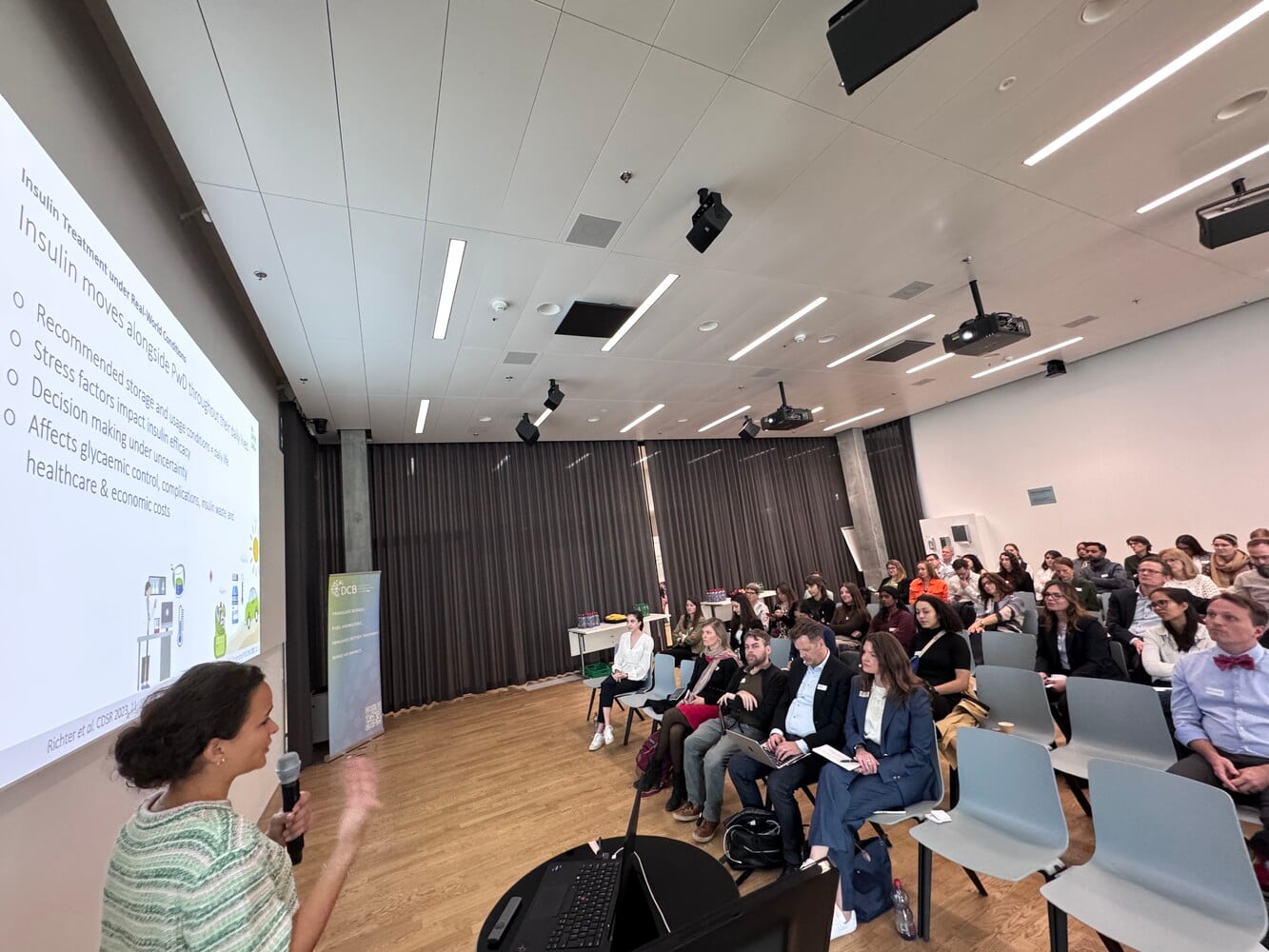
    José Garcia-Tirado, University of Bern and DCB, opened the conference by highlighting that real-world glycemic outcomes often fall short of targets, persistently across age groups, diabetes duration, and treatment types. Adjunctive therapies to insulin could help to achieve full metabolic control. The AID-JUNCT study, led by José and his team, is exploring this very topic: Improving glycemic control in PwT1D on adjuvant GIP/GLP-1RA alongside AIDs. For more details, contact AID-Junct@spital.so.ch

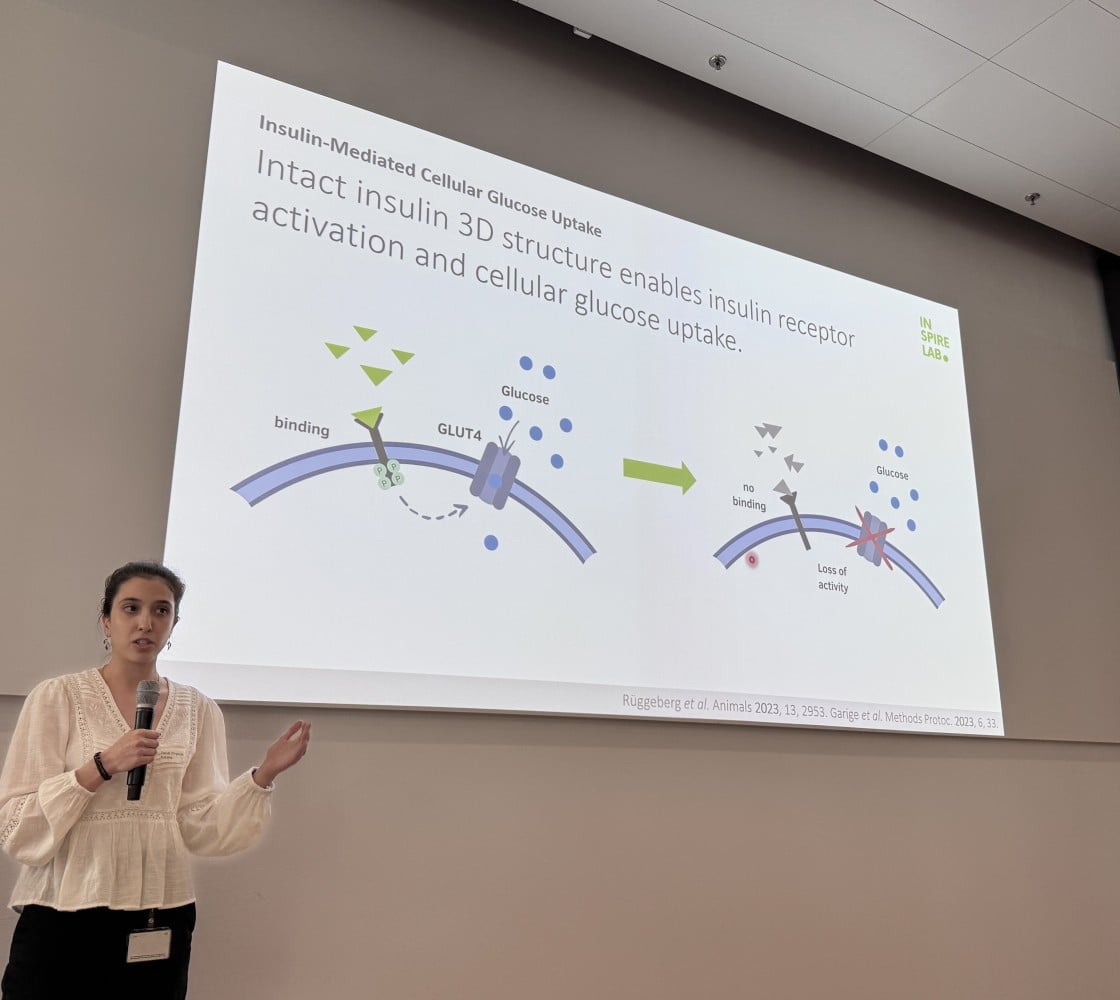
    The INSPIRE Lab at DCB, Stefanie Dobitz and Danai C. Kokona, explored how real-world conditions impact the biological activity of insulin. Using cell and in vivo studies, the team was able to show how temperature and mechanical stress effect the ability of insulin to lower blood glucose levels. A sneak peak into preliminary results from anonymized, donated real-world insulin samples confirmed the negative impact of environmental stress.

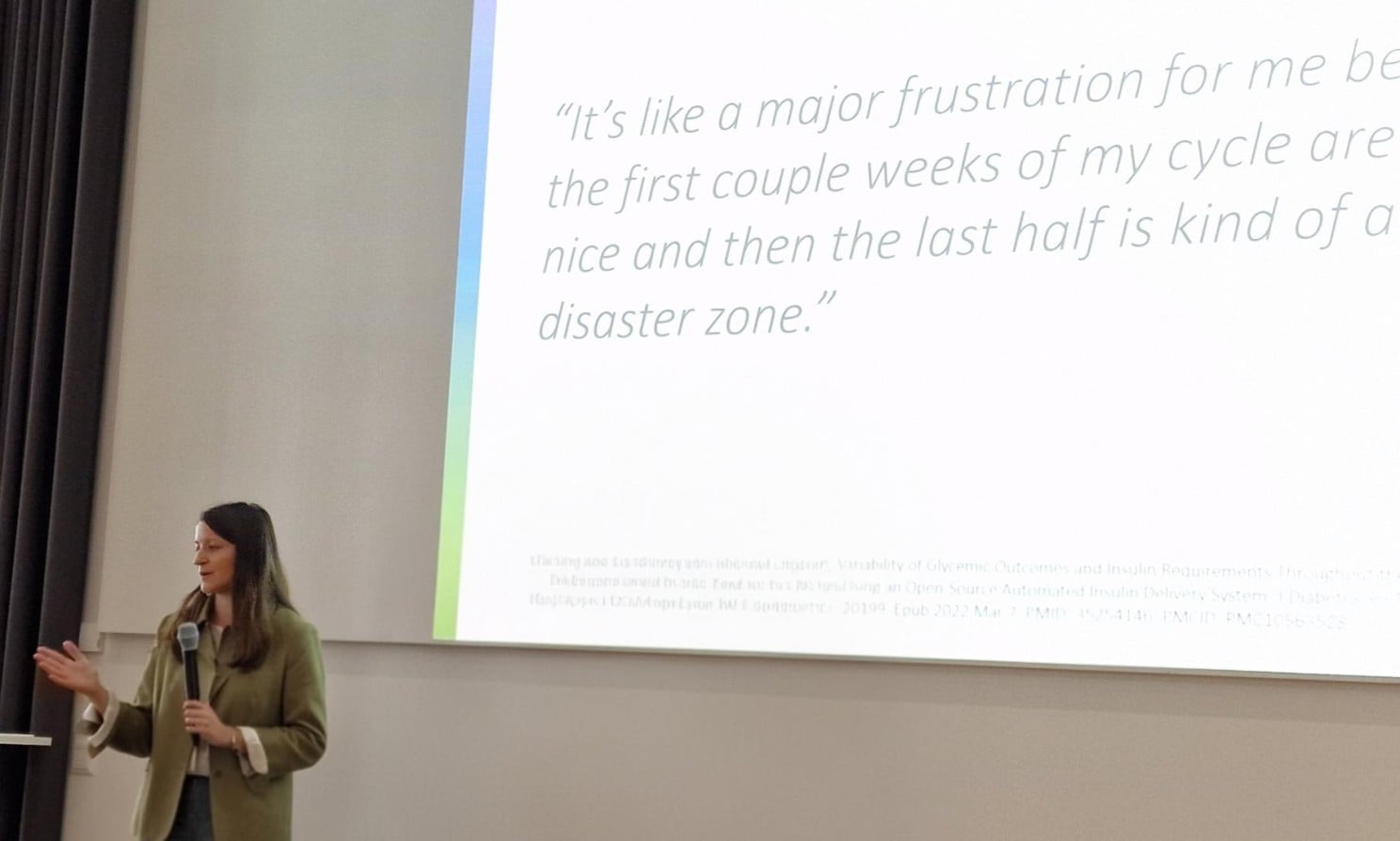
    The conference`s biology of insulin session concluded with Martina Rothenbühler, DCB, who discussed how premenopausal women with T1D often experience changes in blood glucose levels related to their menstrual cycle. These natural hormone fluctuations can complicate diabetes management, as current AID systems do not account for them. The TIMES study, conducted by DCB, aims to provide scientific insights into how insulin needs and blood glucose levels evolve during the menstrual cycle. For more details, contact times@dcberne.com

    The Real-World Perspective

    After lunch, James Elliott from VIA Diabetes energized the audience with a powerful reminder: Insulin is still out of reach for many and still too expensive for many more, leaving PwD to die needlessly. The insulin crisis is undeniably complex, but VIA Diabetes is taking action. Their approach? Putting PwD at the heart of decision-making and amplifying diabetes awareness across all relevant sectors and stakeholders. By ensuring those directly affected have a seat at the table, they pursue real, impactful change.

    Jessica Zafra Tanaka, University of Geneva, engaged with the audience to take a systems view on insulin access. Systems are complex and range from research, development, and manufacturing of a medication all the way to its prescription and use. Jessica highlighted the struggles of global insulin access due to multiple barriers at global and national level. To encourage: acciss, the NCD Policy Lab, and the T1D Commission all work on addressing specific challenges – From documenting global barriers to insulin access, to pooled procurement and regulations, all the way to delivery of care and social aspects.

    “The future is now.”

    Christa Cepuch, Brigham and Women`s Hospital

    Christa Cepuch from Brigham and Women’s Hospital shared a powerful message: innovation and access must work together. Today, standards of care vary significantly between countries and strongly depend on locally available resources. While progress is being made, we must ask: How can we create lasting, systemic change? The future of diabetes care is about fairness. Global impact must be a priority from the very beginning of research and development, not an afterthought.

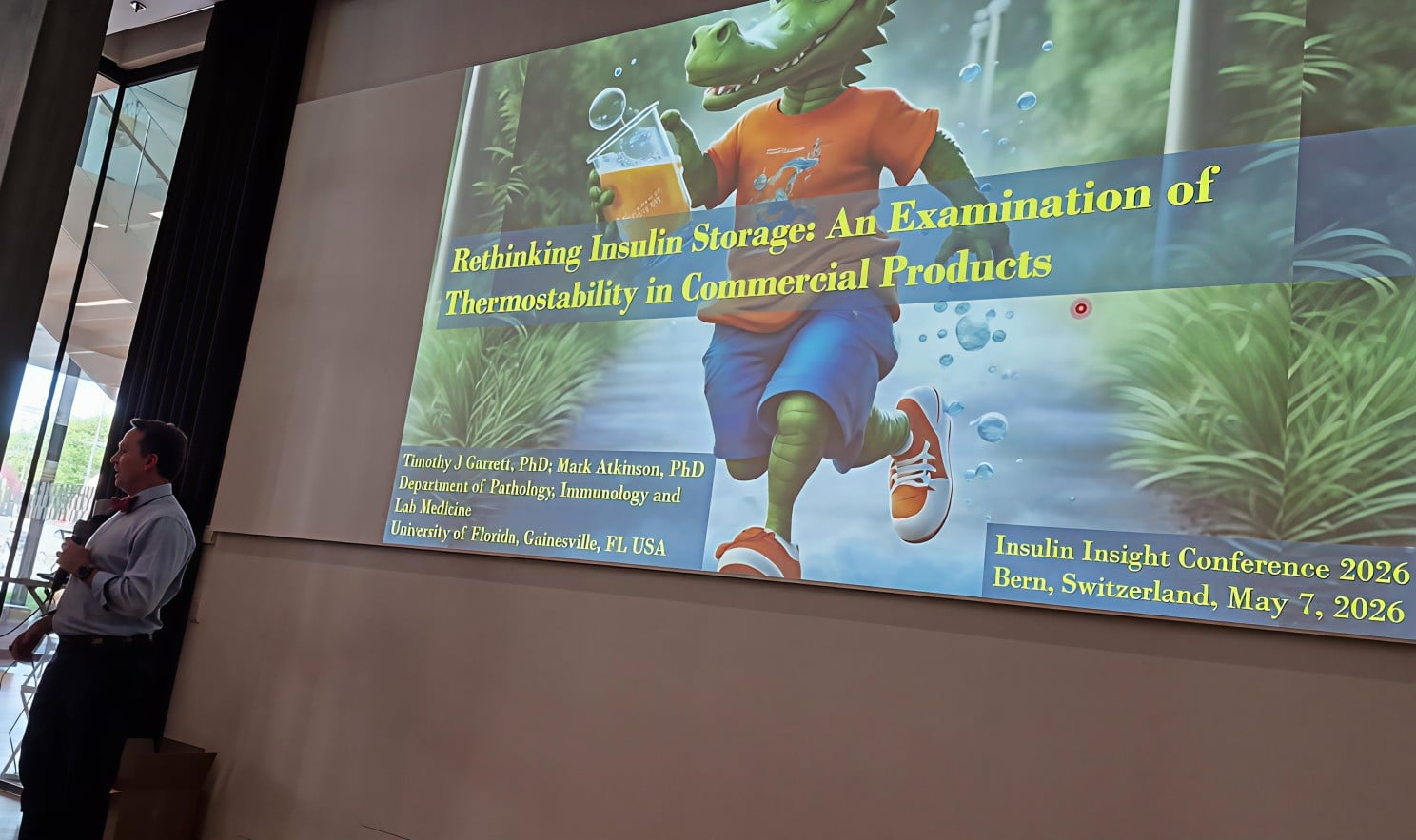
    This session wrapped up with a presentation from Timothy J. Garrett, University of Florida, who challenged us to rethink how we store insulin. Potency tells us how much insulin is in your pen or vial, while bioidentity shows how effectively it lowers blood glucose (i.e. its efficacy). The good news? Insulin – Whether mailed from US pharmacies, stored in clay pots, or even briefly exposed to high temperatures – keeps its potency. The catch: We measure potency, not bioidentity. Without testing how well insulin actually works in the body, we might be missing a critical piece of the puzzle.

    The Future

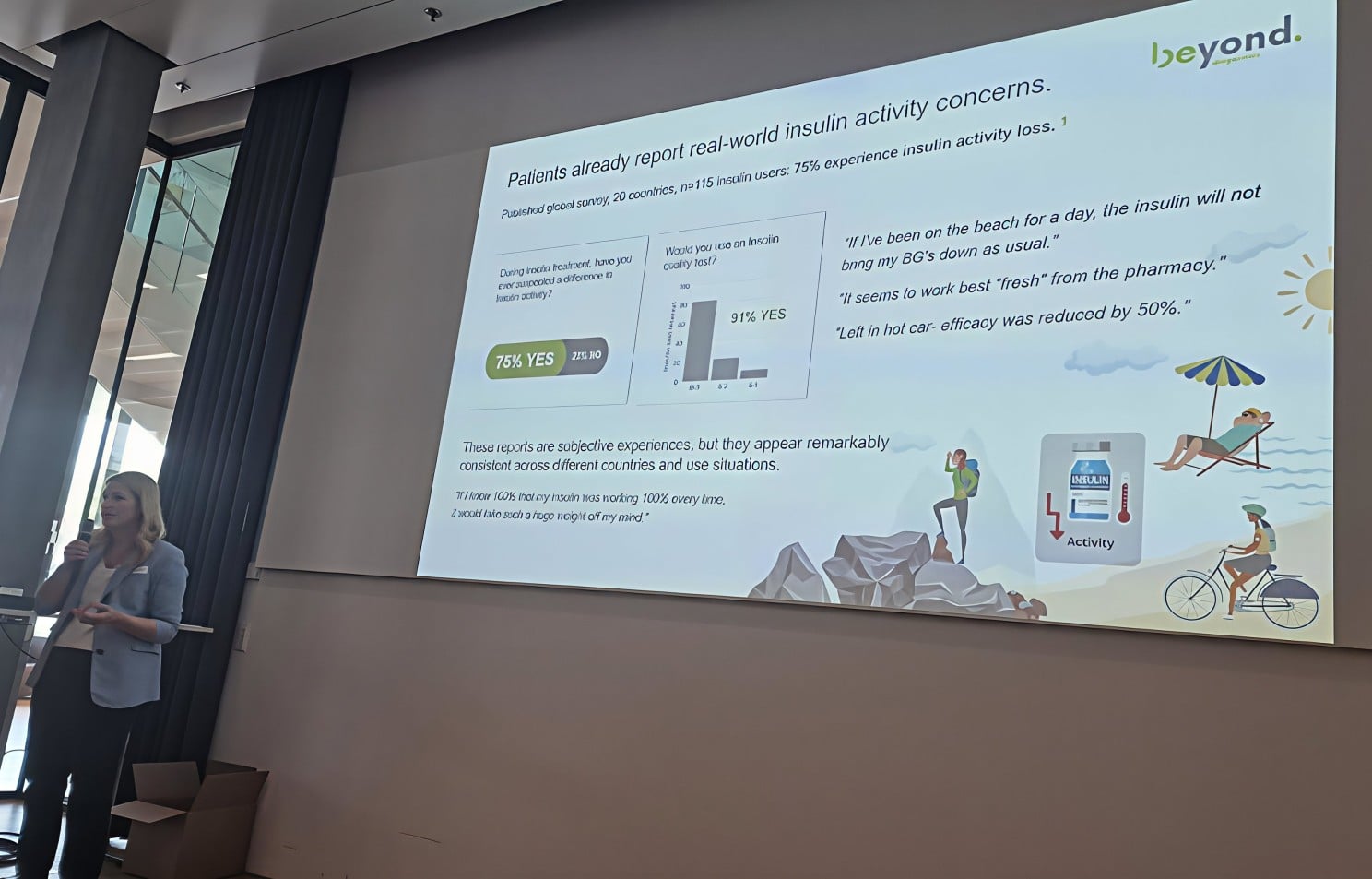
    After a re-energizing coffee break Maren Schinz from Beyond Diagnostics presented LUMIQ: A test to determine insulin efficacy at the point of care. Current solution such as temperature sensors or cooling pouches allow to monitor and maintain the temperature of insulin. However, temperature does not equal efficacy. Using LUMIQ, it is possible to determine how effective your insulin medication is in real-time, reducing treatment uncertainty – Is my medication working properly? – and improving clinical outcomes.

    Last but for sure not least Ulrike Menkes from Alva Innovations highlighted the dual role of insulin preservatives. While preservatives support insulin formulation stability, they also act as potential inflammation promoters compromising insulin delivery. With their In Line Just-In-Time Insulin Infusion Filter, Alva Innovations prolongs the lifespan of pump sets and helps maintain healthy skin.

    “If you do an innovation, you accept challenges, and you need to be bold.”

    Ulrike Menkes, Alva Innovations

    Looking Forward

    At the networking reception everyone agreed: The Insulin Insight Conference 2026 was a huge success! Inspiring talks, a diverse audience, and a collaborative atmosphere made this day one to remember. Fresh scientific insights, practical knowledge, and a cross-disciplinary dialogue-built connections to shape the future of insulin management, reinforcing its essential role in diabetes care.

    Let’s keep the conversation going! Share your biggest takeaway, a challenge you’re facing, or a wish for the future in the comments below. How can we turn these insights into action? What should we explore next? Looking to collaborate? Reach out to us, contact maren.schinz@dcberne.com and stefanie.dobitz@dcberne.com.

      This post was previously published in Linkedin. Click here to see the original publication.

      Sign up for our newsletter
      to receive the latest news.

      * Pflichtfelder
      DSGVO *

      DCB Research AG

      Freiburgstrasse 3
      3010 Bern
      Schweiz

      DCB Newsletter #5/25: INSIDE DCB – Our Milestones in 2025

      DCB Newsletter #5/25: INSIDE DCB – Our Milestones in 2025

      Dear DCB community,

      As we approach the end of this year, we want to take the opportunity to look back on our team’s achievements in 2025, the eighth year of the existence of DCB.

      So much has been going on! But see for yourself:

      Operations

      👥 Inside DCB: We are expanding our academic footprint. In addition to multiple publications, we are now home to two PhD students at the DCB. To position ourselves for the future, we have been working on our strategy and goals 2031.

      Fully certified: We further developed our Management System according to ISO 9001 and passed the SQS recertification audit with flying colours.

      ⛑️ Safety first: Several studies have been successfully initiated and conducted at the facility. There were no safety-related incidents.

      Innovation & Business Development

      🌐 Global Impact: Our team evaluated a great variety of ideas, proposals, and applications, propelling the global innovation ecosystem forward. We identified and supported several dozen projects and startups, providing them with unparalleled expertise, access to our extensive network, cutting-edge facilities, and crucial funding.

      🏆 DCB Open Innovation Challenge 2025: Incredible 54 ideas were submitted to the DCB Open Innovation Challenge this year. Five finalists from various countries pitched their innovations live on stage at sitem-insel in front of a big audience and an international jury. This year’s winner, the U.S.-based start-up Alva Innovations, convinced the jury with its pioneering real-time filtration system for insulin pumps, designed to prevent infusion-set occlusions and improve therapy safety for people living with diabetes.

      Their technology has the potential to significantly enhance the reliability of insulin delivery systems and reduce treatment disruptions addressing one of the most frequent challenges in insulin pump therapy today. For the first time, the DCB expanded the traditional Start-Up Night into a full Day of Innovation, held on 5 November 2025 at the sitem-insel in Bern. The event brought together leaders from healthcare, academia, medtech, industry, and policy to explore future-driven solutions in medicine and health technology.

      The programme of the Day of Innovation featured:

      • Start-up pitches from the Top 5 finalists (Alva Innovations, Neuraura, SynchNeuro, Diawiser, MEMS MicroPump Module)
      • Keynotes and insights from research, translational medicine, and industry translational research at DCB, sitem-insel, CSEM)
      • Showcases demonstrating real-world impact and successful commercialization (T1D1, SNAQ, Piomic, MYNERVA, GO-Pen, Alveolix)
      • Perspectives from policy (Christoph Ammann) and medical ethics (Prof. Giovanni Maio) on advancing innovation and artificial intelligence in healthcare
      • Networking sessions connecting innovators, investors, clinicians, and partners


      About the winner: Alva Innovations

      Alva Innovations aims to enhance the safety and efficiency of insulin pump therapy by integrating advanced micro-filtration directly into the infusion set. By reducing the risk of occlusions, the solution could lower therapy interruptions, prevent glycemic instability, and ease the daily burden of diabetes management. More about Alva Innovations: https://www.alva-innovations.com/

      ➡️ Looking ahead: DCB will continue to support the finalist teams beyond the Challenge with access to expert guidance, clinical expertise, and strategic support.

      🚀 Tailored Workshops for start-ups: Multiple workshops were organized for various start-ups, covering different key topics. They ranged from a few hours virtually to multiple days in person. The workshops addressed everything from clinical insights, data management, project management, communication, to branding. A key point noticed was that investor decks were often too detailed and overloaded with content. Top tip: Investors typically spend only 2.5 to 3 minutes reading them!

      📊 DT-report: Together with diabetesschweiz, the Swiss Society for Endocrinology and Diabetology (SGED | SSED), and partners in Germany and Austria, we are conducting a representative survey on the topic of diabetes technology for the 2026 Diabetes Technology-Report. The project team managed to onboard additional countries: Poland, Italy, Spain and Slovenia. This makes this report even more relevant, as more voices of people with diabetes are being heard, allowing research, industry, and policymakers to work together toward even better care.

      🎉 DCB spin-off Beyond Diagnostics receives Innosuisse grant: Dr. Maren Schinz has secured an innovation grant from Innosuisse to advance her research on insulin inactivity with Beyond Diagnostics, a DCB spin-off. Congratulations!

      👥 Conferences: EASD conference, hosted the Innovation Zone in Vienna and brought almost 20 start-ups who had the chance to present their ideas to the audience. Our booth was well visited, and we were happy with the results.

      The DCB Foundation aims to gain greater visibility in the future and, with a stronger presence, attract even broader support. As part of this initiative, we were delighted to welcome our donor and around 20 members of his close circle to the DCB in November. During an exclusive behind-the-scenes showcase, the DCB team and our four DCB professors brought their translational research to life, offering an engaging glimpse into our vision and the mission of the DCB Foundation.

      Communications

      👋 Growing our community: We’ve reached almost 6000 followers on LinkedIn and almost 900 followers on Instagram in 2025. We’re so excited our community is ever-growing and appreciate every single one of you, joining us on our journey of making life better for people with diabetes!

      🔍 Visibility boost: In April, DCB joined the Focus Day at BEA in Bern, an event highlighting the latest in healthcare innovation. It was a great opportunity to showcase how Diabetes Center Berne is advancing projects that turn research into practical solutions for improving diabetes care.

      💻 Website updates: Our website is again enriched with additional content in various sections like our research focus areas and publications. We want to thank HYVE – the innovation company for the valued and long-lasting collaboration!

      🗣️ Valuing Lived Experience: People living with diabetes are at the core of all that we do at DCB. We are so grateful for our continually growing community of Lived Experience Experts – currently 20 people in 14 different countries all over the world!

      Clinical & Data

      🩸 Menstrual cycle project: We are about to publish the results of the menstrual cycle project which was conducted in close collaboration with Tidepool. The aim of this research project was to collect data on diabetes management among menstruating people living with type 1 diabetes to evaluate changes in insulin sensitivity across the menstrual cycle. We have received data from 380 cycles of 77 women and look forward to presenting the first results soon. This retrospective study was the first study at the intersection of type 1 diabetes and women’s health.

      💜Focus groups women and AID: We conducted a qualitative study involving interviews with 37 women living with type 1 diabetes and using an AID to manager their diabetes to explore their experiences managing diabetes in relation to the menstrual cycle. Participants were asked about the challenges they encountered and the strategies they used to address cycle-related changes in insulin requirements. All interviews were audio-recorded, transcribed, and systematically analyzed to identify the primary management strategies and overarching themes shared across participants.

      📊TIMES study: We successfully secured funding for an international decentralized study about the influence of the menstrual cycle on type 1 diabetes management. In total 350 women across five countries (Switzerland, Germany, Denmark, UK and US) will participate in the study for six months. The first study participants have been recruited in Switzerland. This study is a follow-up of two other previous studies on the same topic.

      🔎Clinical Study FibreGum: Under the supervision of our assistant professor Maria Luisa Balmer, the FibreGum study, conducted at the Children Clinic Berne and the Eastern Swiss Children’s Hospital in St. Gallen, is assessing the effect of an additive in a chewing gum on body weight loss. So far,93 adolescents and young adults have been enrolled. An interim analysis will be performed at the end of this year to evaluate data integrity, variability, and preliminary effect sizes.

      🔎Clinical Study FaibaGo: Under the supervision of our assistant professor Maria Luisa Balmer this clinical study is testing a fibre-rich chewing gum that aims to support people with overweight in achieving sustainable weight loss and improved metabolic health. It is the counterpart to the FibreGum study conducted in adult population. More than 30 general practitioners (GP) in the Bern area are already involved, helping to recruit suitable participants despite their busy schedules. The study began mid-October and, within two months 15 participants, out of a planned total of 120, have already been enrolled.

      🔎Clinical Study AID-JUNCT: Under the supervision of our assistant professor José Garcia Tirado, the AID-JUNCT is evaluating the efficacy of tirzepatide (Mounjaro®) as adjunctive therapy to automated insulin delivery on percent time in range. It has been running for one year at the Cantonal Hospital in Olten. Two additional study sites, Cantonal Hospital in Lucerne and DiaCenTRE Geneva, were added this year. 16 participants, out of a planned total of 42, have been enrolled.

      🔎 Clinical Study UBLoop regulatory approval obtained: Assistant professor José Garcia Tirado will conduct the UBLoop study at the facilities of the DCB. This is a first in human study, testing the feasibility of a new closed loop system in six participants.

      ✅ Evo Study conduct completed (Study Sponsor: BODYSense SAS): The study does examine associations between glycaemic states such as stable, increasing, and decreasing blood glucose, and the VOC (volatile organic compound) spectra in the breath measured with a Gas Chromatograph-Ion Mobility Spectrometer (GC-IMS) device as a reference and a portable device prototype to measure VOCs. The device prototype has been developed by BODYSense with the purpose to allow blood glucose monitoring through non-invasive breath analyses. The study has been completed and we are now waiting for the results to be published.

      👥 Study conduct network extension: The Eastern Swiss children’s hospital in St. Gallen, the Cantonal Hospital in Olten and the Division of Endocrinology and Diabetology of the Medical University of Graz (Austria) are now qualified as study sites and are allowed to conduct studies under our support/responsibility.

      📖 Contribution to publications: The publication led by Prof. Lilian Witthauer titled “Toward Detection of Nocturnal Hypoglycemia in People with Diabetes Using Consumer-Grade Smartwatches and a Machine Learning Approach” was featured in the Journal of Diabetes Science and Technology.

      A preprint authored by Liom titled “A Prospective Pilot Study Demonstrating Non-Invasive Calibration-Free Glucose Measurement” was published on medRxiv.

      DCB also featured numerous abstracts presented at major diabetes conferences, including ADA, EASD and ATTD.

      📊 Electronic Data Capture System: REDCap® has undergone significant upgrades and enhancements through the integration of external modules and services. These improvements ensure the platform continues to provide a secure environment, uphold strict quality control standards, and offer user-friendly interfaces.  The e-consent module, which allows to obtain informed consent electronically, has been implemented earlier this year and is currently being used in several decentralized clinical trials.

      🔬 INSPIRE LAB

      Within the INSPIRE Lab we explore how real-world conditions impact the biological activity of insulin – its ability to lower blood glucose levels – providing insights onto this hidden factor in diabetes management.

      Currently, most methods measure how much insulin is present, but not whether it is still active.

      Our DCB spin-off Beyond Diagnostics addresses this critical diabetes care gap by developing an AI-powered point-of-care test that verifies insulin medication quality. In addition to the financial support by Innosuisse, we won STAGE UP, were a Newcomer at the startup days, and published our first paper in the Journal of Diabetes Science and Technology “Real-World Experience with Insulin Activity among People with Type 1 Diabetes: Results of a Multinational Survey”.

      And, as exciting lookout, we will officially be founded in 2026!

      Interested in medication quality testing? Follow Beyond Diagnostics on LinkedIn.

      📖 Publications

      We created a separate space featuring our publications on the website and are proud of all the new articles that were published this, such as “Clinical assessment and acceptance criteria for continuous glucose monitoring (CGM) system performance: A proposed guideline by the IFCC Working Group on CGM”, with a contribution from Prof. Lilian Witthauer. This guideline defines, for the first time, a full “playbook” for how pivotal CGM performance studies should be designed, conducted, analysed, and judged, including concrete minimum accuracy thresholds under demanding, clinically relevant conditions. Working toward an internationally aligned standard, potentially at the level of an ISO-like framework, is a key long-term goal of this initiative.

      📖 Professorships

      Together with the Universität Bern, DCB is home to four shared professorships that advance translational research, education, and clinical innovation in diabetes technology and metabolic health. Further information on each professorship is available via the respective webpages:

      Thank you, dear readers for your loyalty and interest throughout the year! We will continue to provide you with new series, inside stories and regular updates in 2026.

      All the best and happy holidays! 🎄🎆

      This post was previously published in Linkedin. Click here to see the original publication.

      Sign up for our newsletter
      to receive the latest news.

      * Pflichtfelder
      DSGVO *

      DCB Research AG

      Freiburgstrasse 3
      3010 Bern
      Schweiz

      DCB newsletter #4/25: Voices of the community – meet the DCB Lived Experience Panel (Part 3)

      DCB newsletter #4/25: Voices of the community – meet the DCB Lived Experience Panel (Part 3)

      We are thrilled to present you with the next episode of our series!

      Dear readers,

      As part of Diabetes Awareness Month, we are delighted to introduce to more inspiring members of our Lived Experience Panel (LEP)! At DCB, we are dedicated to driving innovation in diabetes technology. Our vision is to improve the lives of people with diabetes, also transforming the way diabetes is understood and treated. To do this, we actively listen to those who live with diabetes and ensure their voices help guide our work.

      Find part 1 here: https://www.linkedin.com/pulse/dcb-newsletter-5-voices-community-meet-patient-leaders-part-1-/

      And part 2: https://www.linkedin.com/pulse/dcb-newsletter-6-voices-community-meet-patient-leaders-part-2–1e/

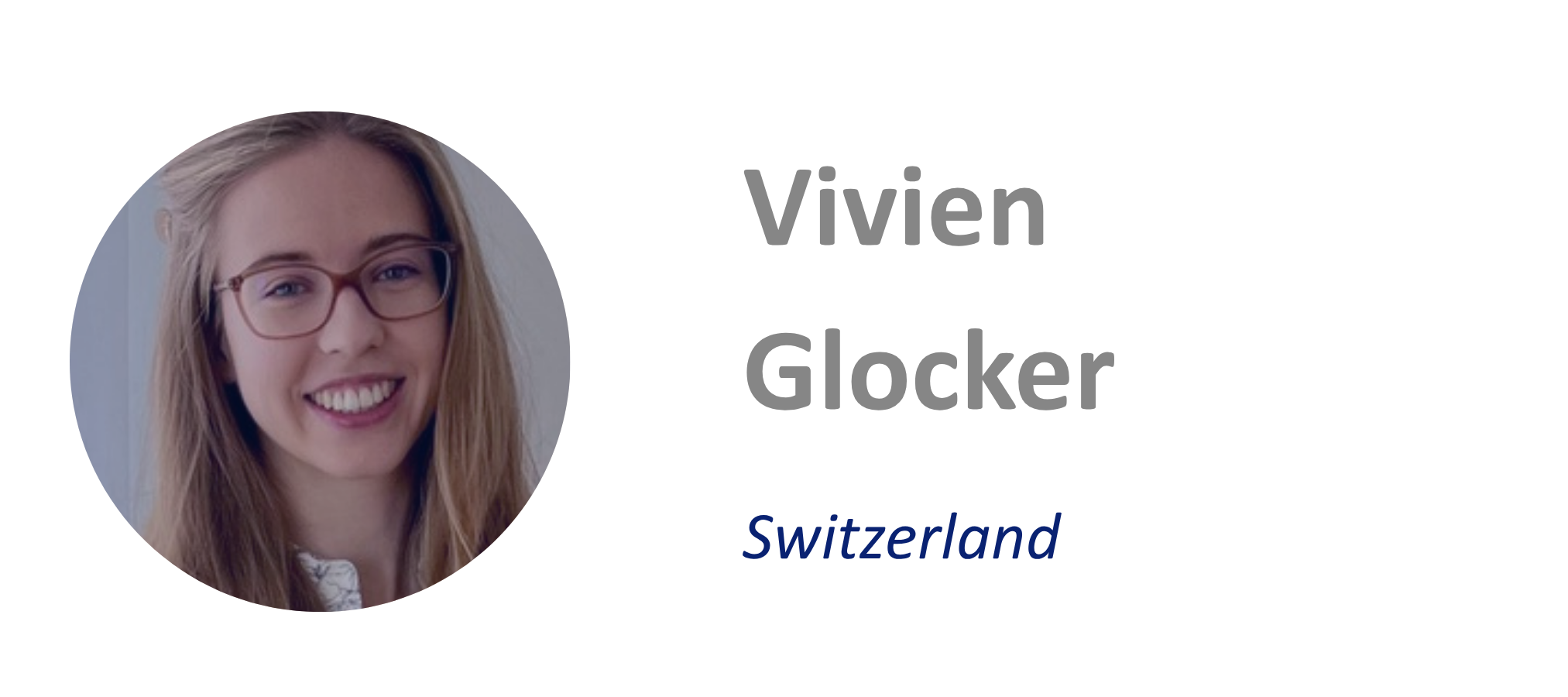
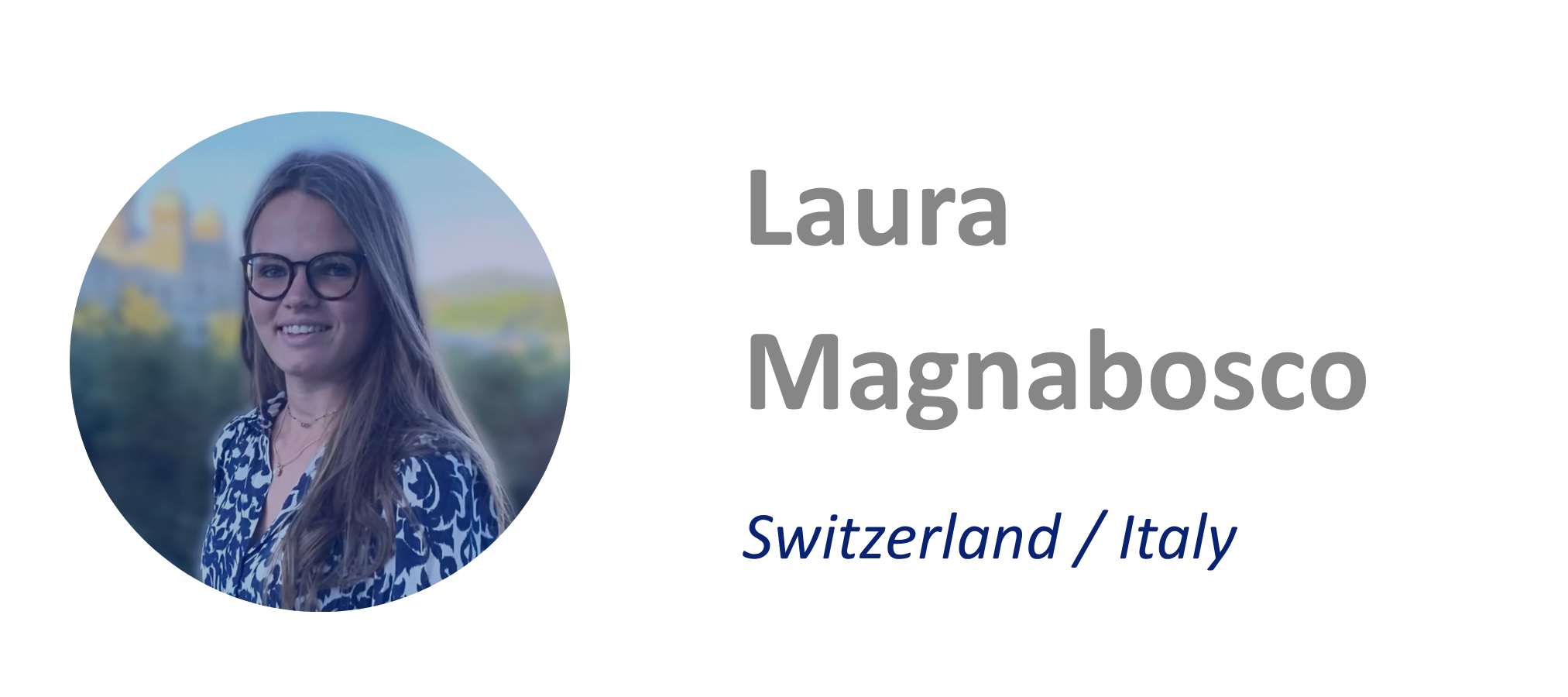
      Now, let’s shine a spotlight on our wonderful LEP Experts: Nadine Schenk , Vivien Glocker , and Laura Magnabosco !

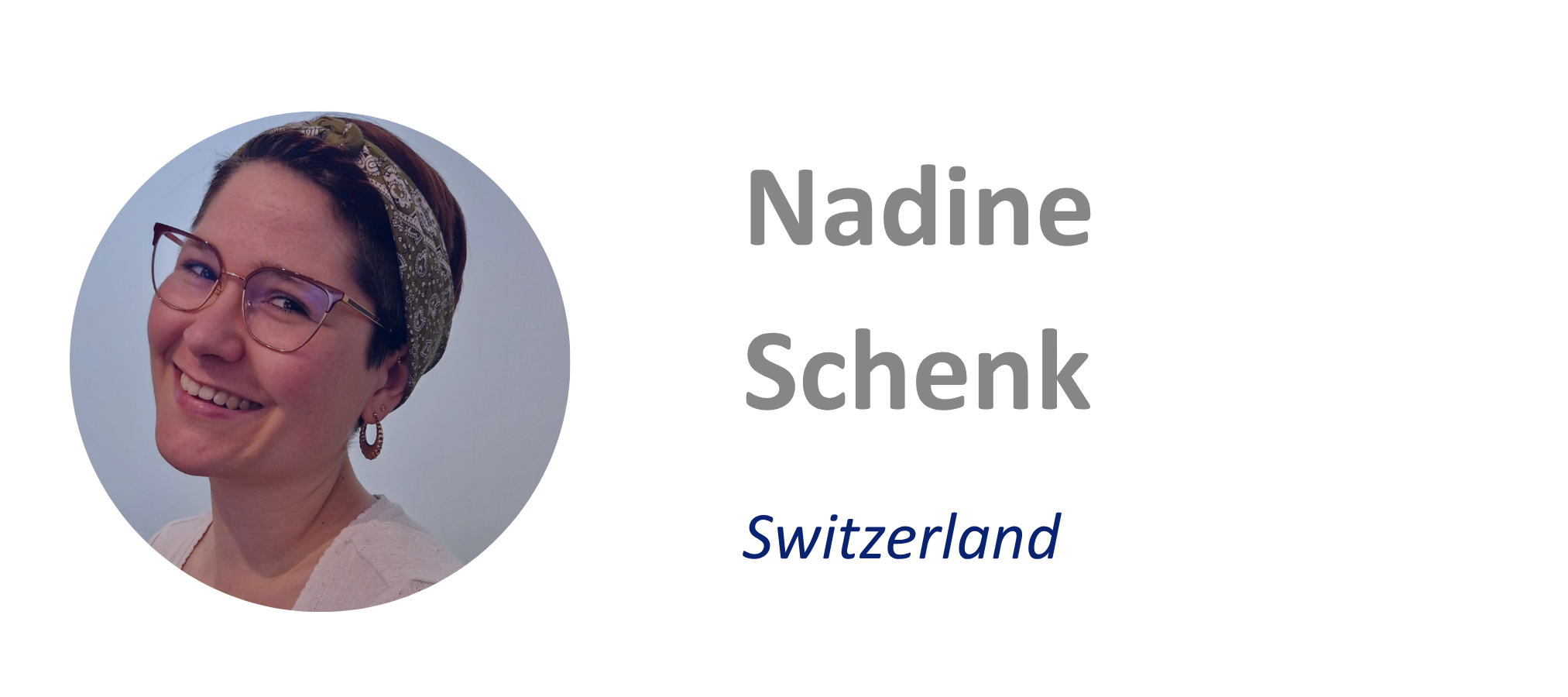
      Nadine was diagnosed with Type 1 diabetes in 2011. After completing two vocational trainings as an ornamental plant and landscape gardener, she went on to study social pedagogy. Nadine is committed to ensuring that people with diabetes who also live with physical, cognitive, or psychological impairments receive more targeted support and guidance. She is also dedicated to promoting the development of new technologies and tools that make everyday life easier for people with diabetes and disabilities. In addition, Nadine serves on the board of Diabetes Bern. Her personal experiences with diabetes, as well as more insights into her interests and goals for the community, can also be heard in episode 3 of the Club D podcast by Diabetes Switzerland.

      Vivien is a physician and doctoral candidate with a Diploma of Advanced Studies in Management of Clinical Trials. With international experience in clinical care and research across the U.S., Germany, and Switzerland, she has focused particularly on type 1 diabetes and its multifaceted challenges. Her scientific work includes publications in national and international journals, with a special emphasis on psychosocial aspects and precision medicine in type 1 diabetes. Driven by a strong commitment to the diabetes community, Vivien is passionate about advancing both patient care and research in order to improve outcomes and foster innovation in the field of type 1 diabetes.

      Laura is originally from Italy, but currently residing in Switzerland as she pursues her PhD in the field of diabetes research. Laura’s journey with diabetes began at the age of 14 when she was diagnosed with type 1 diabetes. Her diagnosis ignited a spark within her for scientific exploration and a deep fascination with the intricate workings of the human body. Driven by this passion, she embarked on a path of academic excellence, majoring in Medical Biotechnology at university. Her thirst for knowledge led her to pursue a doctoral degree, specializing in diabetes research. Laura is profoundly committed to her work in the lab, where she engages in cutting-edgepre-clinical research. Her ultimate goal is to make a substantial and positive impact on thelives of those affected by diabetes. Recently she has recognized the immense value in sharing experiences and insights with others who face the same challenges. This newfound awareness has inspired her to extend her knowledge and experiences beyond the laboratory. She believes in the transformative power of shared experiences and hopes to harness it for the betterment of individuals living with diabetes.

      Thank you Nadine, Vivien and Laura for being on board and for all the important work you do!

      And you, dear followers, see you for the next edition of our DCB newsletter!


      This post was previously published in Linkedin. Click here to see the original publication.

      More recent news

      Sign up for our newsletter
      to receive the latest news.

      * Pflichtfelder
      DSGVO *

      DCB Research AG

      Freiburgstrasse 3
      3010 Bern
      Schweiz

      DCB Newsletter #3/25: Menstrual cycle and insulin requirements

      DCB Newsletter #3/25: Menstrual cycle and insulin requirements

      We are thrilled to present you with the next episode of our series “INSIDE DCB”!

      Research at the Diabetes Centre Berne: Focus on the menstrual cycle and insulin requirements

      The Diabetes Centre Berne (DCB) is investigating the influence of hormonal fluctuations, particularly the menstrual cycle, on diabetes management. Martina Rothenbühler and Stefanie Hossmann explain how they are working with the community to collect data and gain new insights to help those affected.

      Martina Rothenbühler (MR) and Stefanie Hossmann (SH), what are your roles at the Diabetes Centre Berne (DCB)?

      MR: My focus is on data analysis and developing research questions. I draw on my background in biostatistics and investigate, for example, how hormonal fluctuations influence insulin requirements.

      SH: I am responsible for coordinating studies at the DCB and ensuring compliance with regulatory requirements. My background as a biologist enables me to tailor these studies to the specific needs of the participants.

      How did you come up with the idea to research this topic?

      SH: We learned from the diabetes community, from various people living with diabetes, that there are fluctuations in diabetes management in relation to the menstrual cycle. We then began to look into the topic in more detail. We found very little on this in the mainstream scientific journals, so we decided to investigate the topic more thoroughly. There are different phases in the menstrual cycle during which hormones increase or decrease. These include, for example, the follicular phase and, at the end, the luteal phase. Ovulation takes place in between. Since all of this is closely linked to hormones, we assumed that insulin requirements are also affected.

      MR: I previously worked at Ava, a femtech start-up. There, we conducted research projects that showed that the menstrual cycle has many different effects, for example in the areas of sport and osteoporosis. This sparked my interest, as insulin sensitivity may also be related to this.

      Why has this topic been largely unexplored until now?

      MR: One of the reasons is the so-called gender health data gap, i.e. the lack of health data on women. For a long time, women were excluded from clinical studies to avoid risks, for example in the event of pregnancy. In addition, hormonal fluctuations were considered potential confounding factors that could make general statements difficult. These aspects are not yet sufficiently anchored in research.

      SH: That’s really surprising. With almost every new research topic, you realise that this is not a given.

      How does the diabetes community view your efforts to investigate the link between diabetes and the menstrual cycle?

      MR: We have mainly received feedback from people who already considered the topic important or saw it as a personal problem. However, we do not know how many women did not feel affected by it. For some, enthusiasm for our research was greater than their willingness to actually participate in the study. Nevertheless, many found the topic interesting and important, even if participating in a study is a hurdle.

      SH: We also often received feedback that this issue is seen as a relatively minor problem and that more important issues should be addressed first. However, we take a different view. Especially when diabetes management is already at a high level, a small improvement, such as five per cent more time in the target range (time in range), can bring about a noticeable improvement. This has also been confirmed by the community.

      What further goals are you pursuing with your research in this area?

      MR: Our aim is to bring more data from women and non-binary people into medical research and to raise awareness of these issues. The focus is not only on time-in-range, but also on how technology should be designed in this context. For example, more is already known about the influence of gender on sport and nutrition in relation to diabetes.

      SH: However, less research has been done on hormonal transition phases such as pregnancy, breastfeeding or gender reassignment.

      MR: Or even the entire puberty phase. All these gender-specific phases are related to diabetes, but they are still largely unexplored. We are currently working on an editorial that highlights precisely these areas.

      Why is this topic particularly relevant to the Diabetes Centre Berne?

      MR: What is special about diabetes and the menstrual cycle is that there is no specific industry behind it and therefore hardly any commercial interests at stake. Our research covers the entire field of diabetes technology and is not limited to a single manufacturer. However, this also means that there is often little research funding available and we are dependent on third-party funding. As a foundation, we are therefore in a good position to conduct this research together with people with diabetes.

      What specific projects are you currently working on, and what are your main goals?

      MR: What I find exciting is the fact that, although there are restrictions for certain groups, many of those affected have nevertheless found their own solutions to deal with the challenges. They have developed strategies that work for them personally.

      SH: We are currently working closely with the community to understand exactly where the problems lie and what needs exist. We are collecting data on the extent of the burden and the strategies that those affected have developed to cope with it. So far, we have evaluated data from the past. In the future, we would like to collect data in a targeted and forward-looking manner to get even better answers to our questions.

      Thanks so much for reading, and we’ll provide you with the next episode of this series soon!

      This edition was authored by Sunjoy Mathieu, Communication Manager at DCB.


      This post was previously published in Linkedin. Click here to see the original publication.

      More recent news

      Sign up for our newsletter
      to receive the latest news.

      * Pflichtfelder
      DSGVO *

      DCB Research AG

      Freiburgstrasse 3
      3010 Bern
      Schweiz

      DCB Newsletter #2/25: DID YOU KNOW… that staying active with Type 1 Diabetes doesn’t have to be complicated?

      DCB Newsletter #2/25: DID YOU KNOW… that staying active with Type 1 Diabetes doesn’t have to be complicated?

      Dear Community,

      For many people living with Type 1 Diabetes (T1D), physical activity can bring unique challenges. Balancing glucose levels, managing insulin, and planning meals around exercise often require extra care and consideration.

      The new book “Empowered: The Science of Exercise with Type 1 Diabetes”, authored by Dr. Sam Scott, CEO and Co-Founder of Enhance-d, and Dr. Simon Helleputte, offers clear and accessible guidance to help you safely and effectively integrate physical activity into your life. Grounded in the latest research, this resource is designed to empower you, no matter your activity level or goals.

      This book is not just about exercise – it’s about empowering you to lead a more active, confident, and fulfilling life while managing your condition. Whether it’s adapting insulin for a morning walk or managing glucose during endurance events, the complexity of physical activity with T1D can feel overwhelming. Empowered bridges the gap between research and everyday life, providing tools and strategies to help you navigate exercise with confidence.

      Who is this book for?

      The e-book is designed to meet the diverse needs of:

      1. People living with Type 1 Diabetes: Whether you’re starting your fitness journey or are an experienced athlete, this guide is tailored to your needs.

      2. Healthcare professionals: Gain insights to better support people with Type 1 Diabetes in their physical activity goals.

      3. Caregivers and coaches: Learn how to provide practical support and encouragement.

      What’s Inside?

      Here’s a glimpse into the book’s ten chapters, crafted to address every key aspect of Type 1 Diabetes and exercise:

      1. Understanding Type 1 Diabetes and exercise: Gain a foundational understanding of how Type 1 Diabetes affects glucose levels during different types of physical activity, including aerobic and anaerobic exercise.

      2. The benefits of physical activity: Discover how regular exercise improves insulin sensitivity, supports cardiovascular health, and enhances overall wellbeing. Learn why even small steps, like reducing sedentary time, can make a big difference.

      3. Hormonal and metabolic responses to exercise: Explore how your body’s natural responses differ with Type 1 Diabetes and how to anticipate and manage fluctuations in glucose levels during and after activity.

      4. Practical exercise management Learn step-by-step approaches to:

      • Adjust insulin doses for various activities
      • Prepare for workouts with tailored nutrition strategies
      • Manage glucose levels during exercise with continuous glucose monitoring (CGM).

      5. Sports science management: For those pursuing endurance sports, delve into advanced topics like low-carbohydrate diets, post-workout recovery, and adaptations for extreme environments.

      And more about Metabolism and management, Sports science principles, Low-carbohydrate diets and Athletic performance in Type 1 Diabetes. Simon and Sam have meticulously compiled the most relevant research to help readers better understand and navigate exercise with Type 1 Diabetes.

      Why this book might be for you?

      1. Research Made Practical: The book translates decades of scientific studies into simple, actionable steps for your daily life.

      2. Real-Life Relevance: It was developed with input from people living with Type 1 Diabetes, ensuring the advice is applicable to real-world scenarios.

      3. Empowering Language: Written in an inclusive and uplifting tone, the book celebrates your strengths and provides solutions for overcoming challenges.

      Ready to Get Started?

      Exclusively for you, dear newsletter readers, we are happy to provide you with a free online version here:

      ➡️ https://book.enhance-d.com/5/empowered

      If you prefer a paperback version, you can get it here:

      ➡️ https://amazon.enhance-d.com/?asin=1068431717

      Join the Empowered Movement

      Connect with a community of people living with Type 1 Diabetes, healthcare professionals, and researchers dedicated to advancing understanding and support for exercise in Type 1 Diabetes management.

      Follow the authors and Enhance-d for updates:

      Key Takeaway

      Managing Type 1 Diabetes doesn’t mean giving up on your fitness goals – it means redefining them with knowledge, preparation, and the right tools. “Empowered” equips you with everything you need to move forward confidently, one step at a time.

      Thanks so much for reading!

      This post was previously published in Linkedin. Click here to see the original publication.

      More recent news

      Sign up for our newsletter
      to receive the latest news.

      * Pflichtfelder
      DSGVO *

      DCB Research AG

      Freiburgstrasse 3
      3010 Bern
      Schweiz