New endowed lectureship investigates the role of the gut microbiome in obesity and diabetes

New endowed lectureship investigates the role of the gut microbiome in obesity and diabetes

New endowed lectureship investigates the role of the gut microbiome in obesity and diabetes

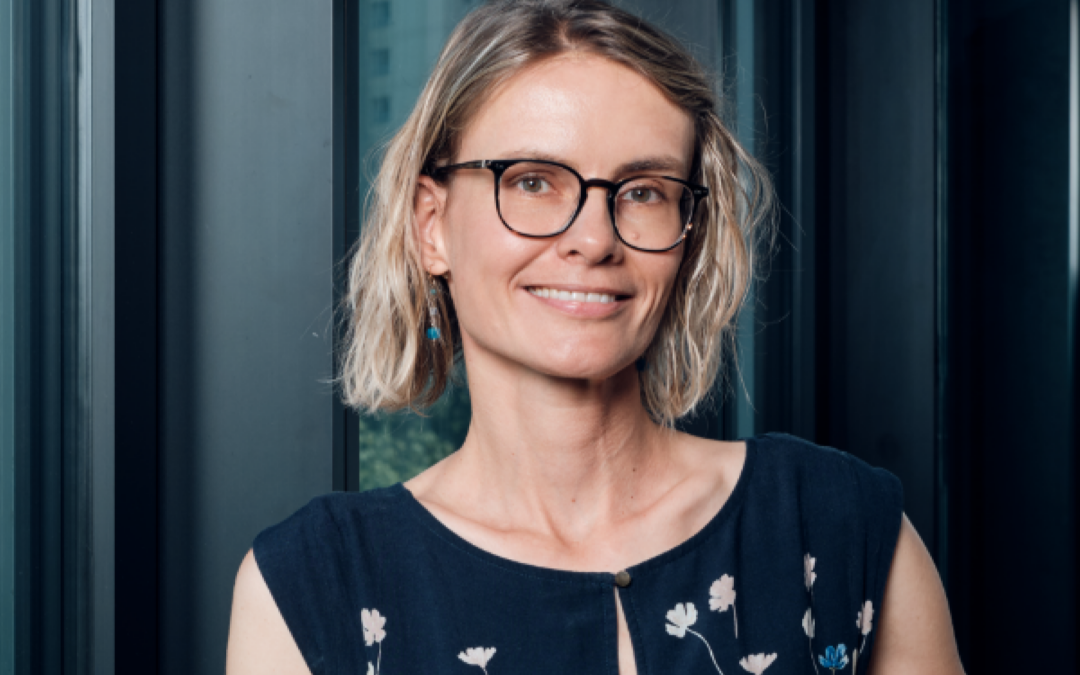
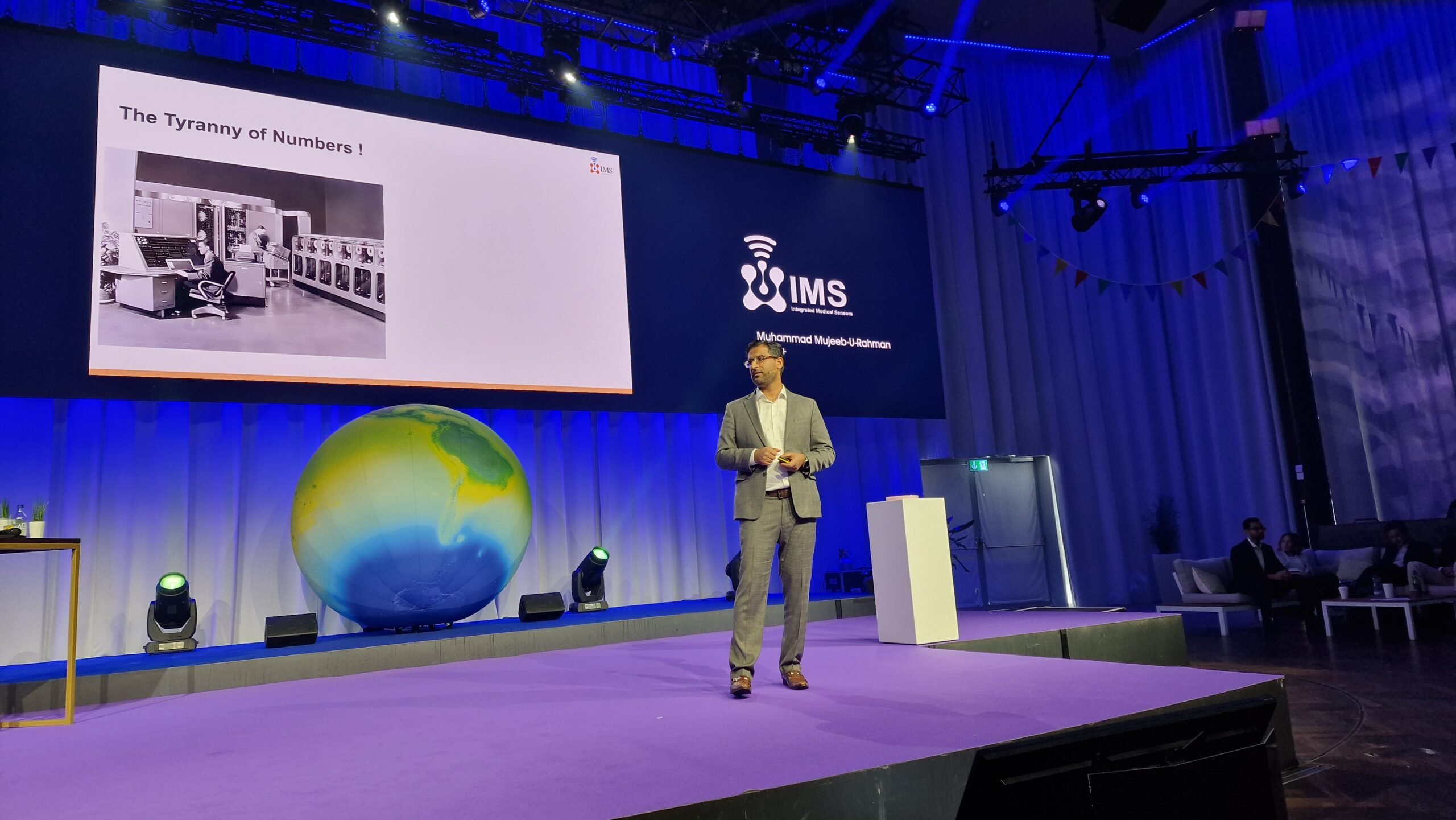
Thanks to the support of the Diabetes Center Berne (DCB), the University of Bern is establishing a new endowed lectureship at the Institute of Infectious Diseases (IFIK). Its aim is to investigate the role of the gut microbiome in metabolic diseases such as obesity, diabetes and related diseases and to develop new approaches to prevention and treatment. The lectureship is held by Prof. Dr. Maria Luisa Balmer.

Metabolic diseases such as obesity and type 2 diabetes have become one of the greatest global medical and social challenges in recent decades. Today, almost half a billion people worldwide live with diabetes – around a third of them are over 65 years old, but children and young people are also increasingly affected. By 2045, this figure is expected to rise further and reach well over 600 million people with the disease. The gut microbiota – i.e. the entirety of microorganisms in the gut – influences the metabolism and the immune system in a variety of ways. Disruptions in this delicate balance are considered a key factor in the development of obesity, type 2 diabetes and related metabolic diseases in humans.

A newly created lectureship will investigate the details of these interactions between metabolism and the immune system, as well as the mechanisms that could be used to develop new microbiome-based strategies for preventing and treating overweight and obesity. “The new endowed lectureship will strengthen a key future field of medicine, securing its place at our university in the long term,” says Virginia Richter, Rector of the University of Bern. Stephen Leib, Professor of Clinical Microbiology and Director of the Institute of Infectious Diseases (IFIK) at the University of Bern, where the endowed lectureship will be based, adds: “By integrating insights from basic research and clinical practice, new approaches to tackling obesity and diabetes can be developed. This could make a tangible contribution to addressing one of the most urgent health challenges of our time.”

Research at the interface of microbiota, immunology and metabolism

At the heart of the twelve-year lectureship, which is endowed with around five million Swiss francs, is research into immunometabolism – a relatively new field that investigates the interactions between metabolic processes and the immune system. A central working hypothesis is that in obesity and diabetes, certain metabolic products of the intestinal microbiome trigger or intensify persistent, mild inflammatory processes in the body, that are involved in the regulation of body weight. Conversely, other microbial metabolites appear to protect against such inflammatory responses.

The new endowed lectureship will be held by Prof. Dr. Maria Luisa Balmer. Balmer is SNSF-Excellenza Assistant Professor and research group leader of the Translational Immunometabolism Lab at the Institute of Infectious Diseases at the University of Bern. In her research, she investigates which microorganisms have a protective effect against such inflammatory reactions and could, in a sense, be harnessed as the body’s own means of regulating weight. The aim is to establish a scientific basis for innovative strategies to prevent and treat these major diseases.

Balmer combines innovative experimental systems – such as germ-free mouse models, i.e. mice that are raised entirely without microorganisms, including gut bacteria – with state-of-the-art multi-omics approaches and clinical studies in patients with obesity and diabetes. Multi-omics approaches integrate data at the gene, protein and metabolite levels to obtain the most comprehensive possible picture of the underlying biological processes. This makes it possible to first identify mechanisms of interaction between the gut microbiome and its host, as well as potentially beneficial metabolites, in the mouse model and then test their relevance directly in patients.

“The endowed lectureship allows us to systematically decipher the functional role of individual microorganisms and their metabolic products and translate them more quickly into clinical application,” says Leib. Balmer adds: “I am delighted that the new endowed lectureship will enable us to complement the IFIK’s existing strong profile in infection research by systematically investigating how beneficial gut bacteria and their metabolic products could protect against obesity and diabetes.”

Contribution to prevention, therapy and personalized medicine

The establishment of the endowed lectureship is made possible thanks to the financial support of the Diabetes Center Berne (DCB) – a private, independent Swiss foundation established in 2017 by entrepreneur Willy Michel with the aim of making life with diabetes easier. Derek Brandt, CEO of the Diabetes Center Berne, emphasizes: “Metabolic diseases such as obesity and diabetes are among the most common and cost-intensive diseases of our time. It is crucial for us that new scientific findings are translated into concrete approaches for prevention and treatment as quickly as possible. A better understanding of the gut microbiome opens up promising new possibilities here.”

The endowed lectureship should therefore help to close an existing gap between classical infection research and metabolic medicine and promote new interdisciplinary collaborations within the Faculty of Medicine. “This field of research is already well established at the University of Bern. With the endowed lectureship, we want to make a targeted contribution to developing promising approaches more quickly towards application – especially where new findings can specifically improve diabetes management,” says Brandt. In particular, new microbiota-based prevention and therapy approaches against obesity and its secondary diseases, a deepening of interdisciplinary cooperation within the university and with external partners as well as impulses for personalized medicine, for example through the use of microbial biomarkers for individual risk assessment, are expected.
Downloads

Contact:

Media Relations
University of Bern
Tel: +41 31 684 41 42
E-mail: medien@unibe.ch

Diabetes Center Berne
E-mail : medien@dcberne.com

About Maria Luisa Balmer

Prof. Dr. med. Maria Luisa Balmer is an immunologist and physician and heads the Translational Immunometabolism Lab at the Institute for Infectious Diseases at the University of Bern. Her research investigates how the gut microbiota, metabolism and immune system interact and contribute to the development of common diseases such as obesity and diabetes. She has been awarded an SNSF Eccellenza Professorial Fellowship and various other national and international grants for her excellent research. in 2023, Balmer also received the Marie Heim-Vögtlin Prize for outstanding young female researchers.

More information: https://www.ifik.unibe.ch/forschung/translational_immunometabolism___trim_lab___maria_balmer/index_ger.html


Institute for Infectious Diseases (IFIK)

The Institute of Infectious Diseases (IFIK) is part of the Faculty of Medicine of the University of Bern and combines the entire spectrum of clinical microbiology in teaching, research and diagnostic services in the fields of virology, bacteriology, mycology, parasitology and immunological infection analysis. The IFIK is home to the Biosafety Center, which supports research with highly pathogenic microorganisms and is designated as a “WHO Collaborating Center for Biosafety and Biosecurity”.  The IFIK performs national health care tasks within the framework of mandates from the Federal Office of Public Health (FOPH) as the National Reference Center for Pneumococci (NZPn) and the National Center for Antibiotic Resistance (anresis.ch).

More information: https://www.ifik.unibe.ch/


Diabetes Center Berne (DCB)

The Diabetes Center Berne (DCB) is a private, independent Swiss foundation established in 2017 with the aim of making life with diabetes easier. The DCB supports ideas and projects in the field of diabetes technology worldwide by providing expertise, access to clinical research facilities and its own laboratories, as well as financial resources. The aim is to work in partnership to bring them a big step closer to market maturity. The work of the DCB is not profit-oriented – the goal is new insights and innovations in diabetes management as well as a vibrant community.

More information: https://www.dcberne.com/de/

More recent news

Sign up for our newsletter
to receive the latest news.

* Pflichtfelder
DSGVO *

DCB Research AG

Freiburgstrasse 3
3010 Bern
Schweiz
Four DCB professorships advance research in diabetes technology

Four DCB professorships advance research in diabetes technology

Four DCB professorships advance research in diabetes technology

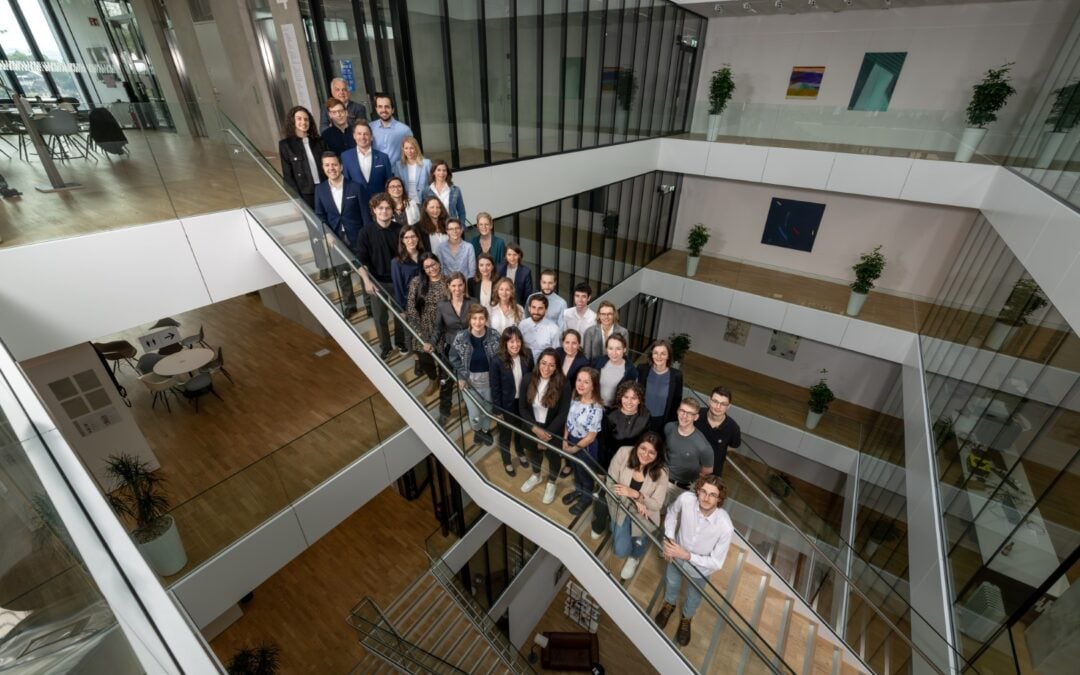
32 publications, 37 conference contributions and over CHF 6 million in research funding: the four professorships at the Diabetes Center Berne are advancing diabetes technology research and driving innovation in diabetes care. 

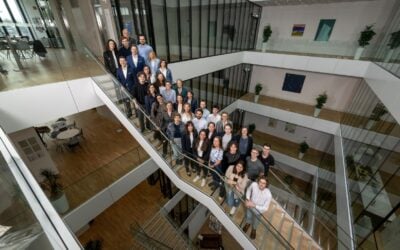
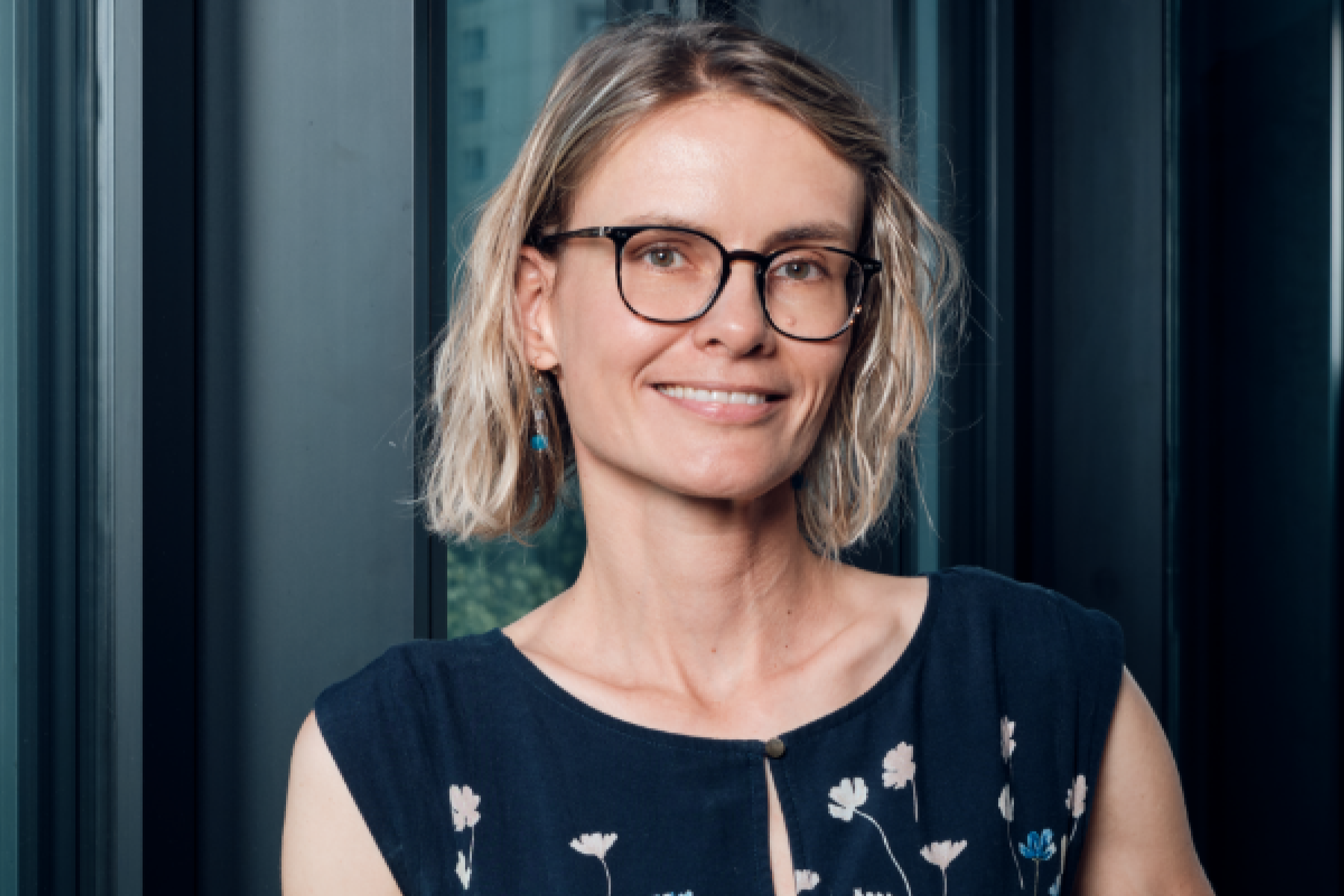
The Diabetes Center Berne (DCB) is proud of the joint achievements of its four professors — Prof. Dr. Lilian Witthauer, Prof. Dr. Lisa Koch, Prof. Dr. Maria Louisa Balmer and Prof. Dr. José Garcia — and their teams. Together, the four professorships have built a highly productive research environment in recent years, driving innovation in diabetes technology and strengthening the international visibility of this field. 

In 2025, the four DCB professorships jointly published or contributed to 32 scientific publications. These outputs reflect steadily growing scientific activity across the research portfolio and underline the relevance and quality of the work conducted within the DCB ecosystem. 

In addition to publications, the teams delivered 37 contributions at national and international scientific conferences. These presentations play an important role in fostering exchange with the international research community, clinical partners and industry stakeholders in the field of diabetes technology. 

The teams have also been successful in securing research funding: in recent years, the professorships have jointly raised more than CHF 6 million from competitive funding programmes, foundations and industry-supported research collaborations. These resources enable the development, validation and gradual translation of new technologies towards real-world application. 

At the same time, the scientific environment around the four professorships has continued to grow. Today, a total of 61 researchers work across the DCB professorships, reflecting the dynamic development of the centre. The teams bring together expertise in science, engineering, clinical research and data science, creating an interdisciplinary environment for developing new solutions in diabetes care. 

The Diabetes Center Berne is proud to provide a platform for this network of researchers. Through close collaboration between science, clinical practice and industry partners, the centre contributes to accelerating technological innovation and improving the lives of people living with diabetes. 

More recent news

Sign up for our newsletter
to receive the latest news.

* Pflichtfelder
DSGVO *

DCB Research AG

Freiburgstrasse 3
3010 Bern
Schweiz

SNAQ Launches the First AI Nutritionist for CGM Users Managing Diabetes

SNAQ Launches the First AI Nutritionist for CGM Users Managing Diabetes

SNAQ Launches the First AI Nutritionist for CGM Users Managing Diabetes

SNAQ has announced the release of its AI Nutritionist, a first-of-its-kind digital companion designed to help people with diabetes.

SNAQ has launched its AI Nutritionist, a digital companion designed to support people with diabetes through personalized, real-time nutrition guidance. By integrating meal analysis, glucose data, insulin, and activity tracking, the tool delivers tailored recommendations and always-on coaching to help users improve blood sugar control and build sustainable habits.

Built on SNAQ’s clinically validated meal recognition technology, already used by over 250,000 people, the platform is supported by randomized-controlled evidence showing improved glycemic outcomes. CEO Aurelian Briner highlighted its potential to expand access to affordable, high-quality nutrition care globally. The AI Nutritionist is now available in the U.S., with international rollout planned throughout 2026.

For more details, visit the full press release or explore SNAQ’s website to learn more about their AI-driven diabetes care solutions.

More recent news

Sign up for our newsletter
to receive the latest news.

* Pflichtfelder
DSGVO *

DCB Research AG

Freiburgstrasse 3
3010 Bern
Schweiz

Alva Innovation wins the DCB Open Innovation Challenge 2025

Alva Innovation wins the DCB Open Innovation Challenge 2025

Alva Innovation wins the DCB Open Innovation Challenge 2025

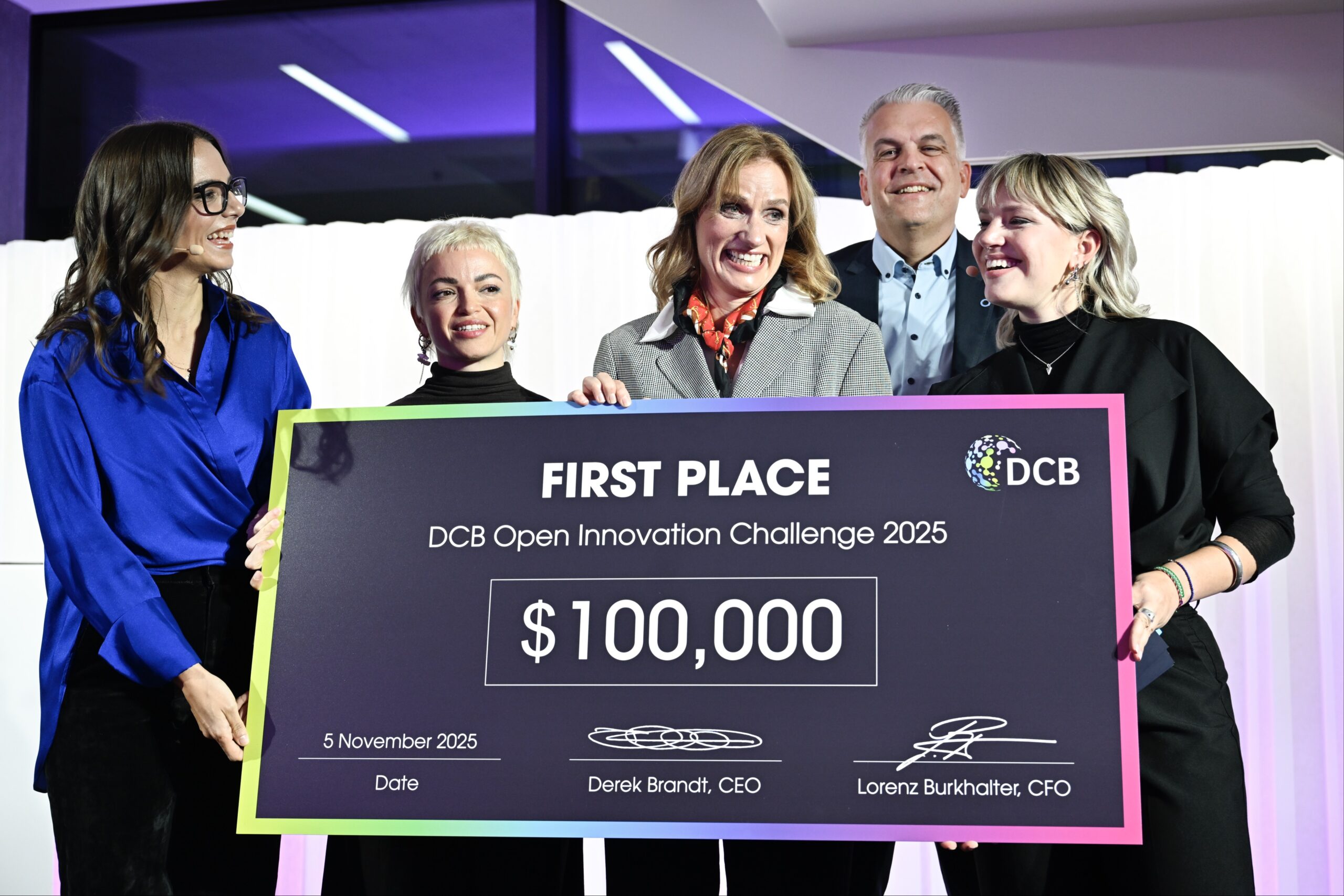
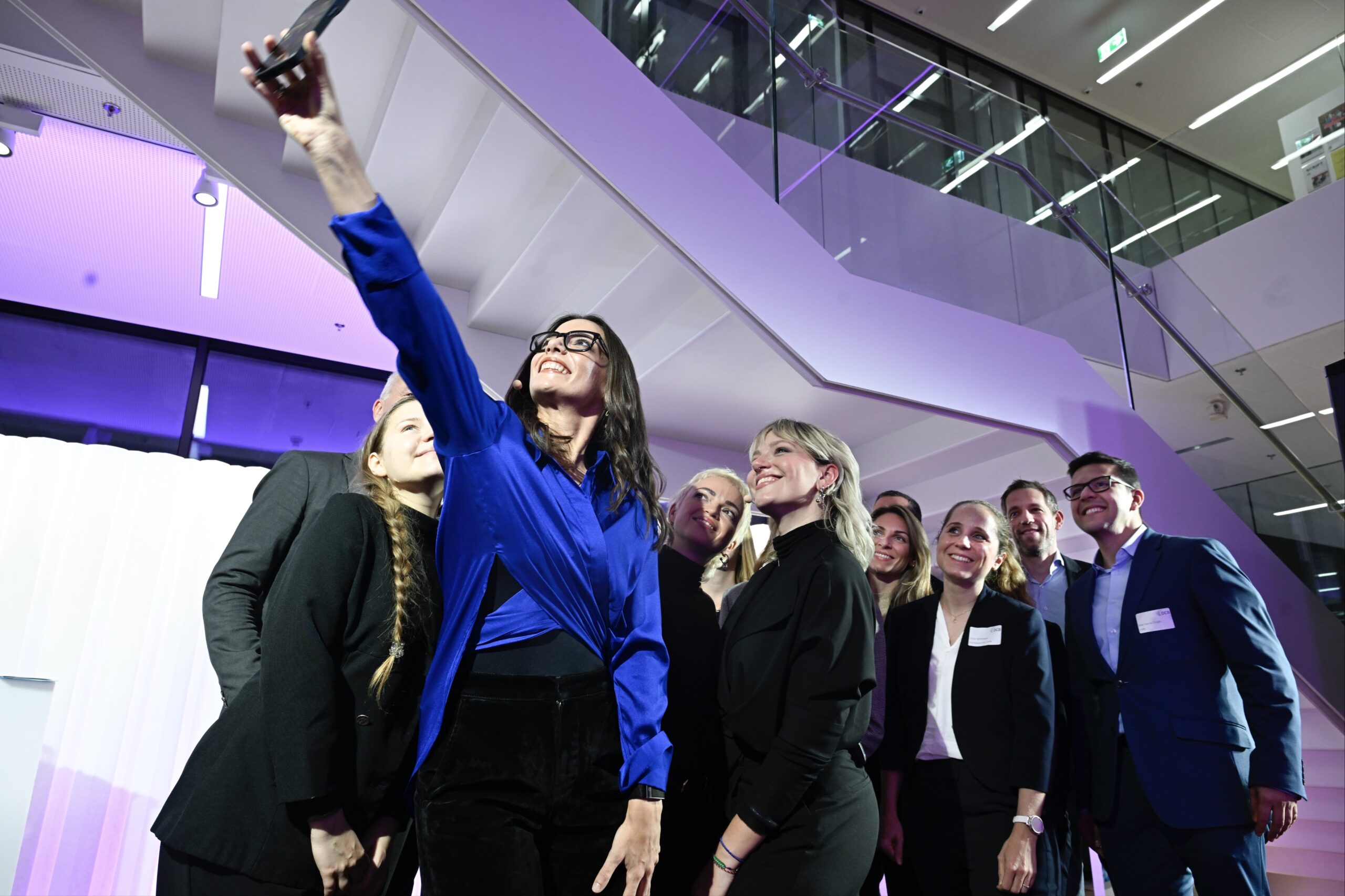
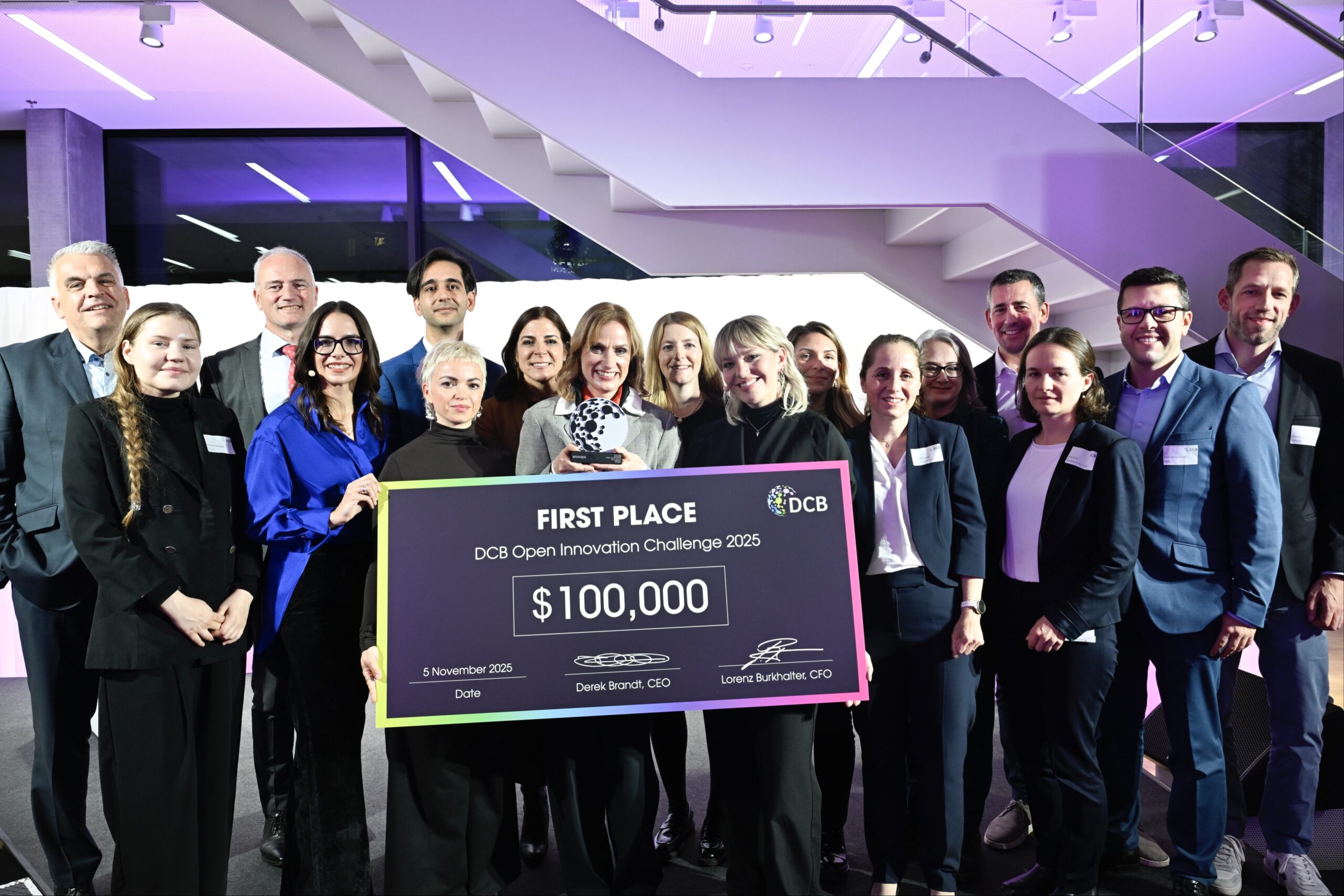
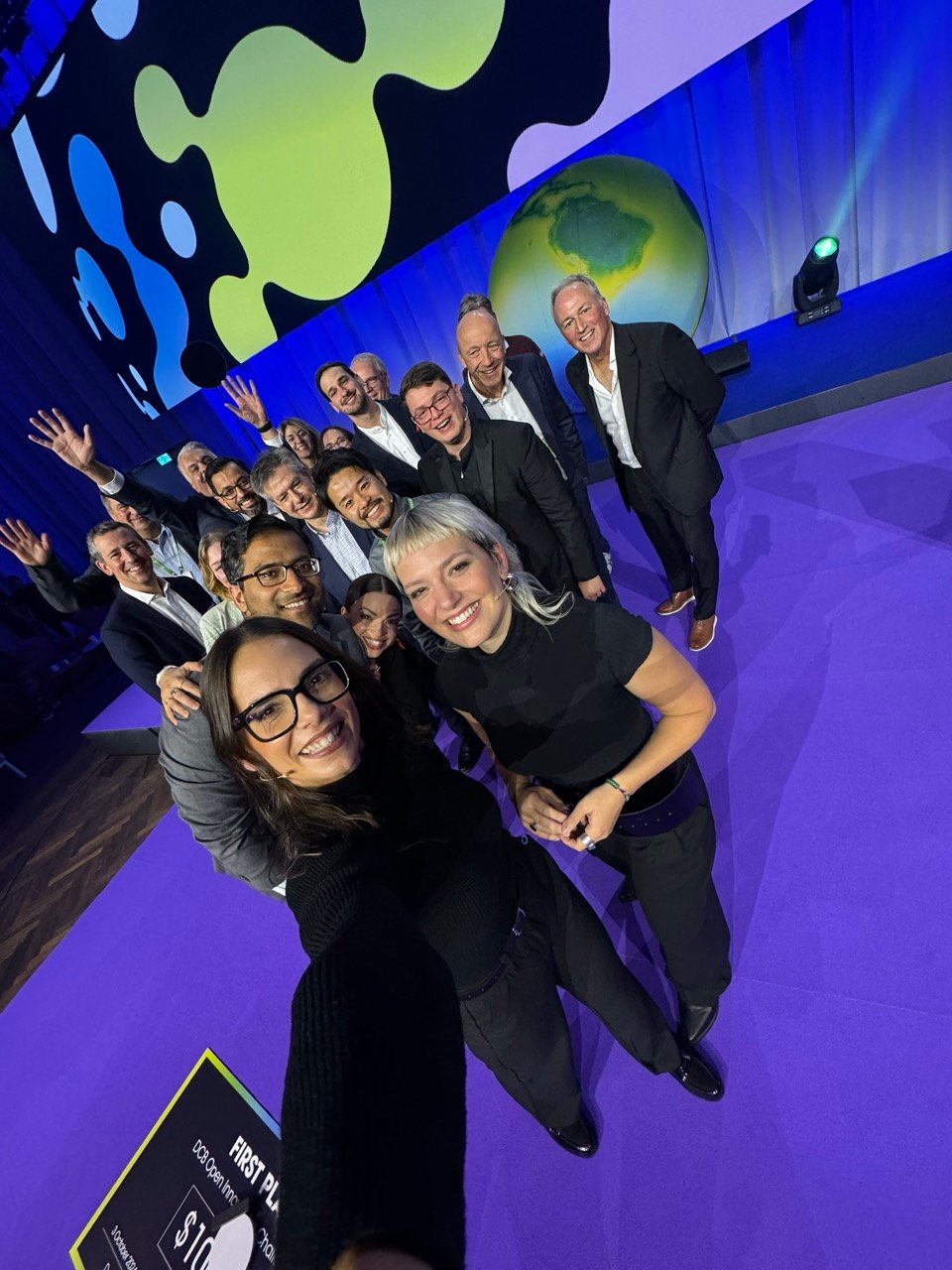
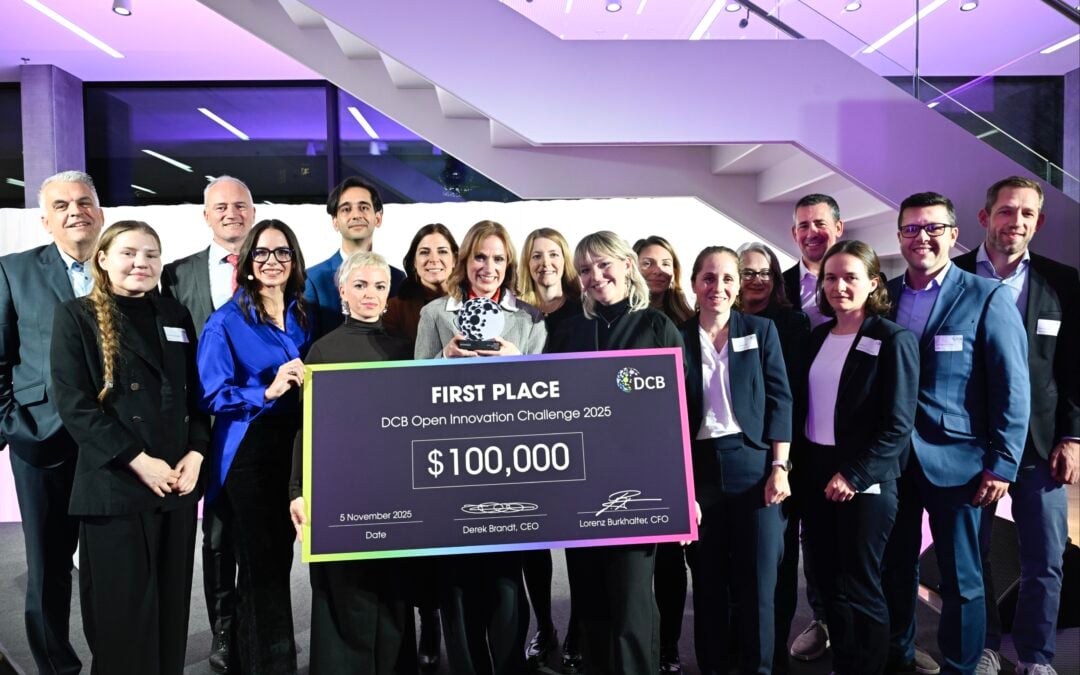
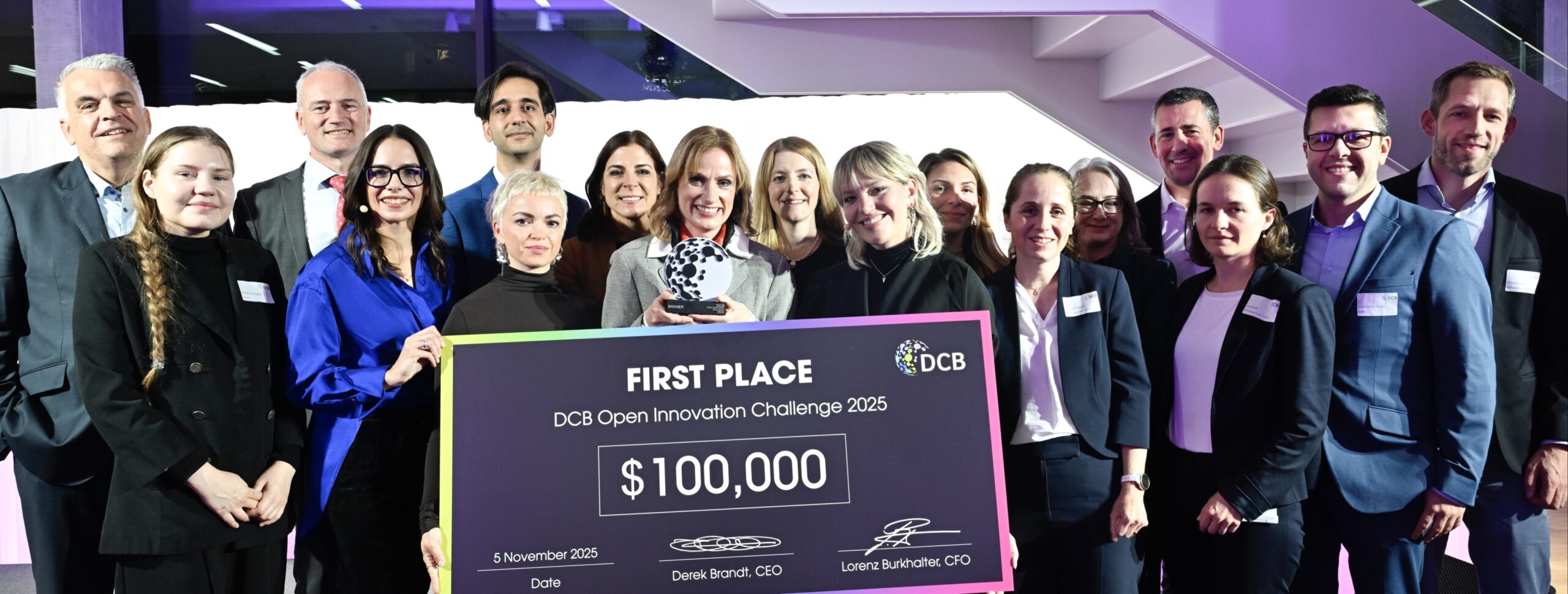
Bern, 6 November 2025 – The start-up Alva Innovations has won first place in the DCB Open Innovation Challenge. The company was honoured with a prize of USD 100,000, including in-kind support, at the DCB Day of Innovation, taking place at sitem-insel in Bern.

Incredible 54 ideas were submitted to the DCB Open Innovation Challenge this year. Five finalists from various countries pitched their innovations live on stage at sitem-insel in front of a big audience and an international jury. This year’s winner, the U.S.-based start-up Alva Innovations, convinced the jury with its pioneering real-time filtration system for insulin pumps, designed to prevent infusion-set occlusions and improve therapy safety for people living with diabetes.

Their technology has the potential to significantly enhance the reliability of insulin delivery systems and reduce treatment disruptions addressing one of the most frequent challenges in insulin pump therapy today.

A full day dedicated to innovation

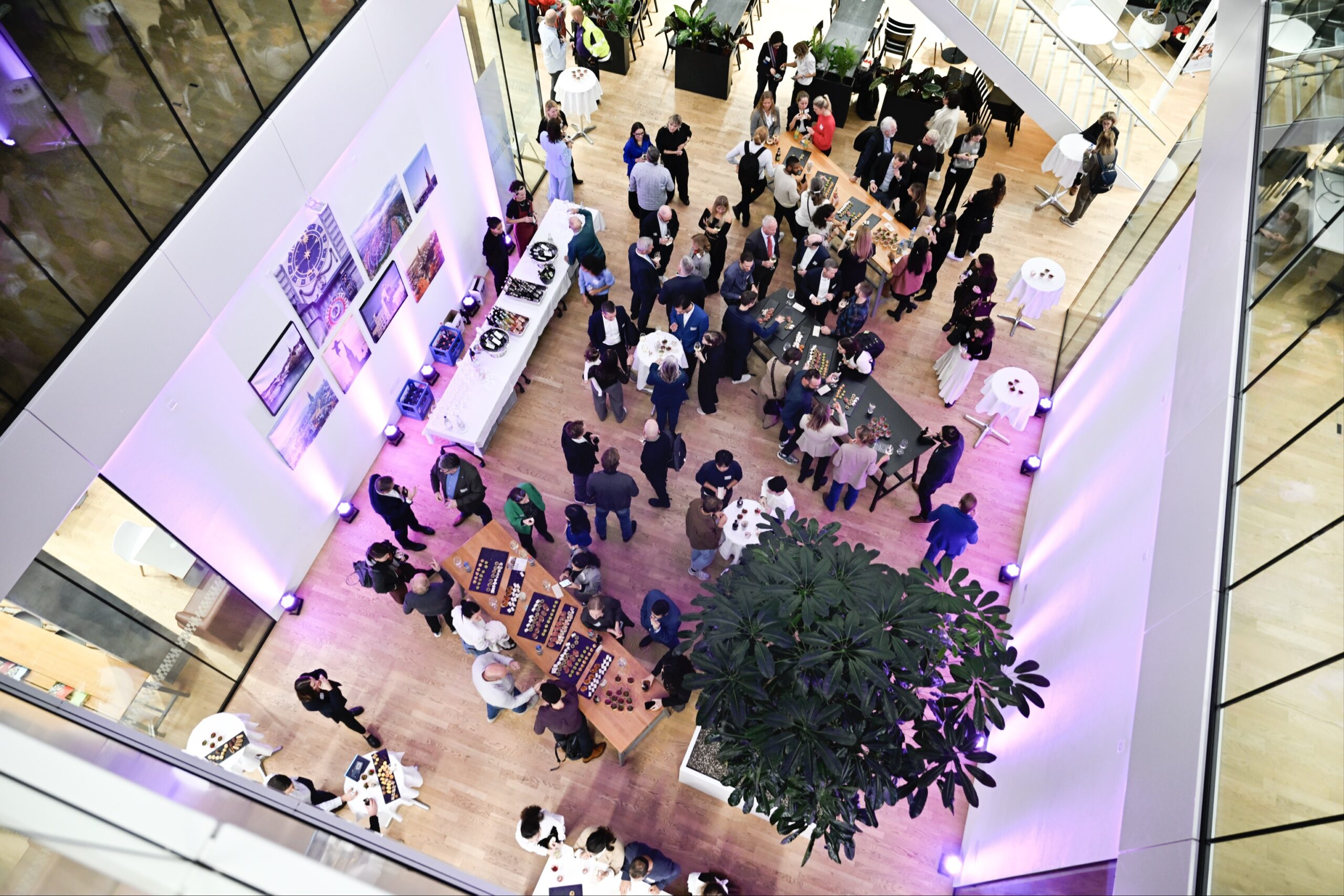
For the first time, the DCB expanded the traditional Start-Up Night into a full Day of Innovation, held on 5 November 2025 at the sitem-insel in Bern. The event brought together leaders from healthcare, academia, MedTech, industry, and policy to explore future-driven solutions in medicine and health technology.

The programme featured:

  • Start-up pitches from the Top 5 finalists (Alva Innovations, Neuraura, SynchNeuro, Diawiser, MEMS MicroPump Module)
  • Keynotes and insights from research, translational medicine, and industry translational research at DCB, sitem-insel, CSEM)
  • Showcases demonstrating real-world impact and successful commercialisation (T1D1, SNAQ, Piomic, MYNERVA, GO-Pen, Alveolix)
  • Perspectives from policy (Christoph Ammann) and medical ethics (Prof. Giovanni Maio) on advancing innovation and artificial intelligence in healthcare
  • Networking sessions connecting innovators, investors, clinicians, and partners

Celebrating five years of innovation impact

Since its launch in 2020, the DCB Open Innovation Challenge has supported a lot of start-ups from around the world, helping accelerate promising innovations in diabetes technology from concept to market. Many alumni have since achieved regulatory milestones, clinical validation, or commercial success.

It was an honor to lead this year’s DCB Open Innovation Challenge again and to transform our traditional Start-Up Night into a full day of innovation celebrating Swiss diabetes technology alongside inspiring projects from the wider Bern ecosystem. Seeing so many alumni from the past five years showcase the real-world impact of their innovations, improving diabetes care and successfully bringing products to market was truly inspiring. We are proud to have supported their potential and remain committed to helping start-ups and innovators on their journey to success.
It is exciting to see our project grow and gain recognition as a global hub for innovation in diabetes technology, and we look forward to continuing to expand its impact,

says Ema Grabenweger, Innovation Manager at DCB and responsible for the Open Innovation Challenge 2025.

About the winner: Alva Innovations

Alva Innovations aims to enhance the safety and efficiency of insulin pump therapy by integrating advanced micro-filtration directly into the infusion set. By reducing the risk of occlusions, the solution could lower therapy interruptions, prevent glycemic instability, and ease the daily burden of diabetes management. More about Alva Innovations: https://www.alva-innovations.com/

Looking ahead

DCB will continue to support the finalist teams beyond the Challenge with access to expert guidance, clinical expertise, and strategic support.

Sign up for our newsletter
to receive the latest news.

* Pflichtfelder
DSGVO *

DCB Research AG

Freiburgstrasse 3
3010 Bern
Schweiz
SNAQ Launches AI-Powered Glucose Prediction feature

SNAQ Launches AI-Powered Glucose Prediction feature

SNAQ Launches AI-Powered Glucose Prediction feature

SNAQ has introduced a groundbreaking AI-driven feature that predicts glucose responses before meals, revolutionizing diabetes care.

The new meal glucose prediction tool allows CGM users to anticipate their body’s reaction to food using a proprietary deep learning model and a unique digital twin approach. This innovation offers highly personalized insights for improved glucose control.

SNAQ also secured new funding led by the Diabetes Venture Fund at Serpentine Ventures, reinforcing investor confidence despite a tough market. CEO Aurelian Briner emphasized the company’s commitment to scaling innovations and transforming diabetes care. Looking ahead, SNAQ plans to introduce more AI-driven advancements to empower individuals in managing their health.

For more details, read the full press release or visit SNAQ’s website to learn more about their innovations in diabetes care.

More recent news

Sign up for our newsletter
to receive the latest news.

* Pflichtfelder
DSGVO *

DCB Research AG

Freiburgstrasse 3
3010 Bern
Schweiz
DCB Open Innovation Challenge: IMS Emerges as Winner with Innovation CGM+

DCB Open Innovation Challenge: IMS Emerges as Winner with Innovation CGM+

DCB Open Innovation Challenge: IMS Emerges as Winner with Innovation CGM+

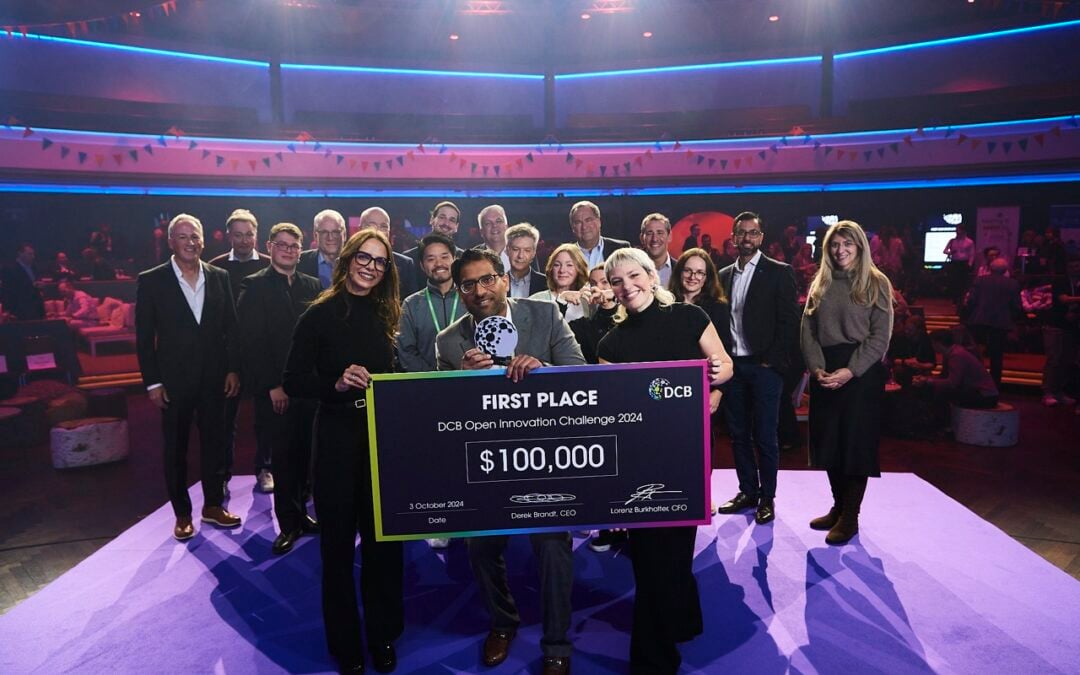
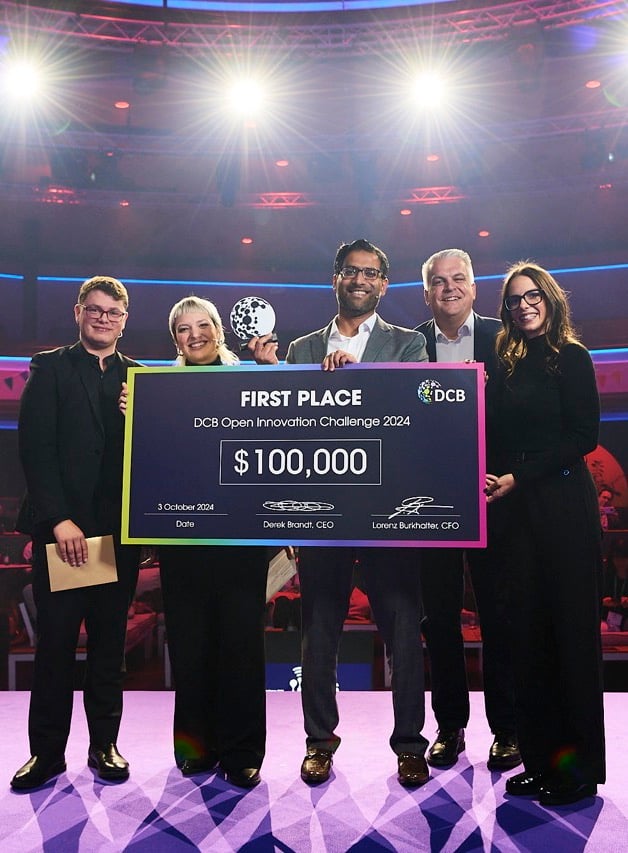
Bern, 4 October 2024 – The start-up Integrated Medical Sensors (IMS) has won first place in the DCB Open Innovation Challenge. The company was honoured with a prize of USD 100,000, including in-kind support, at the DCB Start-up Night at  Kursaal Bern. 

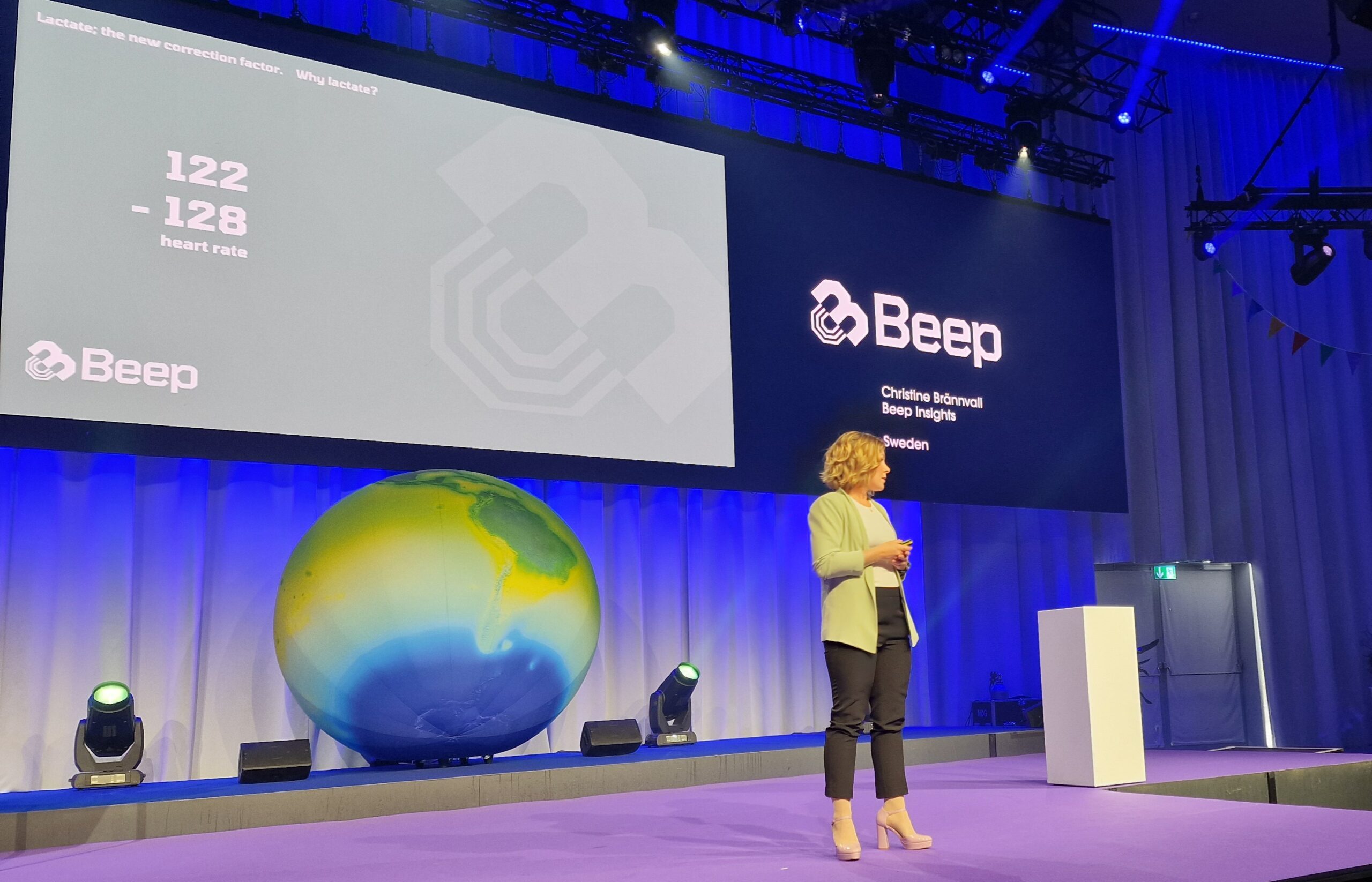
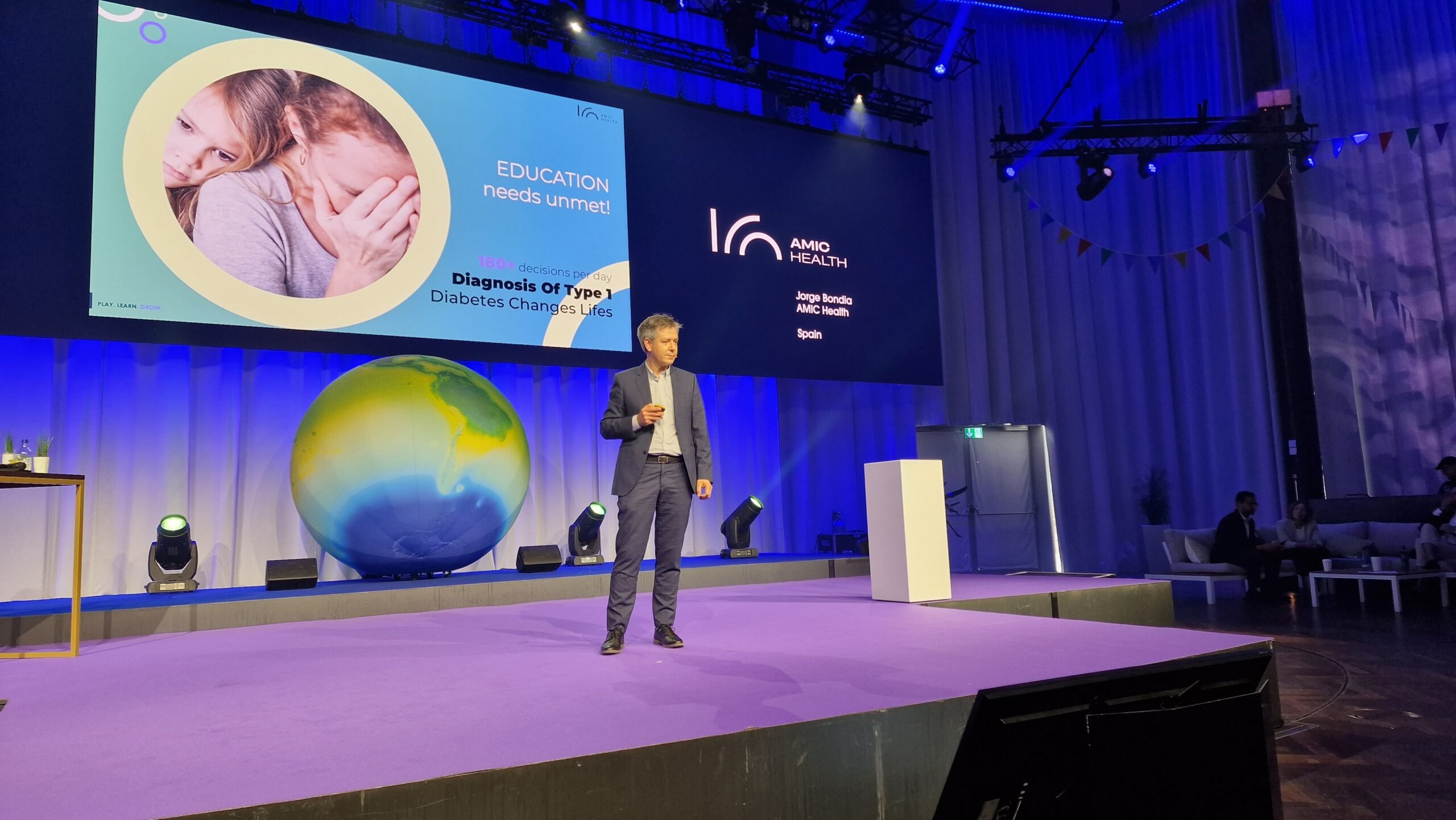
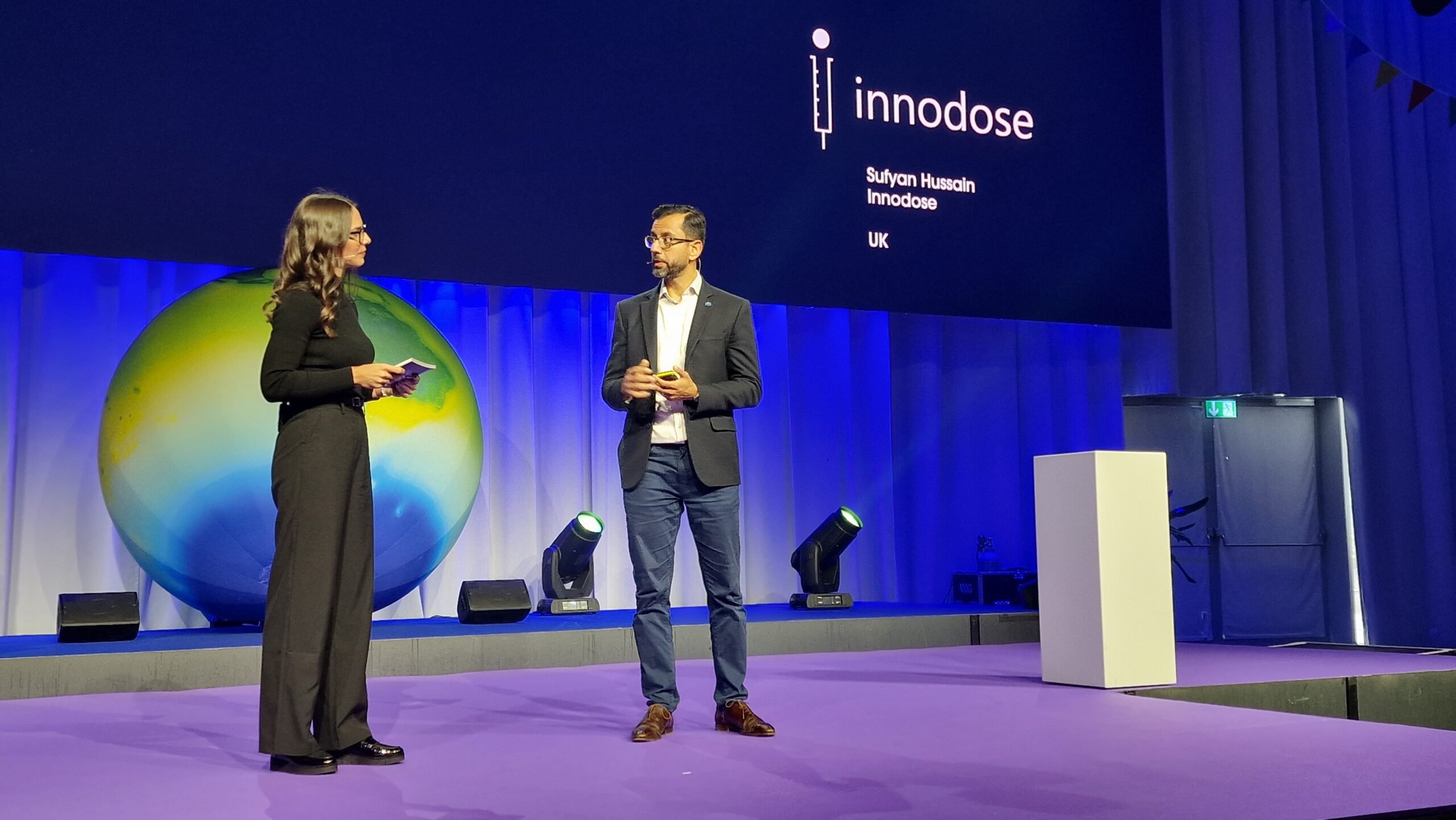
Incredible 100 ideas were submitted to the DCB Open Innovation Challenge this year. Six finalists from the U.S., the U.K., Switzerland, Spain, and Sweden, pitched their innovations live on stage at Kursaal Bern in front of a big audience and an international jury. This year’s winner, IMS, impressed the jury with a revolutionary, particularly small, and minimally invasive device for continuous glucose monitoring (CGM). The world’s first fully integrated single-chip device monitors blood glucose using multiple sensors simultaneously and can also record other physiological parameters such as tissue temperature. It is also able to measure various physiological parameters such as glucose and ketones – all with just one device. 

We are very proud of the number of start-ups this year and of our collaboration with the Diabetes Technology Society from the U.S.. We are particularly pleased to have received a total of 100 new and innovative ideas from start-ups. Together with the top six start-ups, we look forward to working on our shared mission to improve the lives of people with diabetes”,

says Ema Grabenweger, Innovation Manager DCB and responsible for the Open Innovation Challenge 2024. 

A Night of Innovation and Celebration

Incredible 100 ideas were submitted to the DCB Open Innovation Challenge this year. Six finalists from the U.S., the U.K., Switzerland, Spain, and Sweden, pitched their innovations live on stage at Kursaal Bern in front of a big audience and an international jury. This year’s winner, IMS, impressed the jury with a revolutionary, particularly small, and minimally invasive device for continuous glucose monitoring (CGM). The world’s first fully integrated single-chip device monitors blood glucose using multiple sensors simultaneously and can also record other physiological parameters such as tissue temperature. It is also able to measure various physiological parameters such as glucose and ketones – all with just one device. 

We are very proud of our top six finalists mastering their pitches after a successful preparation in the DCB Innovation Bootcamp. They showcased the diversity of innovations on stage, joining us on the journey to make life better for people with diabetes.

“The DCB Open Innovation Challenge is our annual highlight where we promote the best start-ups in diabetes technology. With a wide range of services from DCB and sustainable networks, we look forward to continuing our collaboration with all finalists and achieving great things together,

says Hanne Ballhausen, Project Manager Innovation and organiser of the DCB Bootcamp.

We extend our gratitude to everyone contributing to the success of the DCB Start-Up Night, on and off stage. The event was supported by mylife Diabetescare, Dexcom, Comerge, the Economic Development Agency of the Canton of Bern, the Swiss Federal Institute of Intellectual Property, and Diabetes Switzerland. 

About the DCB Innovation Challenge 

After the initial launch in 2021, the DCB Open Innovation Challenge took place for the fourth time this year. The aim of the challenge is to promote innovative, international projects in the field of diabetes management. It is the largest Innovation Challenge in diabetes technology, awarded with USD 100,000.  Applications are open to start-ups, medical and research professionals, and individuals. 

Sign up for our newsletter
to receive the latest news.

* Pflichtfelder
DSGVO *