Wound Infection Project

Wound Infection Project

Wound Infection Project

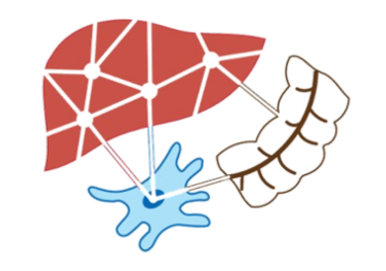
Understanding immune dysregulation in obesity and diabetes

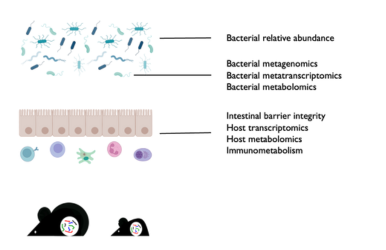
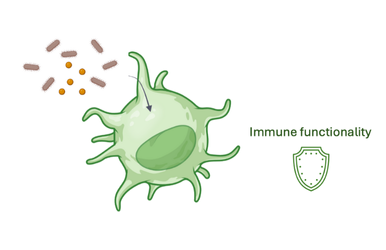
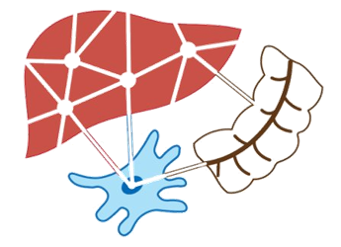
Obesity and diabetes, which are both rapidly increasing in prevalence world-wide, are considered multifactorial in their pathogenesis, including genetic and environmental factors. Amongst the latter, the gut microbiota and bacteria-derived metabolites have been described to contribute to disease development. Obesity and diabetes are both characterized by a chronic low-grade inflammatory state (“metaflammation”). However, despite the chronic immune activation, obese and diabetic patients are considered immunosuppressed leading to an increased risk for and inferior outcome during infections. This results in increased morbidity and mortality. 

The mechanisms leading to immune dysfunction and increased infections in obesity and diabetes are unclear and the main focus of this project. 

Projekt team: Marzia Burgunder, Yousef Maali, Andrea Celoria, Melanie Scalise
Funding: Helmut Horton Foundation
More recent projects
Sign up for our newsletter
to receive the latest news.

* Pflichtfelder
DSGVO *

DCB Research AG

Freiburgstrasse 3
3010 Bern
Schweiz

The Moonwalk Project

The Moonwalk Project

The Moonwalk Project

Investigating the relationship between glucose values and motion patterns during sleep

Glucose Levels and Sleep Patterns

People with diabetes need to carefully control their blood sugar levels to avoid short and long-term health complications. This can be done using insulin injections, but it also increases the risk of low blood sugar, called hypoglycaemia. Hypoglycaemia often occurs at night and can lead to serious problems such as falls and heart problems. It can also reduce quality of life and cause symptoms like shaking, abnormal breathing, and abnormal movements. Managing diabetes can be especially difficult for elderly people in long-term care due to other health conditions and changes in care providers. The Moonwalk project aims to investigate the possible association between glucose levels and motion patterns during sleep in people with diabetes. To achieve this, a QUMEA radar sensor is mounted on the ceiling to track motion during sleep, and wrist-worn smartwatches are used to collect data on physiological symptoms. Over the course of 10 days, data will be collected from 40 patients. After the end of the study, algorithms will be developed to build a warning system for nocturnal hypoglycaemia.

Project team: Prof. Lilian Witthauer, Prof. Markus Laimer, QUMEA AG

Funding: Diabetes Center Berne Foundation, Innosuisse Innovation Cheque, Von-Tobel Foundation

More recent projects

Sign up for our newsletter
to receive the latest news.

* Pflichtfelder
DSGVO *

DCB Research AG

Freiburgstrasse 3
3010 Bern
Schweiz

Volatile Organic Compounds in Breath

Volatile Organic Compounds in Breath

Volatile Organic Compounds in Breath

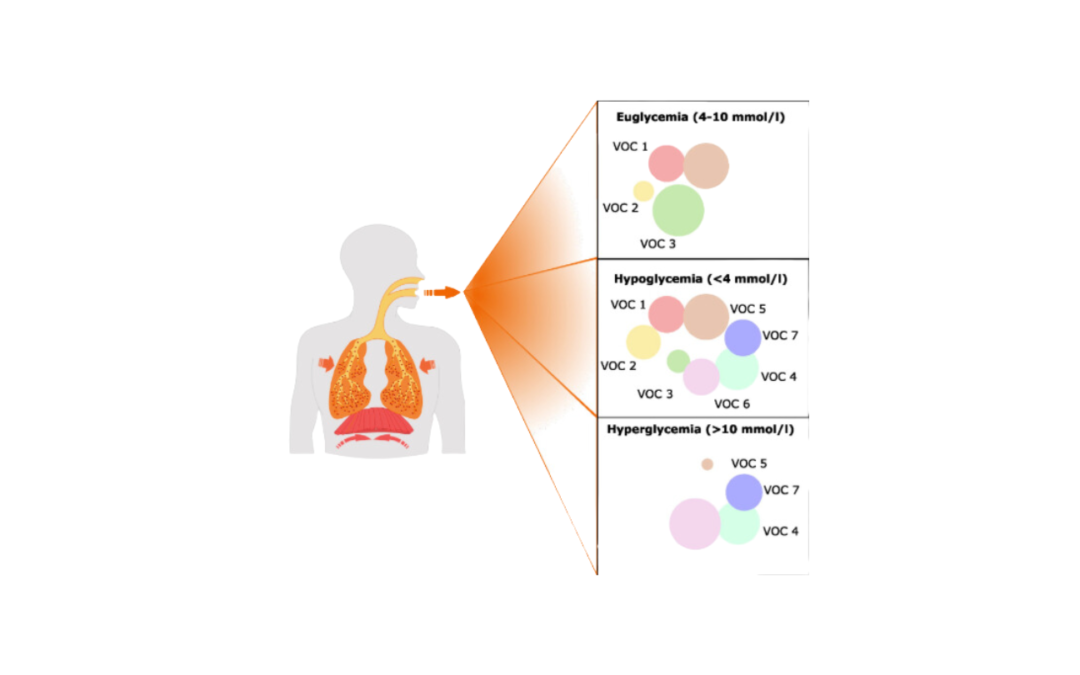
Volatile organic compounds and breath analysis in people with diabetes

Breath analysis in individuals with diabetes

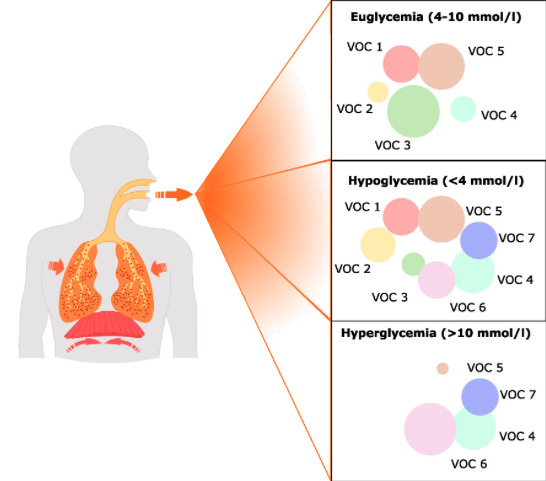
The main goal of this research area is to identify distinctive patterns of Volatile Organic Compounds (VOCs)s in breath and their dependence on blood glucose values in individuals with diabetes. VOCs are emitted by the human body, among which breath is the most important carrier. The breath contains a diverse array of VOCs that offer valuable insights into the body’s metabolic activities, including the glucose metabolism.

Project team: Prof. Lilian Witthauer, Prof. Markus Laimer

Funding: Diabetes Center Berne, University of Bern

Publications:
Nicolier C, Künzler J, Lizoain A, et al. Detection of hypoglycaemia in type 1 diabetes through breath volatile organic compound profiling using gas chromatography–ion mobility spectrometry. Diabetes Obes Metab. 2024; 1-8. doi:10.1111/dom.15944

More recent projects

Sign up for our newsletter
to receive the latest news.

* Pflichtfelder
DSGVO *

DCB Research AG

Freiburgstrasse 3
3010 Bern
Schweiz
The FibreGum study – Changing the course of obesity

The FibreGum study – Changing the course of obesity

The FibreGum study – Changing the course of obesity

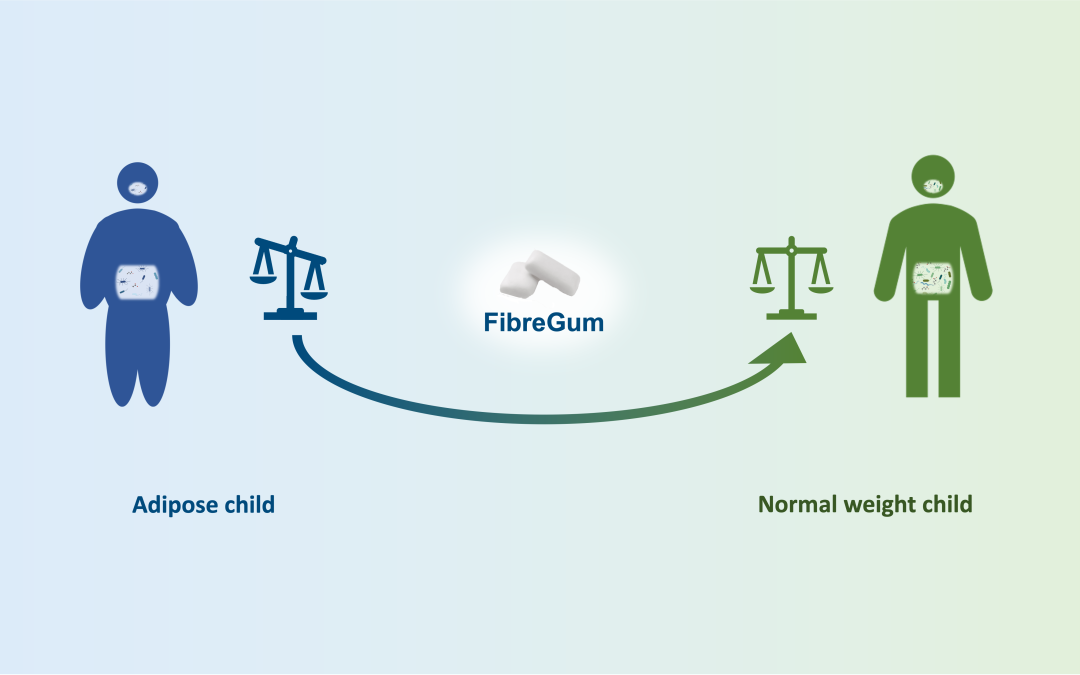
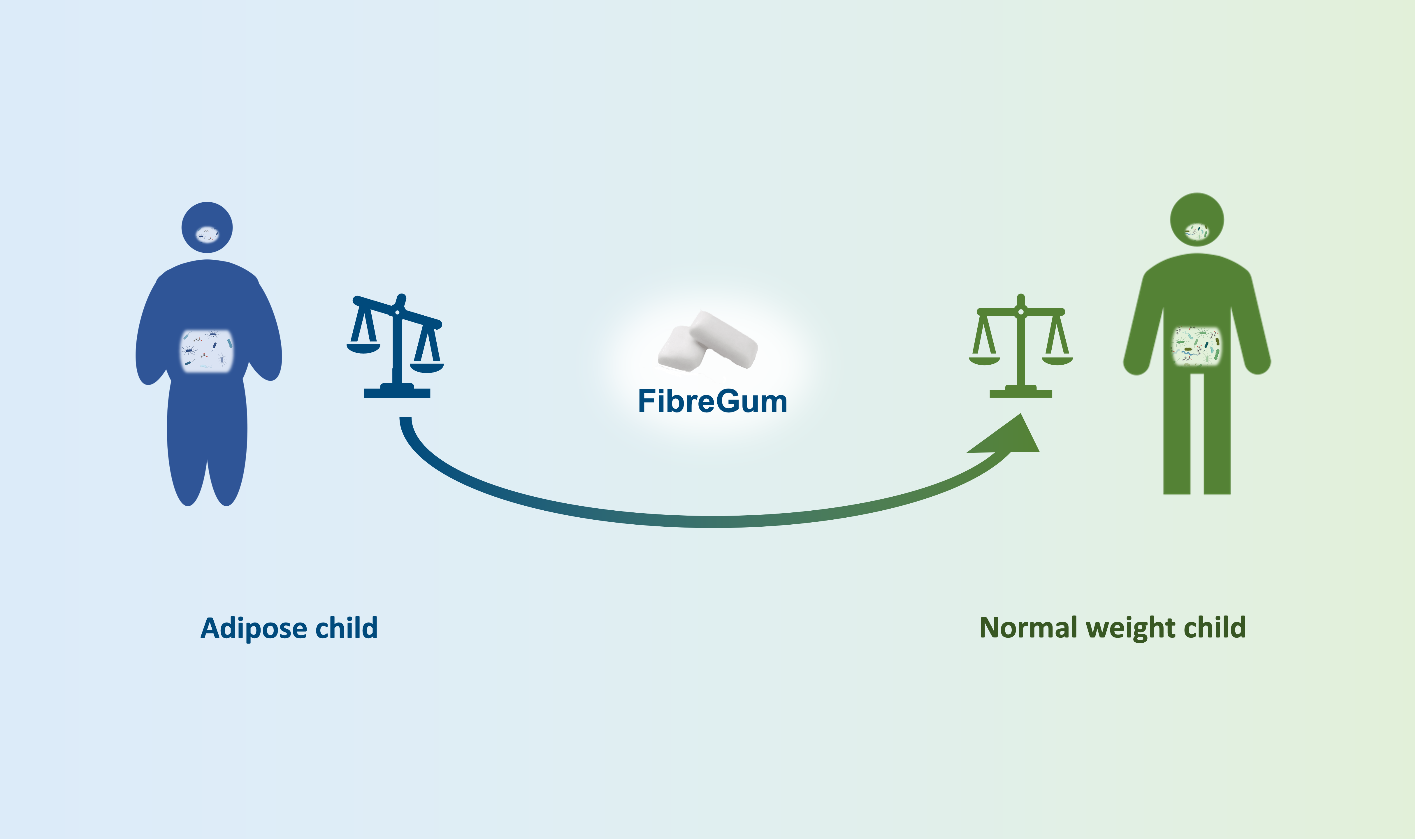
The goal of our study is to increase weight reduction in obese children and adolescents by stimulating the gut microbiome with a chewing-gum containing dietary fibres as an adjunct treatment to standard adiposity therapy.

Non-invasive and low-threshold treatments are needed to combat childhood obesity

Around one in six children in Switzerland is affected by overweight or obesity and the prevalence continues to rise. This increase in obesity and its associated comorbidities represents a huge socio-economic burden, as it leads to increased morbidity and mortality. Obesity is not only a chronic disease in itself, but also a major risk factor for the development of the world’s leading causes of poor health and early death; namely cardiovascular disease, various cancers, diabetes and osteoarthritis.

Preventing obesity in children and adolescents offers a unique opportunity to prevent the path to an unhealthy adult life. A low-threshold offer could be the key to success. For this reason, we have developed a chewing gum enriched with dietary fibre, the “FibreGum”, in cooperation with Delica AG. The aim of the FibreGum is to improve microbial diversity and promote beneficial metabolites while reducing snacking. To investigate the efficacy of this chewing gum, we are conducting a randomised placebo-controlled clinical trial with a cohort of 105 obese children and adolescents. Obese children and adolescents (age 10-16 years, >97th percentile) who would like to participate in the FibreGum study are welcome to ask their family doctor for a referral to the Adipositassprechstunde at the Kinderklinik Bern (http://www.kinderklinik.insel.ch/de/unser-angebot/adipositas/). All participants in the FibreGum study must attend the Adipositassprechstunde.

Project team: Prof. Dr. Maria Luisa Balmer, Inselspital (University Hospital of Bern) and University of Bern (leading the project); Dr. Christoph Saner, Children’s hospital, Inselspital (University Hospital of Bern); Dr. Marco Janner, Children’s hospital, Inselspital (University Hospital of Bern); Prof. Dominik Meinel, University of Applied Sciences and Arts Northwestern Switzerland; Dr. Alexandra Stähli, Zahnmedizinische Kliniken Bern (University of Bern); Valentina Huwiler, Inselspital (University Hospital of Bern) and University of Basel; Marie-Aline Gerard, Diabetes Center Berne; Dr. Pascal Müller, Eastern Switzerland Children’s Hospital, Adolescent Medicine, St. Gallen

Projekt team: Valentina Huwiler, Janina Zünd, Andrys Aardema
Funding: vonTobel Foundation, Pierre Mercier Foundation, Dürmüller-Bol Foundation, DCB

Prof. Dr. Maria Luisa Balmer is the head of the project.

More recent projects

Sign up for our newsletter
to receive the latest news.

* Pflichtfelder
DSGVO *

DCB Research AG

Freiburgstrasse 3
3010 Bern
Schweiz