SPN-005 – Pilot study on painless glucose monitoring

SPN-005 – Pilot study on painless glucose monitoring

SPN-005 – Pilot study on painless glucose monitoring

Towards painless, needle-free glucose monitoring for people with Type 1 Diabetes.

Project description:
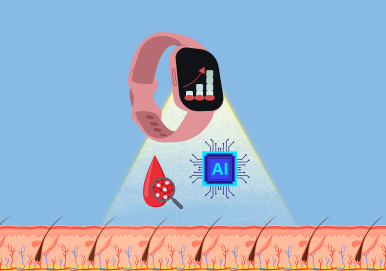
For people with Type 1 Diabetes, multiple daily finger pricks to check blood sugar levels are common practice. This project evaluates a novel non-invasive technology developed by Liom Health AG, which uses light and artificial intelligence to measure glucose levels through the skin in real time — without finger pricks.

Methodology:
In a pilot study with 21 participants, a carefully controlled sequence of blood glucose fluctuations was induced to assess the device’s accuracy. Conventional blood glucose measurements and continuous glucose monitoring (CGM) systems were used in parallel.

Results:
The device readings showed good agreement with established methods, with most measurements falling within clinically acceptable ranges. No health risks or technical issues were observed.

Conclusion:
The study indicates that painless glucose monitoring without fingersticks or CGM could be feasible. However, further research is required to improve accuracy and reliability before market readiness.

Partner: Liom Health AG (formerly Spiden AG), University Clinic for Diabetology, Endocrinology, Nutritional Medicine & Metabolism (UDEM)
Category: Clinical pilot study
Year: 2023-2024

More recent projects

Sign up for our newsletter
to receive the latest news.

* Pflichtfelder
DSGVO *

DCB Research AG

Freiburgstrasse 3
3010 Bern
Switzerland

AID-JUNCT study: GIP/GLP-1RA as Adjunctive to Automated Insulin Delivery

AID-JUNCT study: GIP/GLP-1RA as Adjunctive to Automated Insulin Delivery

AID-JUNCT study: GIP/GLP-1RA as Adjunctive to Automated Insulin Delivery

Findings from a prospective, randomized clinical study

Innovative approaches to combination therapy in type 1 Diabetes

Glycemic control in type 1 diabetes (T1D) remains a challenge, with ~32% of adults in Switzerland achieving an A1c target of <7%. The dual glucagon-like peptide-1 receptor agonists (GLP-1RAs) and glucose-dependent insulinotropic polypeptide (GIP)/GLP-1RAs has emerged as promising therapy in T1D. Retrospective studies have shown people with T1D can significantly improve glycemic control with a reduction in insulin dose and body weight when long-acting GLP-1RAs or GIP/GLP-1RAs are added to insulin therapy.

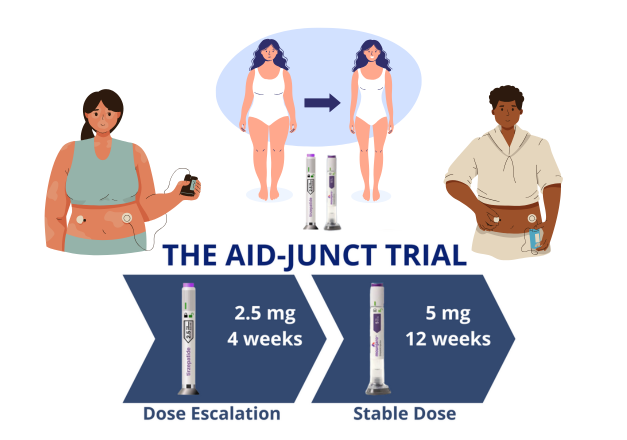
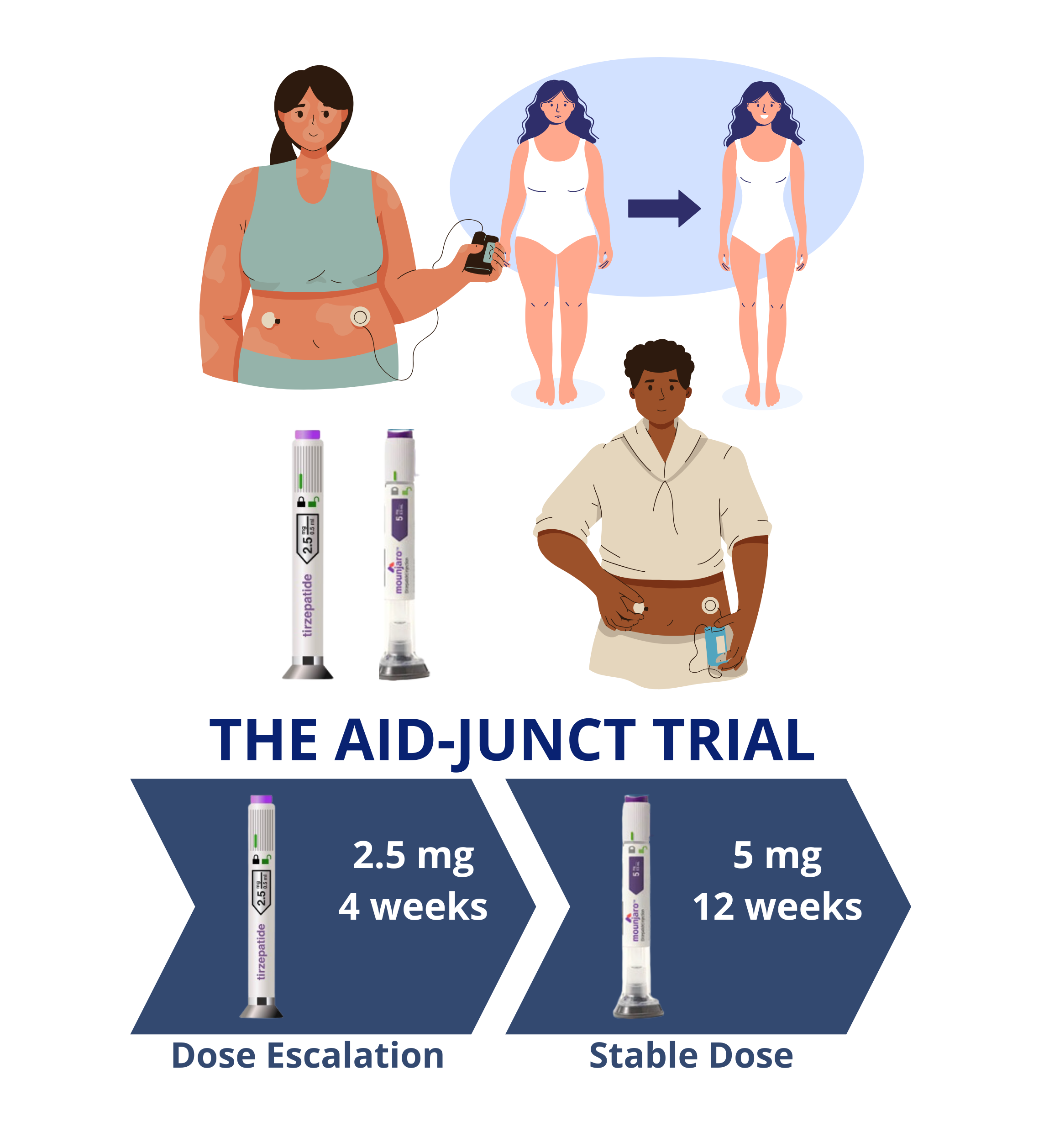
This study will assess glycemic control in people with T1D on a stable dose of long-acting GIP/GLP-1RA (Tirzepatide) as an adjuvant therapy to automated insulin delivery (AID). We are conducting a prospective, parallel, open-label, randomized clinical trial to test the hypothesis that available AID systems combined with GIP/GLP-1RA will lead to safe and more efficacious glycemic control than Standard of Care (SoC) during the assessment period. The outcome of this study will provide unique data about the safety and efficacy of using GIP/GLP1-RA as adjuvant therapy to AID systems.


Sponsor: Prof. José García-Tirado, PhD – University of Berne
Principal investigator: PD Dr. med. Thomas Züger, Chief Physician – Kantonsspital Olten
PhD student: Dr. med. Maria Carolina Fragozo-Ramos
Funding: Internal funds

More recent projects

Sign up for our newsletter
to receive the latest news.

* Pflichtfelder
DSGVO *

DCB Research AG

Freiburgstrasse 3
3010 Bern
Switzerland

Obesogenic microbiota Project

Obesogenic microbiota Project

Obesogenic microbiota Project

Exploring the connection: obesity, gut microbiome, and metabolic health

Cause and effect relationship between obesity and gut microbiome

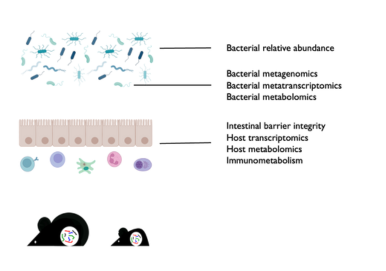
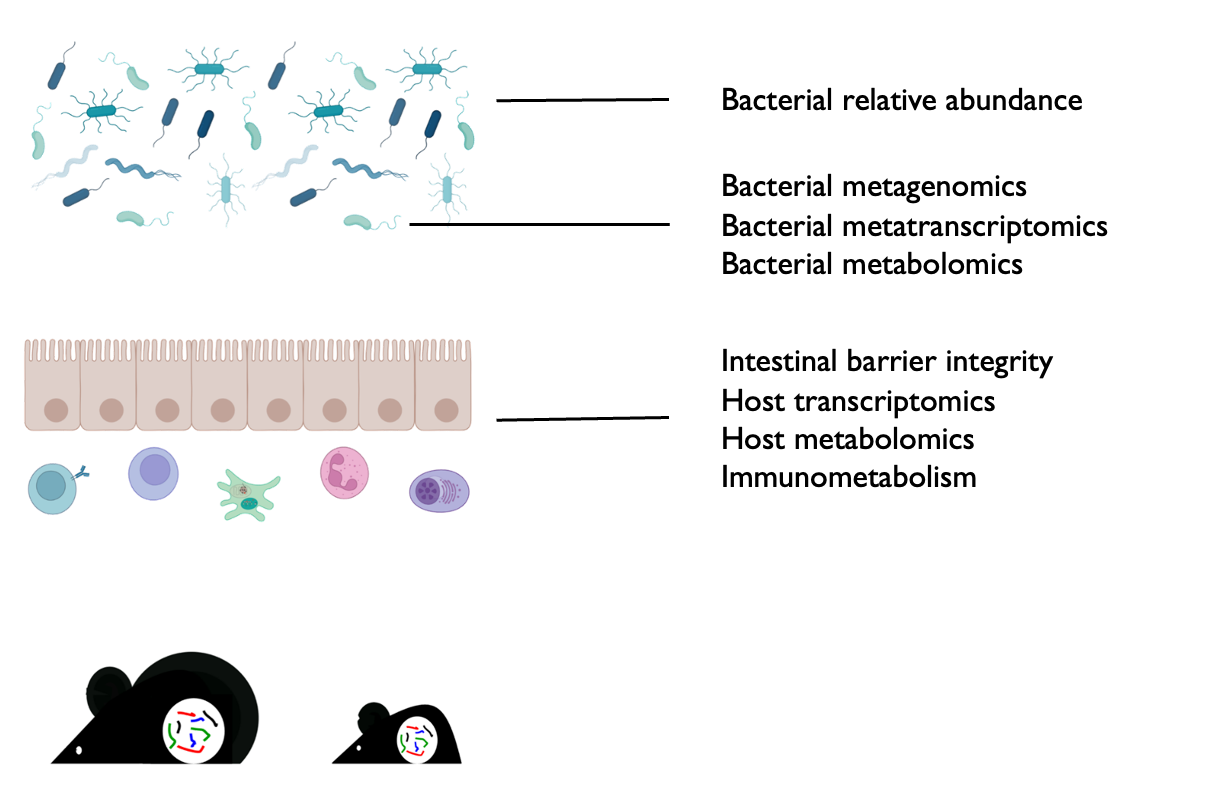
Global rises in metabolic diseases such as obesity and diabetes pose severe medical and socio-economic threats, influenced by a variety of both genetic and environmental factors. Chronic inflammation links these diseases, suggesting an impact on the immune system. The human intestinal flora, especially the metabolic products it produces, appear to play a role in the development of obesity and diabetes.

To understand the underlying mechanisms, our project utilizes innovative methods (gnotobiotics, metagenomics and metabolomics) to explore the relationship between gut flora, metabolism and immune function. By unraveling these relationships, we aim to lay the foundation for innovative strategies to prevent and treat these diseases.

Project team: Melanie Scalise, June Stone
Funding: SNSF

More recent projects

Sign up for our newsletter
to receive the latest news.

* Pflichtfelder
DSGVO *

DCB Research AG

Freiburgstrasse 3
3010 Bern
Switzerland

Bacterial metabolites modulating Immune Function

Bacterial metabolites modulating Immune Function

Bacterial metabolites modulating Immune Function

Exploring microbial metabolites and immune activation

Unveiling the role of bacterial metabolites in dendritic cell function

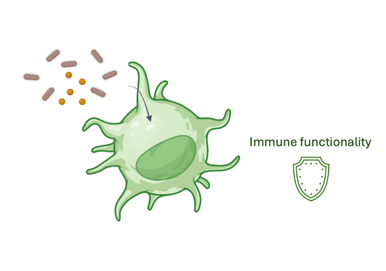
The human gut microbiota, a complex and dynamic community of microorganisms residing in our digestive tract, plays a pivotal role in health and disease. Emerging research reveals a fascinating interplay between the gut microbiota, the immune system, and metabolism. The gut microbiome engages in a constant dialogue with immune cells, educating and regulating them, which in turn maintains gut health and guards against pathogens. This project aims to unravel the hidden mechanisms underlying the interactions between bacterial metabolites in the microenvironment and the activation of immune cells, by in particularly focusing on the impact of bacterial metabolites on dendritic cell metabolism and biological function. Preliminary data showed that bacterial metabolites are highly produced by bacteria expanding logarithmically and it can be sensed by DCs, fueling their activation. A lot of questions have still to be answered…

Project team: Andrea Celoria
Funding: SNSF

More recent projects

Sign up for our newsletter
to receive the latest news.

* Pflichtfelder
DSGVO *

DCB Research AG

Freiburgstrasse 3
3010 Bern
Switzerland

Wound Infection Project

Wound Infection Project

Wound Infection Project

Understanding immune dysregulation in obesity and diabetes

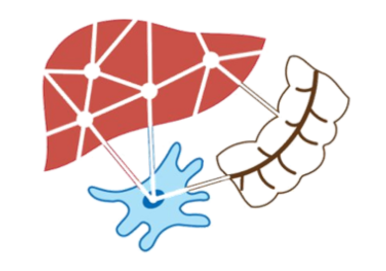
Obesity and diabetes, which are both rapidly increasing in prevalence world-wide, are considered multifactorial in their pathogenesis, including genetic and environmental factors. Amongst the latter, the gut microbiota and bacteria-derived metabolites have been described to contribute to disease development. Obesity and diabetes are both characterized by a chronic low-grade inflammatory state (“metaflammation”). However, despite the chronic immune activation, obese and diabetic patients are considered immunosuppressed leading to an increased risk for and inferior outcome during infections. This results in increased morbidity and mortality. 

The mechanisms leading to immune dysfunction and increased infections in obesity and diabetes are unclear and the main focus of this project. 

Projekt team: Marzia Burgunder, Yousef Maali, Andrea Celoria, Melanie Scalise
Funding: Helmut Horton Foundation

More recent projects

Sign up for our newsletter
to receive the latest news.

* Pflichtfelder
DSGVO *

DCB Research AG

Freiburgstrasse 3
3010 Bern
Switzerland