DCB Newsletter #14/23: IT’S A WRAP! A Recap of the 2023 DCB Open Innovation Challenge

DCB Newsletter #14/23: IT’S A WRAP! A Recap of the 2023 DCB Open Innovation Challenge

Dear community – We are happy to provide you with a new episode of our newsletter series and give you some insights into our DCB Innovation Challenge. Enjoy the read!

The DCB Open Innovation Challenge

The DCB Open Innovation Challenge is an opportunity for anyone with an innovative solution to change diabetes management. It only takes an idea to participate for anyone – whether a healthcare professional, a start-up, a person living with diabetes or others. Those who share their ideas receive sparring and feedback from experts. It all culminates in the DCB Start-Up night, where we award the winners for both categories. The DCB Open Innovation Challenge award is one of the world’s most generous and renowned diabetes-related awards.

This year, incredible 66 ideas were submitted to the challenge, with three finalists in each category. These six finalists from the U.S., the U.K., Switzerland, Ireland, South Africa and France pitched their projects live on stage in Bern in front of 300 guests and an international jury, who then chose the winner of each category.

But how exactly did we get here and what did the DCB Open Innovation Challenge look like? Read all about the journey below.

Our Top 20 in the Categories “Diabetes Devices” and “Digital Diabetes”

Before we were able to select our top 3 in each category to travel to our bootcamp and the much-anticipated DCB Start-Up Night, we selected our Top 20 per category:

Top 20 Diabetes Devices

Top 20 Digital Diabetes

The Top 20 of each category received mentoring from chosen experts of our network on various topics, ranging from co-creation experts to regulatory specialists. Additionally, we hosted a Pitch Training session before their big Pitch Day, where they could network and learn from our experts as well as their peers about how to improve their pitch and convince our jury. 


The Innovation Bootcamp – 4 intense days of learning and networking in the Swiss Alps 

To get ready for the DCB Start-Up Night with pitches and winners’ celebrations, we took all six finalists to a bootcamp in the Swiss Alps. Over the course of four days, we spent our time 1300 meters above sea level with a stunning view and mentoring, pitch training, 1:1 coaching, filming image videos (which were played during the Start-Up Night and we can’t wait to show you soon here on LinkedIn!) and of course, with many fruitful discussions and lots of networking.

But see for yourself! Our friends at Newsroom Communication were with us every step of the way and prepared a highlight clip to give you a glimpse behind the scenes:

The Winners of 2023

On November 9, this year’s DCB Start-Up Night and Award Ceremony of the Open Innovation Challenge 2023 took place. After an exciting evening of pitching, an international jury chose the winners of the third edition of the Open Innovation ChallengeThe first prizes of 100.000 USD in funding and in-kind support each went to MYNERVA (Switzerland) in the category Diabetes Devices and to Spotlight-AQ (U.K.) in the category Digital Diabetes.

MYNERVA, winner of the category Diabetes Devices, is developing a unique wearable device for people living with diabetic neuropathy. The device restores the sense of touch and decreases pain through a non-invasive electrical nerve stimulation driven by AI algorithms.
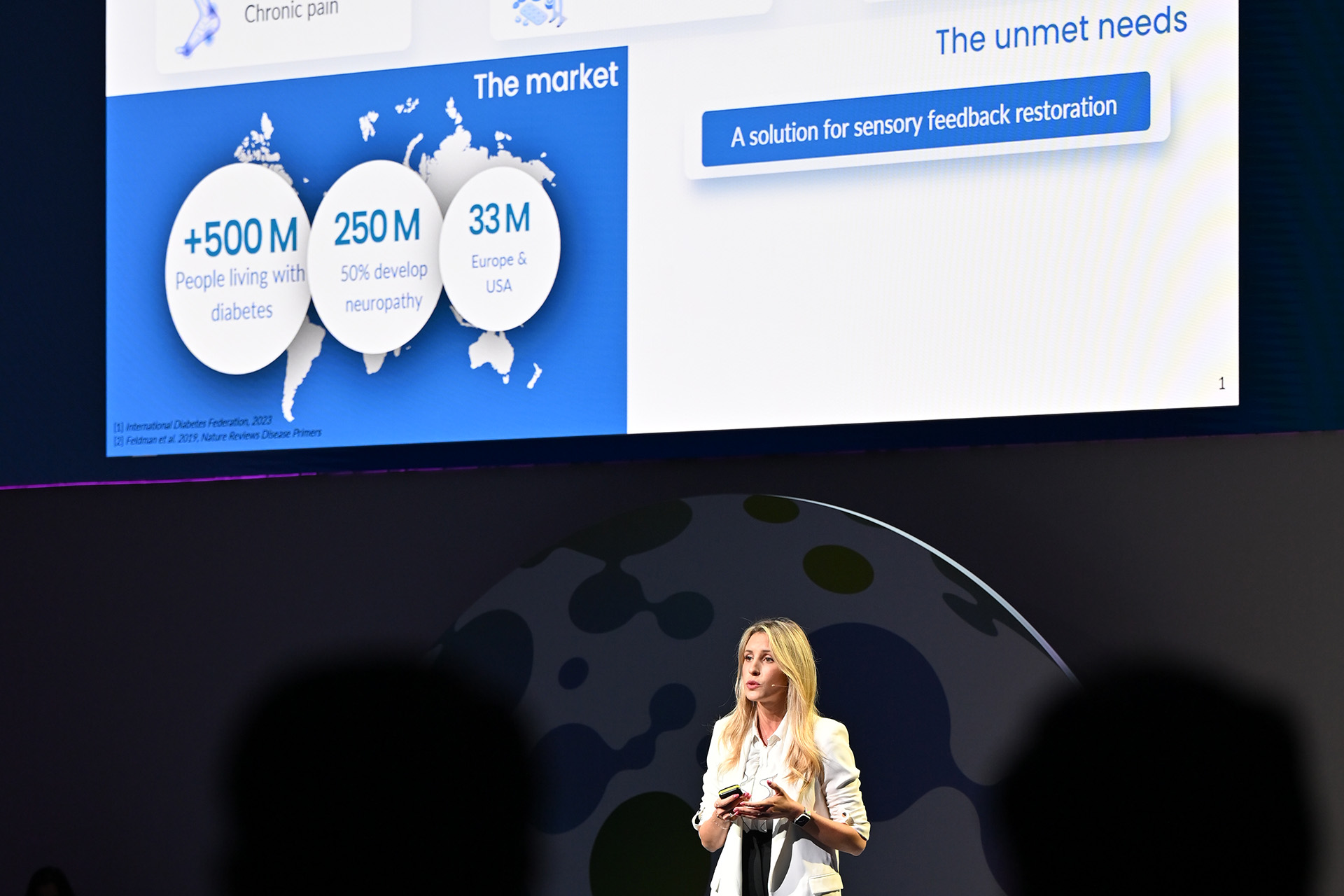
In her pitch, CEO Greta Preatoni emphasised the impact this can have on people’s quality of live, giving them back the ability to walk with more ease and without pain. After winning first place for Diabetes Devices, she shared:

“This was an amazing experience which brought us not only the win, but so many opportunities for development in the future. We are already thinking about how to implement not only the money that comes with the prize, but also the network that comes with it.”

Spotlight-AQ, winner of the category Digital Diabetes, is on a mission to improve routine visits by helping people with diabetes to feel heard and doctors feel empowered to care. It is a novel validated infographic assessment platform highlighting user priority concerns and immediate mapped resources to meet those unmet needs.
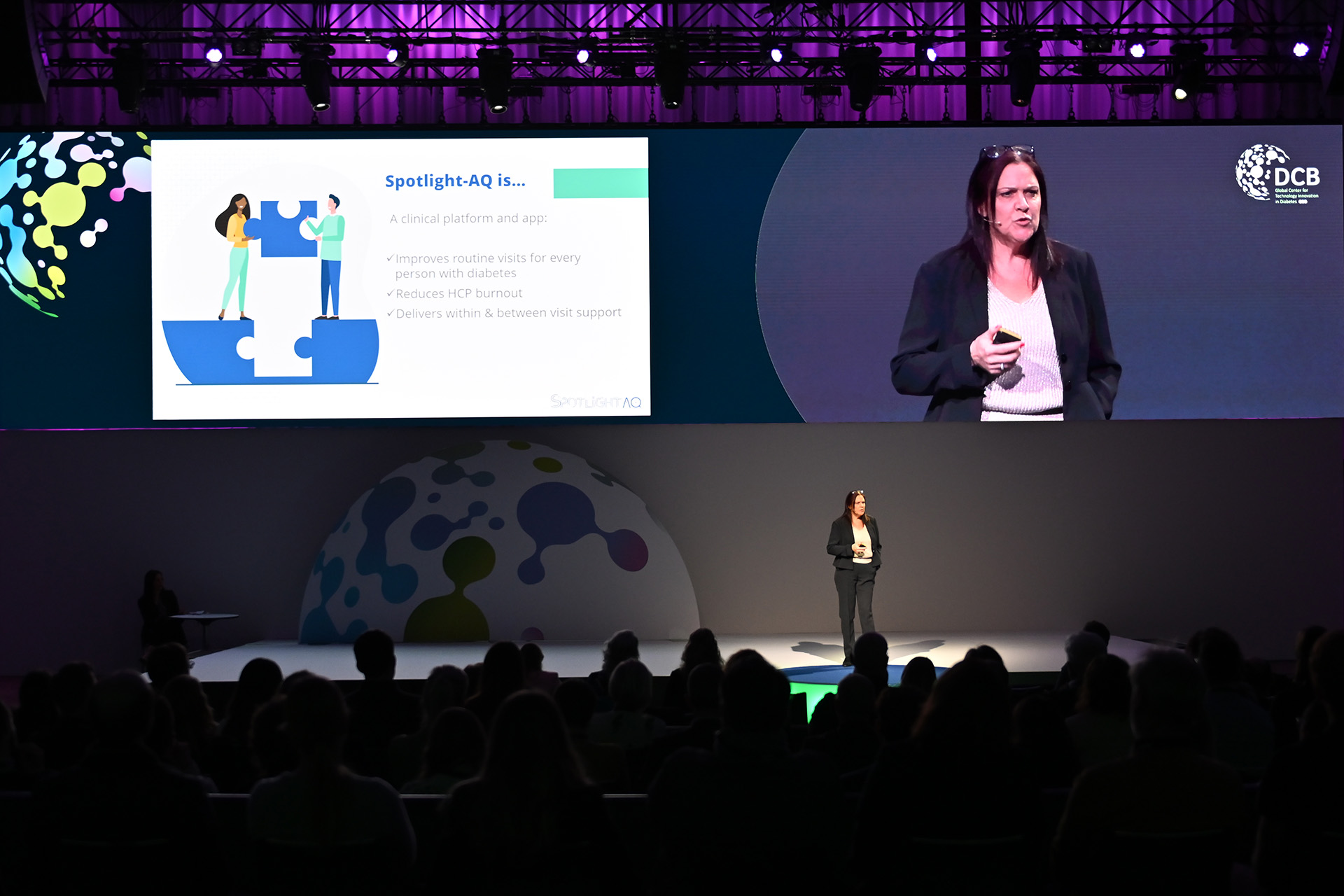
In her pitch, CSO Katharine Barnard-Kelly PhD emphasised the role this can play within the constraints of existing healthcare systems and structures, benefiting people with diabetes, while reducing burnout among treating physicians.  After winning first place for Digital Diabetes, she shared:

“Winning the DCB Open Innovation Challenge means everything to us! We were really surprised, we are thrilled and it is vindication for the fact that psychosocial aspects of diabetes are so important and can be delivered in routine care.”

While the winners of the challenge received 100,000 USD in funding and in-kind support, the four remaining finalists – Fada Medical, ECLYPIA, Gluroo Imaginations Inc. and Africa Diabetes Chat (by Sweet Life Diabetes Community) – received 20.000 USD each, consisting of 10.000 USD in funding and 10.000 USD in-kind support.
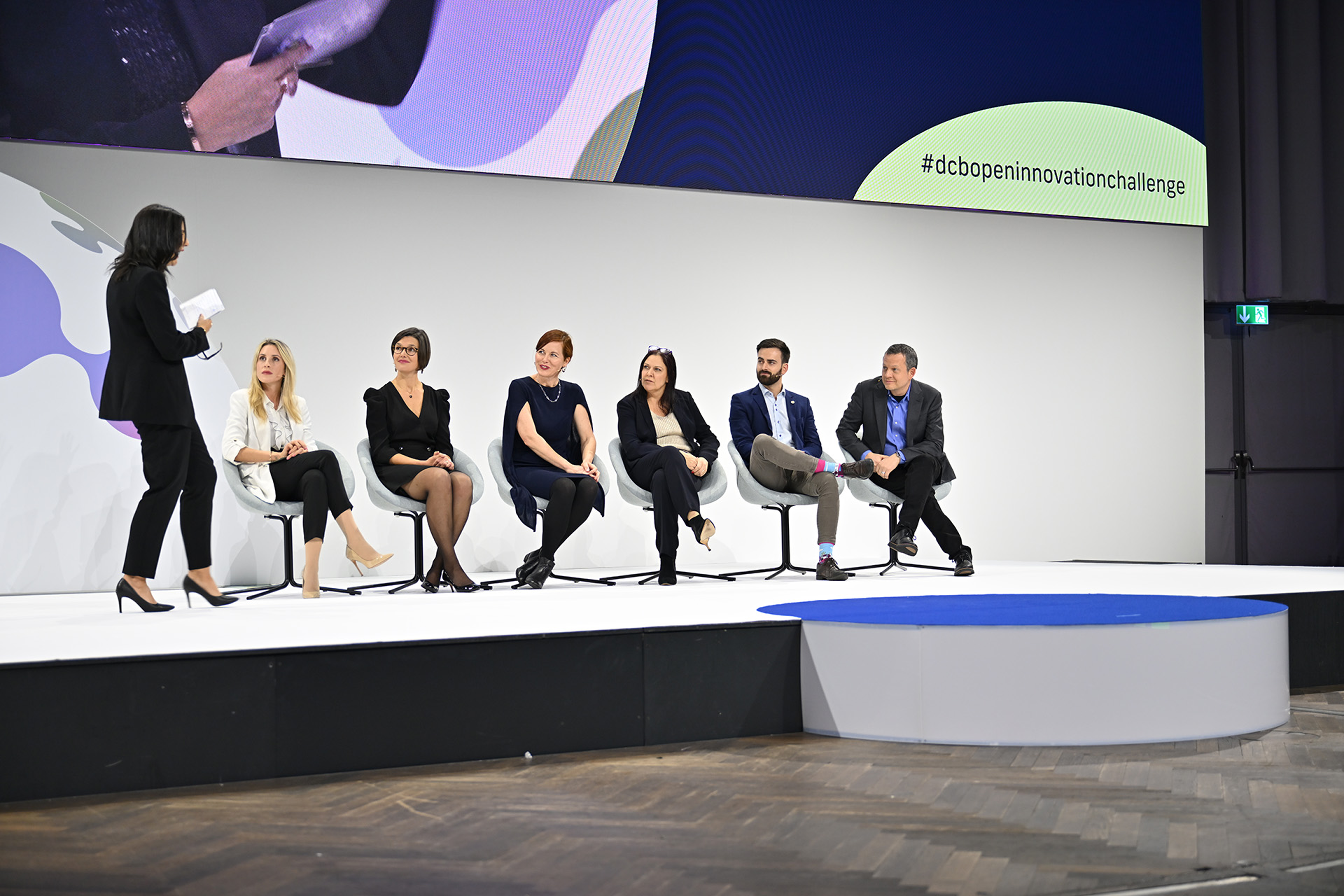
All 6 finalists on stage with host Renza Scibilia

It’s been a wonderful few months with the cohort of this year’s DCB Open Innovation Challenge and we are already eagerly awaiting next year’s! As Katharine Barnard, winner of the category Digital Diabetes put it:

“My experience with the DCB Open Innovation Challenge was exciting, intense, terrifying and just so much fun! It’s been an absolute blast and I’ve learnt so much.”

Now it’s your turn – it’s never too early to start brainstorming ideas for the next challenge. We’re excited to see what you come up with!”

Thanks so much for reading and we’ll provide you with the next episode of this series soon!

This edition was authored by Svea Krutisch, Digital Communications Specialist at DCB.

This post was previously published in Linkedin. Click here to see the original publication.

More recent news

Sign up for our newsletter
to receive the latest news.

* Pflichtfelder
DSGVO *

DCB Research AG

Freiburgstrasse 3
3010 Bern
Switzerland

DCB Newsletter #13/23: INSIDE DCB – Interview with Maria Luisa Balmer

DCB Newsletter #13/23: INSIDE DCB – Interview with Maria Luisa Balmer

Dear Community,

we are thrilled to present you with the next episode of our series “INSIDE DCB” – this time, with an interview with Maria Luisa Balmer, who was just recently awarded with the Marie Heim-Vögtlin Prize. Enjoy the read!

“We are laying the foundation for innovative therapies in diabetes.”

Maria Luisa Balmer has been an assistant professor at the University of Bern and University Hospital of Bern and at the DCB (Diabetes Center Berne) since 2021. Together with her team, she researches the complex pathologically altered bodily functions (pathophysiology) and connections between the intestinal flora, metabolism and inflammation. 

Prof. Dr. Balmer, what is your research about? 

We want to understand in more detail how the gut microbiota contributes to people becoming obese, or not. The gut microbiota refers to a group of tiny organisms, mainly bacteria, that live in our gut and play an important role in digestion and health. We are interested in the following questions: Which bacteria are beneficial? Which ones are more likely to contribute to the development of obesity (severe overweight, from body mass index 30) and the associated complications such as diabetes or liver disease? And why is this so? Are there certain metabolic products with which the intestinal bacteria influence our metabolism? These are all questions that occupy us in the team and which we approach in very different ways.

What motivates you to work in the field of obesity and diabetes 

Obesity and type 2 diabetes have become a pandemic that is spreading ever faster. Whereas in the past it was mainly the industrialised nations that were affected, today it is also affecting countries that previously had to struggle with the opposite, namely malnutrition and underweight. I am also concerned that more and more children and adolescents are affected by obesity. Despite many efforts in the area of prevention and therapy, there are more and more overweight people, with the corresponding health consequences. 

What is your biggest challenge as a professor?

As a researcher, doctor and mother of two children, my everyday life is incredibly varied, diverse and occasionally a little chaotic. I find the balancing act between all my different activities very challenging, but at the same time enriching. The biggest challenge is probably not to miss out myself 

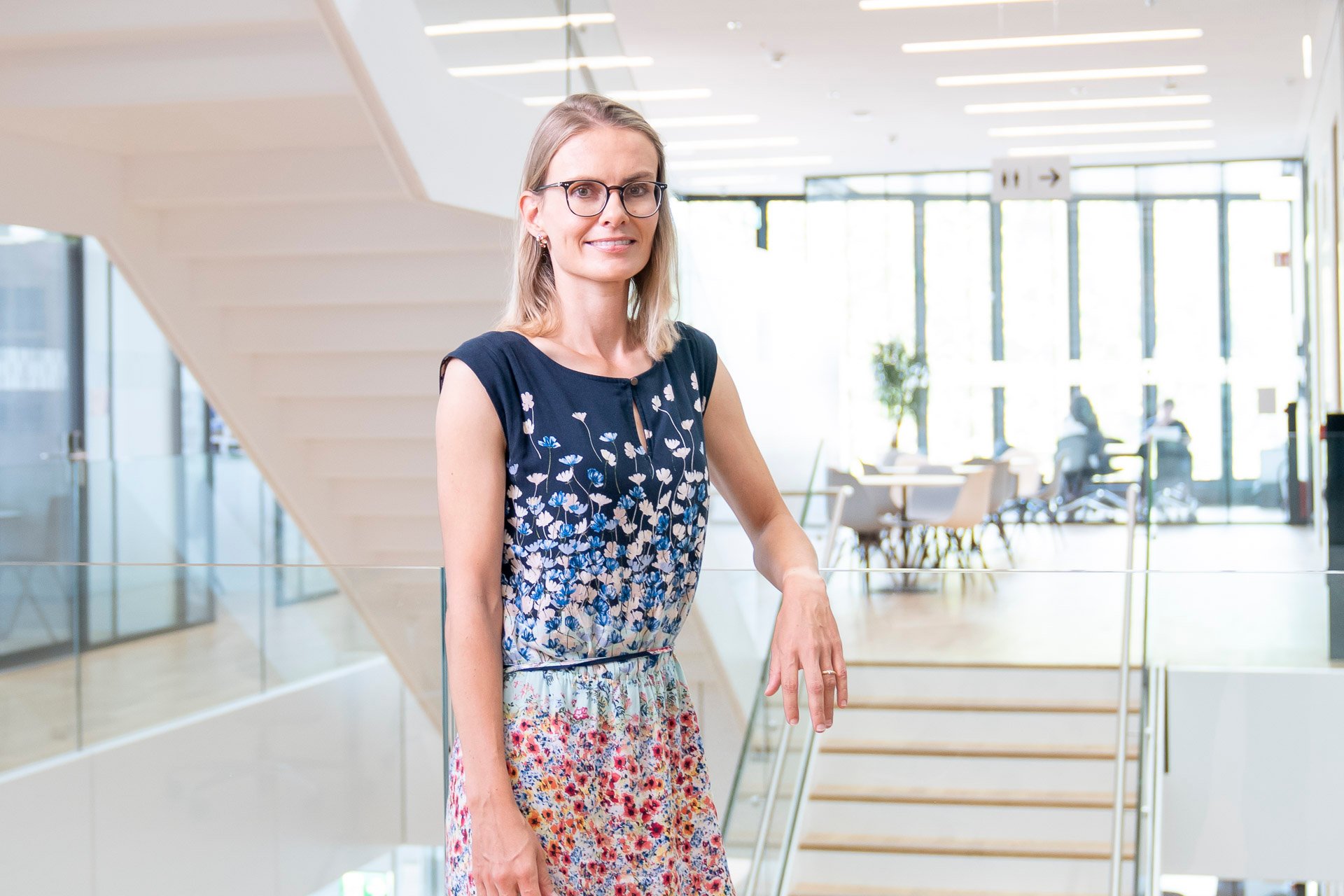
Prof. Dr. Maria Luisa Balmer. Photo: Sina Lou Ravasio

What goals do you want to achieve with your team and your laboratory, the TrIm-Lab (Translational Immunometabolism Lab)? 

My goal with my research is to contribute to a better understanding of the mechanistic connections between the gut microbiota and the development of obesity and metabolic complications, and thus to gain new approaches to prevention and therapy. At the same time, it is important to me to be a role model for the next generation of young scientists and to show that becoming a professor is a realistic goal, even for people who have other priorities in life, such as a family 

What projects are you currently researching and how can they make life easier for people with diabetes? 

Our research is incredibly broadfrom mouse experiments to clinical trials. For example, we work with mice in which we can precisely control the composition of the intestinal bacteria and thus find out which bacteria contribute to the development of obesity. On the other hand, we are currently running a clinical trial called FibreGum with obese children and adolescents, in which we are testing a special chewing gum that contains dietary fibres. We hope that this will have a favourable influence on the composition of the intestinal microbiota and that we will be able to support the children in losing weight in a low-threshold way.

How do you work with the DCB? 

My research laboratory and my office are located at the DCB and I very much appreciate the fruitful collaboration. In addition to the infrastructure, the DCB also actively supports us in conducting clinical trials. The familiar and friendly environment is inspiring and a prerequisite for successful research 

Where do you hope your field of research will be in 5-10 years? What is your vision? 

I hope that we will understand more precisely how bacterial metabolism integrates with human metabolism and that this knowledge will benefit our patients in a personalised form. My vision is to fight diseases like obesity and diabetes, not only in the rich industrialised nations, but worldwide.  
 

You recently received the Marie Heim-Vöglin Prize, awarded by the Swiss National Science Foundation (SNSF). What pleased you most about this award? 

For me, this prize is primarily a huge recognition, which of course makes me incredibly happy. It is wonderful that my research has met with such broad interest and that it has now found its way into the public eye through this prize. The response has been incredible and has touched me very much. I hope that this will motivate many young researchers to continue on their path.  I will also continue my efforts to contribute to the fight against diseases such as obesity and diabetes. 

About Maria Balmer 

Maria Luisa Balmer is SNSF professor and research group leader at the University and Inselspital Bern. With her team at the DCB, she researches the connection between the microbiota, metabolism and the immune system in the context of obesity and diabetes. She is a specialist in general internal medicine and works in the osteometabolic consultation at the University Clinic for Endocrinology and Diabetology in Bern. Her goal is to fundamentally research the mechanisms and consequences of obesity and diabetes and thereby lay the foundation for innovative therapiesIn addition, Maria Luisa Balmer is the winner of the Marie Heim-Vögtlin Prize 2023, awarded by the Swiss National Science Foundation (SNSF) for her research on intestinal bacteria and their role in the development of diabetes and morbid obesity. 


Thanks so much for reading and we’ll provide you with the next episode of this series soon!

This edition was authored by Sunjoy Mathieu, Communication Manager at DCB.

This post was previously published in Linkedin. Click here to see the original publication.

More recent news

Sign up for our newsletter
to receive the latest news.

* Pflichtfelder
DSGVO *

DCB Research AG

Freiburgstrasse 3
3010 Bern
Switzerland

DCB Newsletter #12/23 – Inside EASD: DCB in the Innovation Zone 

DCB Newsletter #12/23 – Inside EASD: DCB in the Innovation Zone 

Dear community – We are happy to provide you with a new episode of our newsletter series and give you some insights into our recent trip to the conference of the European Association for the Study of Diabetes (EASD). Enjoy the read!

From sunny mornings to windy afternoons and rainy nights – our DCB activities at EASD were just as versatile as Northern German weather in early October. However, unlike the ever-changing German weather, our activities and services all boil down to one goal: To bridge the gap between research, industry and those living with diabetes. Scroll below to get a glimpse into what that looked like at EASD! 

DCB in the Innovation Zone 

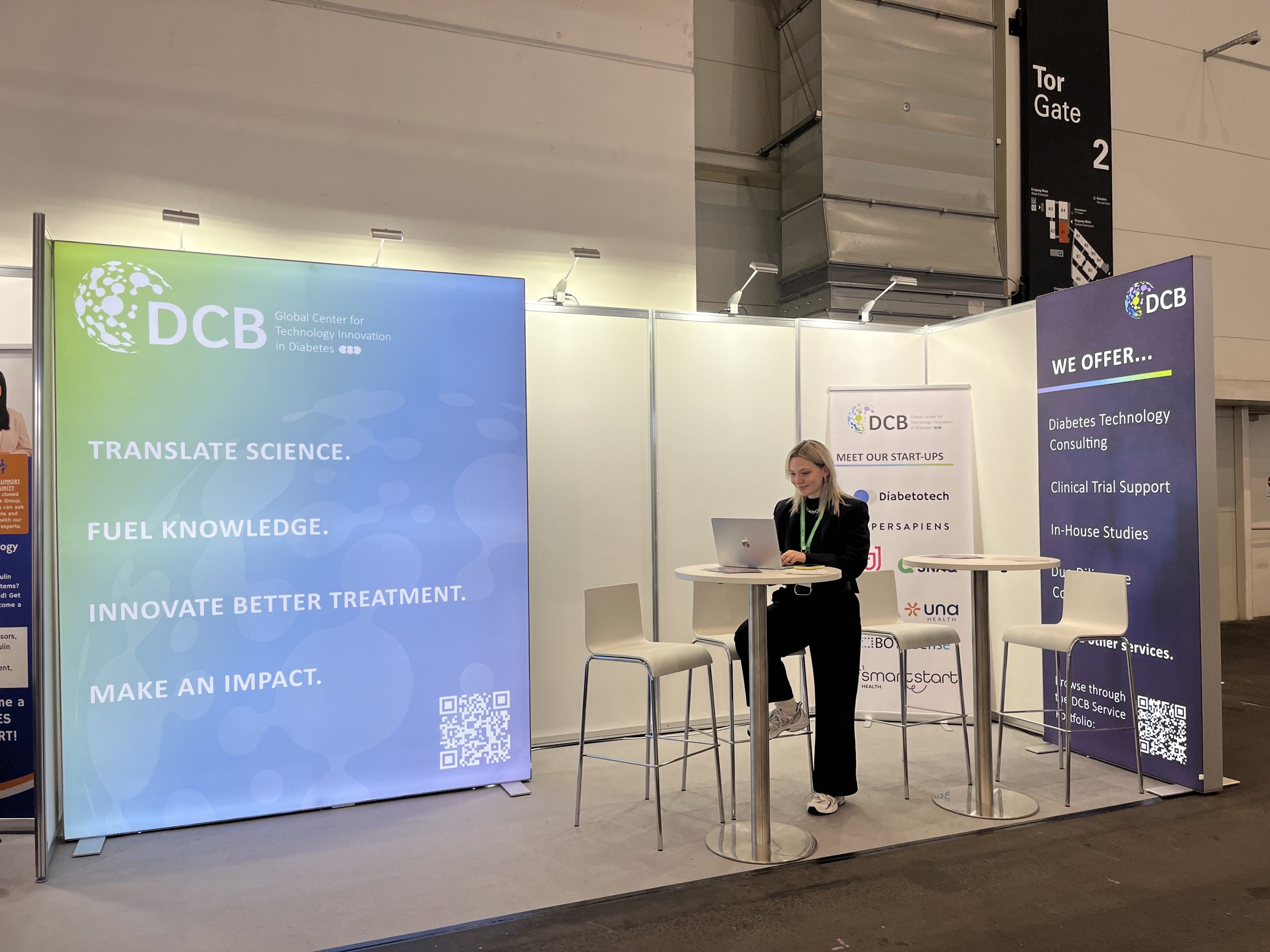
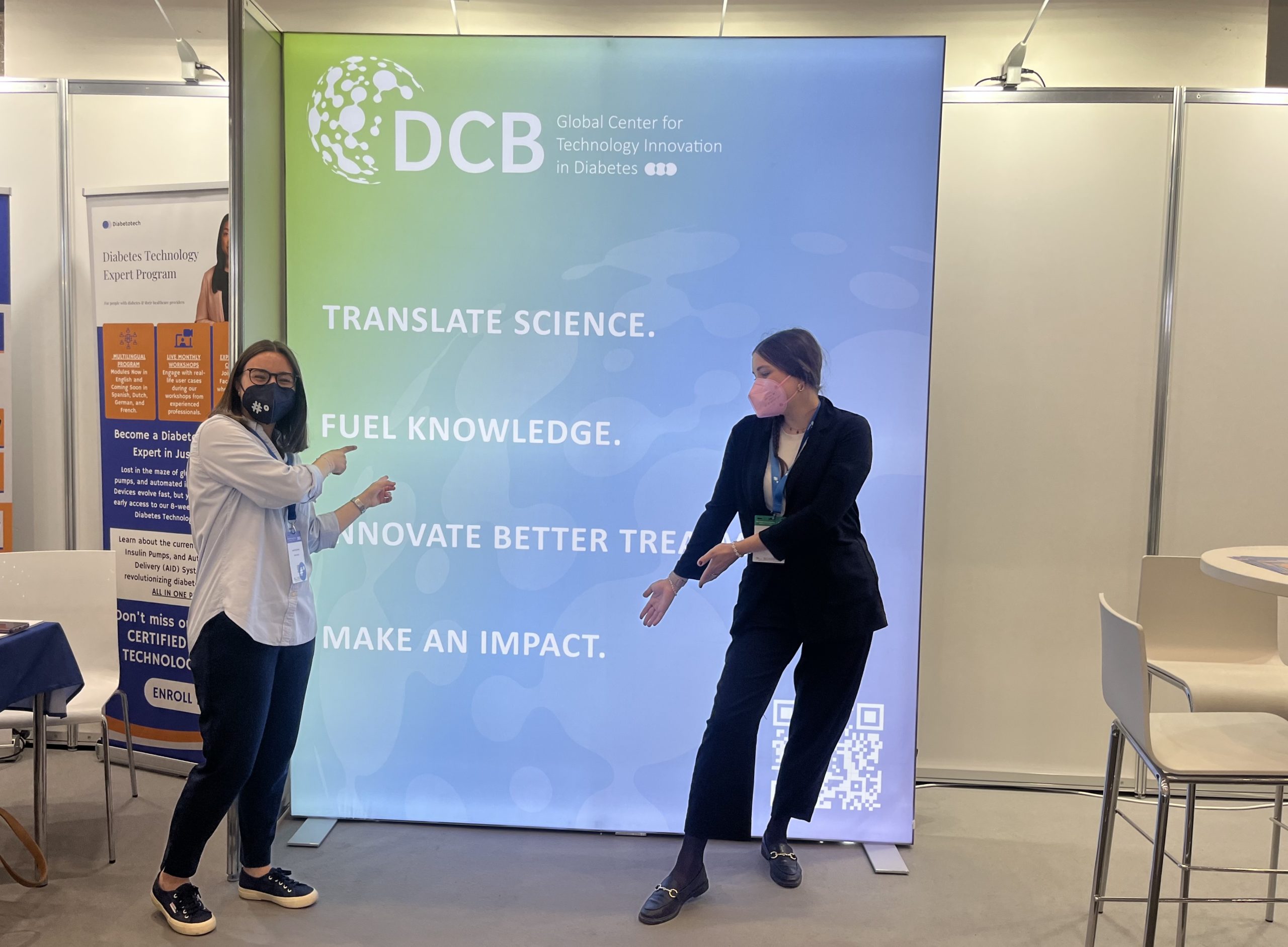
We were proud to introduce our very first DCB Innovation Booth at EASD. Located right under the sign for the “Innovation Zone” of the Industry Exhibition, we hosted a space for our start-ups and anyone who was interested in our activities and services. We were very happy to see many of our supported start-ups on-site and be able to provide them with a meeting point for discussions, potential deals and coffee breaks. 

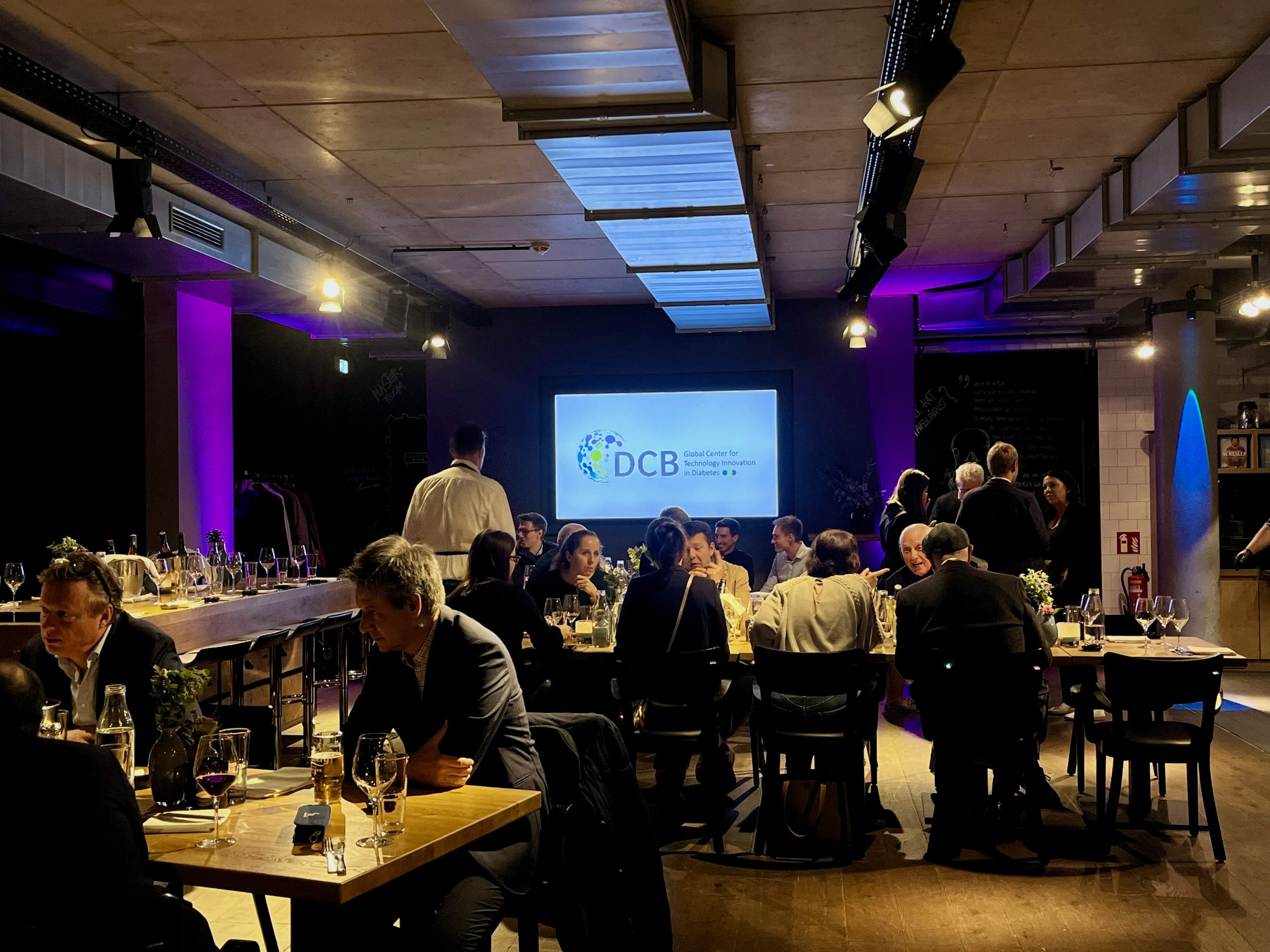
DCB Dinner @ Hensslers Küche 

We have been hosting dinners at the major EASD and ATTD conferences for two years now. Our objective for these dinners reflects our vision and mission: To make life better for people with diabetes, by bridging the gap between industry, research, start-ups and people living with diabetes. We all know that sometimes, the best deals are made over good food and drinks!  

This year, we were honored to host it at Hensslers Küche in the heart of Hamburg – with live cooking and lots of delicious sushi, many important conversations were had which may or may not have led to new ideas and business deals. 

#NothingAboutUsWithoutUs: DCB Patient Leaders at EASD 

At DCB, we are happy to have established an international and ever-growing community of people living with diabetes all over the world. Two of our patient leaders – Laura Burlando from Switzerland and Lea Raak from Germany – also attended EASD and stopped by our innovation booth. In the end, we can only fuel knowledge and truly make an impact if we give all parties a seat at the table. Or in this case: at the innovation booth. 

EASD Topics: New Technologies, Mental Health & Lived Experience 

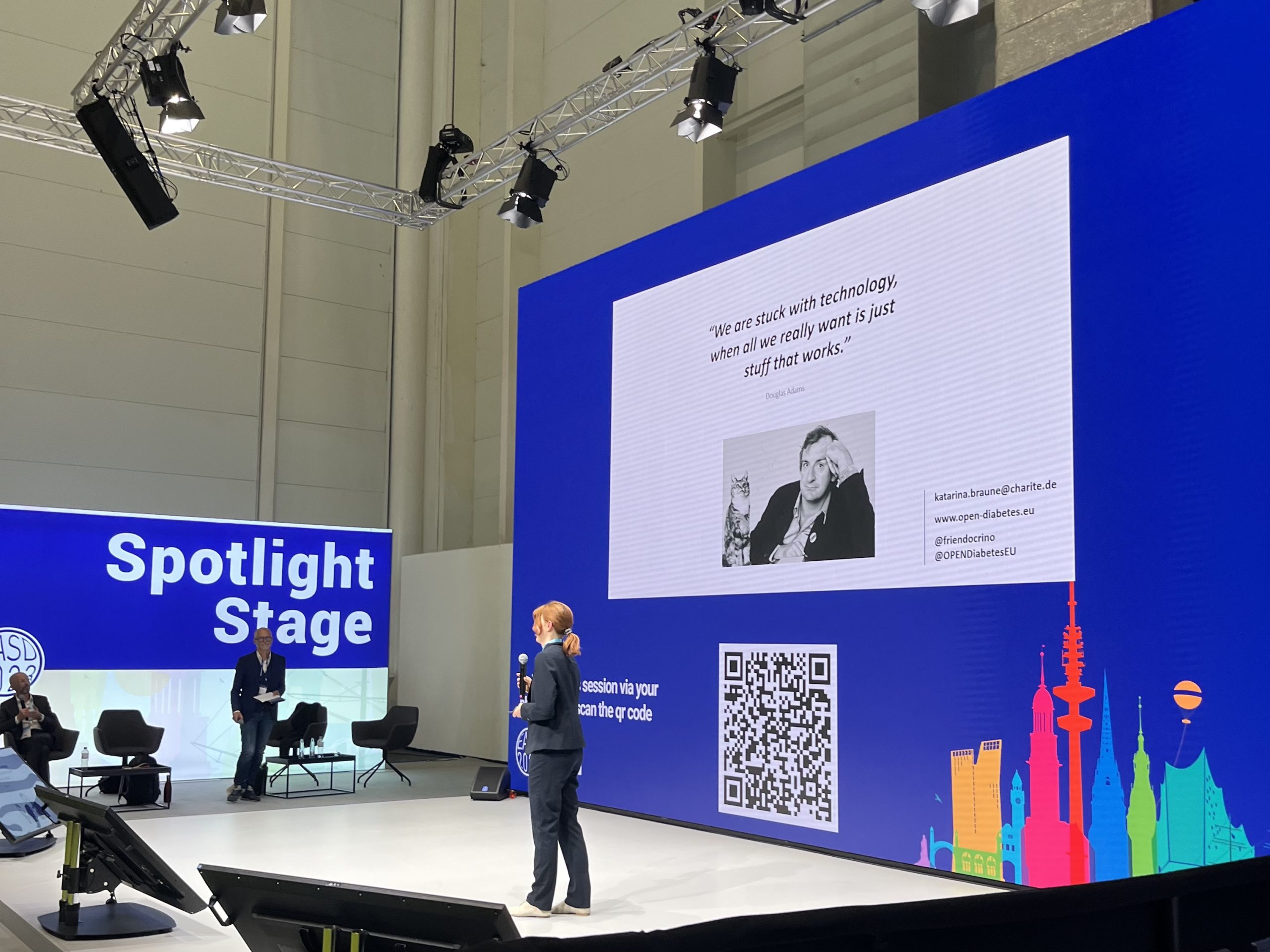
Among the many important topics discussed at EASD – from islet cell transplants to new insulin pump technologies and the impact of mental health – we were excited to be involved in one topic specifically: the importance of including perspectives of lived experience in research and product development. Dr. Katarina Braune, member of our DCB Open Innovation Challenge jury and long-time DCB affiliate, presented results of the DIWHY study conducted within the OPEN project of which we were a consortium member – providing insights into the motivations of people living with diabetes to start on Automated Insulin Delivery systems and their feedback on such. Even though research and product development are moving more and more towards participatory processes, the outcome often still disappoints those living with diabetes and using the technologies. 

We were delighted to see lived experience and the topics of unmet needs, stigmatisation and the different perspectives of all moving parts of the healthcare system represented in many sessions – among others those of #dedoc°, International Diabetes Federation Europe and diaTribe.  


We at DCB thank all researchers, industry professionals, entrepreneurs and people living with diabetes who continue to speak on these intersectional topics vital for technology innovation. We had a great time with all of you and we are looking forward to the next conference already! 

Thanks so much for reading and we’ll provide you with the next episode of this series soon!  

This edition was authored by Svea Krutisch, Digital Communications Specialist at DCB. 

This post was previously published in Linkedin. Click here to see the original publication.

More recent news

Sign up for our newsletter
to receive the latest news.

* Pflichtfelder
DSGVO *

DCB Research AG

Freiburgstrasse 3
3010 Bern
Switzerland

DCB Newsletter #11/23 – Patient and Public Involvement

DCB Newsletter #11/23 – Patient and Public Involvement

Dear Community – We are happy to provide you with a new episode of our newsletter series called “INSIDE DCB” – this time with a focus on patient and public involvement (PPI)!

At DCB, we are very passionate about patient- and user-centric research and product development. It is important to us to involve those living with diabetes at every step of the way. In this newsletter, read more about how we do that and how you yourself can get involved!

Patient and public involvement is defined as “research done with or by patients and the public, not to, about or for them. It is about working collaboratively with patients and the public and sharing decision-making” [1]. It is not only about engaging the public to focus on awareness, nor is it about having patients merely participate in clinical studies.  

At DCB, we aim to involve people living with diabetes at every step of the way and in all our processes – whether that be in the mentoring of our annual DCB Open Innovation Challenge, in our clinical research studies or in other decision processes. 

PPI offers various benefits for researchers and companies. Most importantly, people living with a condition often know best which topics from their life remain under-researched and under-represented. Especially for translational research, which focuses on transferring scientific research into innovative product development, it can also uncover unmet needs that still need solutions. Altogether, involving those living with a condition in research processes can result in more impact overall. 

DCB Patient Leaders

As part of our efforts to involve the diabetes community in our decisions and activities, we established a board of DCB patient leaders roughly two years ago. Our patient leaders represent lived diabetes experience in different parts of the world – from Switzerland all the way to Singapore. We greatly value the voices of those living with diabetes and believe that all processes should involve those with lived experience. Because after all, research and product development is being done because of and for those living with diabetes! To make it truly user-centric and impactful, we need to properly involve those with a sound judgment and lived experience of it. 

Patient and Public Involvement Event at DCB

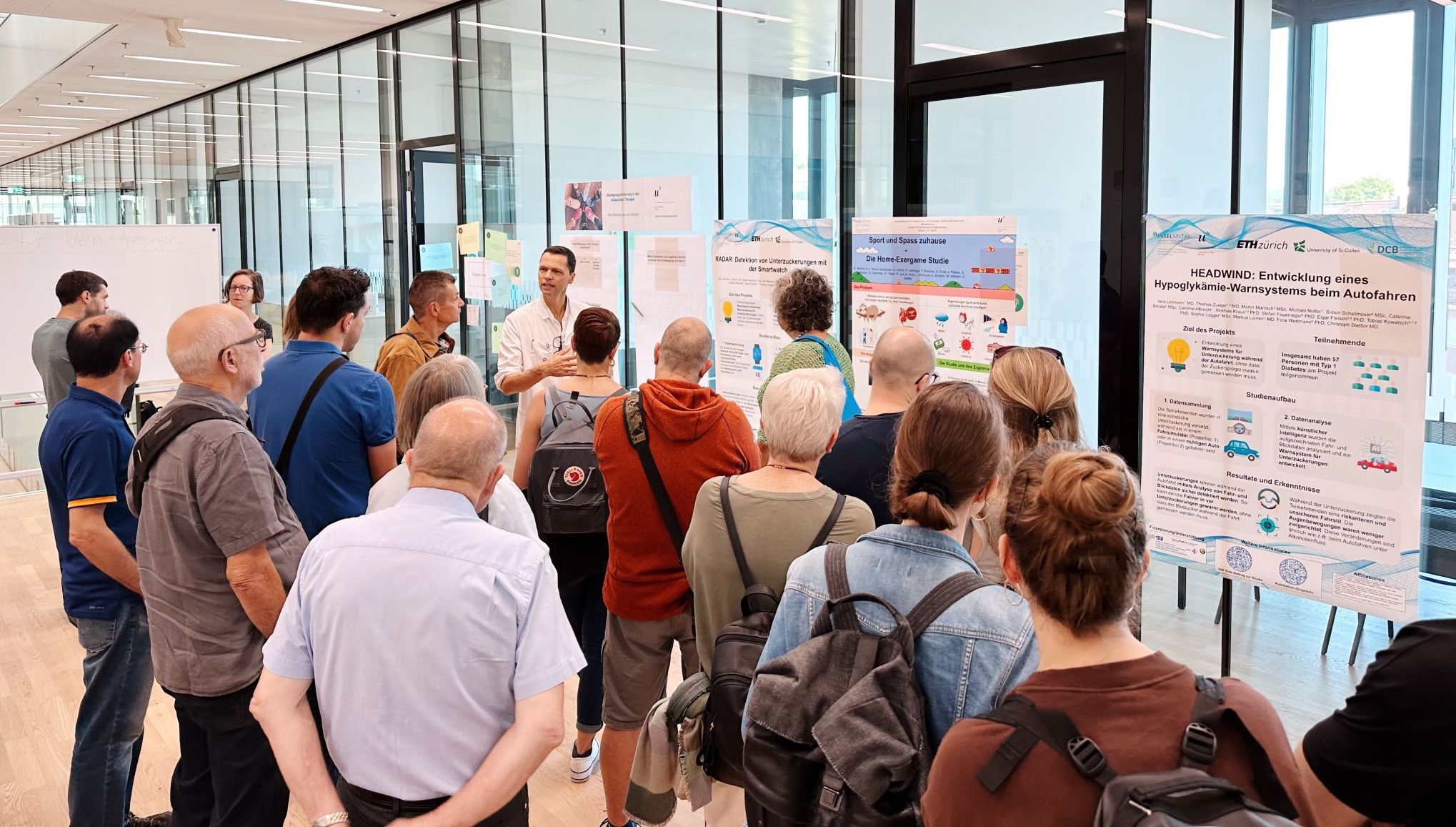
Just recently, we hosted an event for patient and public involvement at our premises in Berne. In cooperation with the University of Bern and the Department of Diabetes, Endocrinology, Nutritional Medicine and Metabolism (UDEM) at the University Hospital of Bern, we invited participants of our past research studies, people living with diabetes, researchers and the DCB team. Together, we all discussed past study outcomes as well as visions for future patient and public involvement.  

 We live and breathe patient and public involvement at DCB and we are always on the hunt for new innovative methods and activities. If you are interested or want to contribute your thoughts, please don’t hesitate to reach out and get involved with us!  

Thanks so much for reading and we’ll provide you with the next episode of this series soon!  

[1] What is patient and public involvement?  NIHR Oxford Biomedical Research Centre. https://oxfordbrc.nihr.ac.uk/ppi/ppi-researcher-guidance/what-is-patient-and-public-involvement/ 

This post was previously published in Linkedin. Click here to see the original publication.

More recent news

Sign up for our newsletter
to receive the latest news.

* Pflichtfelder
DSGVO *

DCB Research AG

Freiburgstrasse 3
3010 Bern
Switzerland

DCB Newsletter #10/2023: Ending Diabetes Stigma? 

DCB Newsletter #10/2023: Ending Diabetes Stigma? 

Dear Community – We are happy to present to you the next episode of our series “DID YOU KNOW” in which we publish interesting facts about life with diabetes that you might not know yet. In this edition, we want to focus on stigma – or rather, on how we can work towards ending diabetes stigma. Enjoy the read!

“Did you eat too much sugar as a kid?”, “Should you really be eating that with diabetes?”, “Are you injecting drugs in public?” – These and similar questions often sound familiar to many people with diabetes, too often do they need to explain themselves and their condition to other people. In public media, diabetes is often depicted in a stigmatised way, fostering misconceptions and judgment in people who do not know much about life with diabetes. But also, people who should know – healthcare professionals and people in the diabetes community – are not exempt from exhibiting misconceptions and fostering stigma.  

Most people with diabetes have experienced stigma

In psychology, stigma is defined as “the negative social attitude attached to a characteristic of an individual that may be regarded as a mental, physical, or social deficiency. A stigma implies social disapproval and can lead unfairly to discrimination against and exclusion of the individual.” [1] Thus, diabetes stigma in particular discriminates people based on their condition and can lead to blame, rejection, or exclusion due to the perceived stigmatisation. 

Most people living with diabetes have experienced social stigma [2]. It can present itself in many ways and in different parts of their lives, whether it is in their private lives, in the medical field, at the workplace or in politics – and whether it is from outside or inside the community. It can be all-encompassing, from seemingly meaningless interactions with strangers in the street, to influencing political decisions and fostering systemic discrimination of those living with diabetes. 

Efforts on ending diabetes stigma in the community

In the past years, there have been many efforts in the diabetes community to develop guides on how to minimise diabetes stigma, especially by reflecting on the language we use. The in-depth guides, reflecting the international #languagematters movement are available online. Most importantly, the use of active first-person language is recommended (“people living with diabetes” instead of “diabetics”) and judgmental language (e.g. “failing to have control”, “non-compliant”,…) should be avoided as to not reinforce negative stereotypes. 

Life with diabetes is a 24/7 challenge and everyone is trying their best, so blame or judgment are not going to help anyone on their journey with diabetes – on the contrary, diabetes stigma is strongly related to psychological distress in people living with diabetes [3]. It has been shown to have negative effects on people’s mental and physical health, fostering diabetes distress and having negative impact on diabetes-related health outcomes such as Time in Range and HbA1c [4, 5]. It is crucial that diabetes stigma and the fight against it caption the attention of all of us – in medical treatment, product development, policy action and all interactions with all people living with diabetes. 

What can we do to end diabetes stigma?

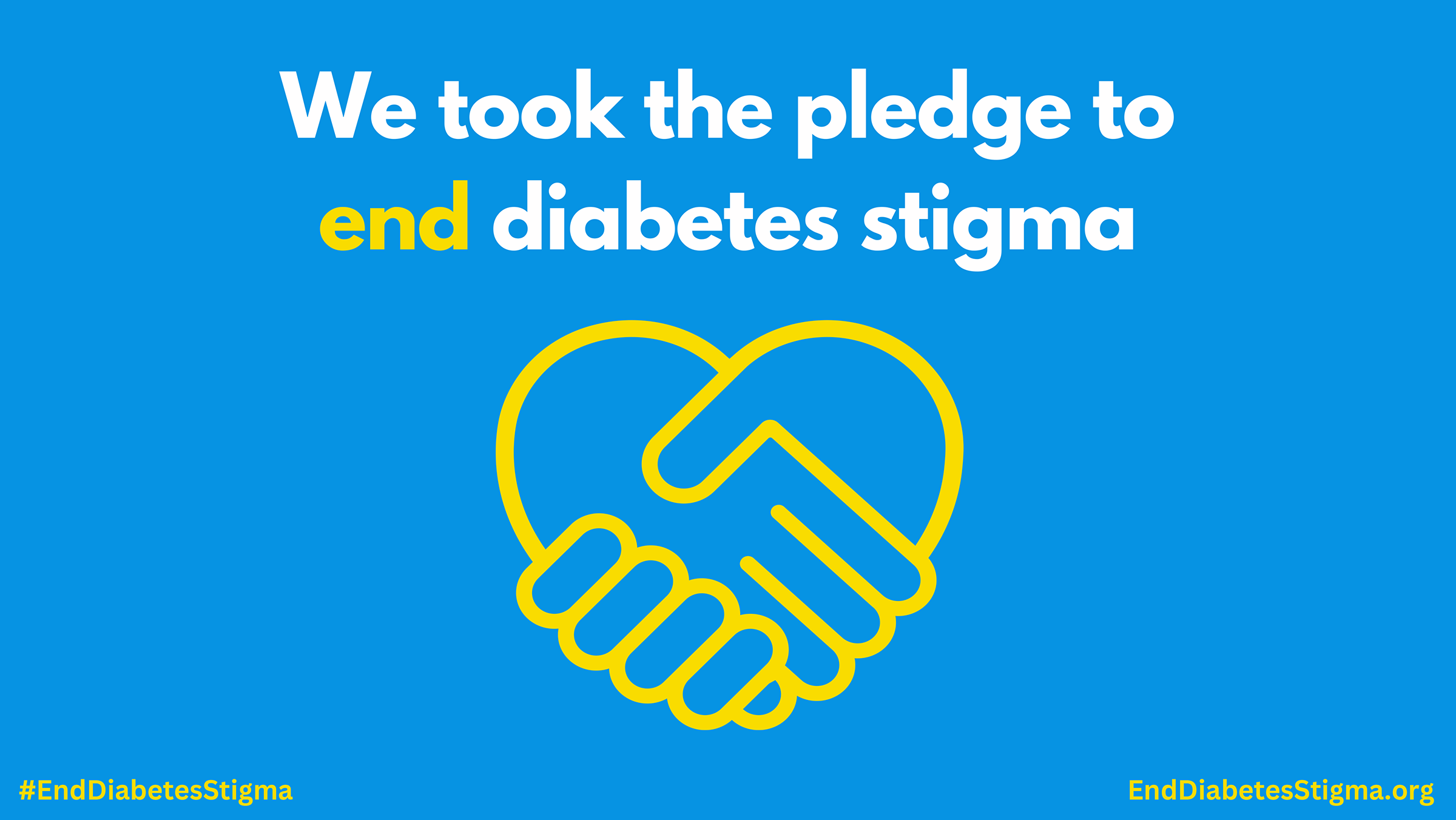
Recently, the “international consensus recommendations to bring an end to diabetes stigma and discrimination” were developed by a group of 51 experts around the world and a campaign for the pledge to end diabetes stigma was launched [6]. 

The pledge identifies different actions needed to end diabetes stigma and discrimination:

  • “respecting people with all types of diabetes, 
  • recognising diabetes stigma exists and has harmful impacts, 
  • acknowledging and challenging my/our own prejudices about (people with) diabetes, 
  • using accurate, respectful, inclusive, non-judgmental, and strengths-based language, messaging, and imagery when communicating with or about people with diabetes, 
  • avoiding and challenging fear-based messaging and imagery, 
  • condemning discrimination due to diabetes and advocating for equal treatment and support for people with diabetes, 
  • encouraging initiatives, policies, and laws that promote equity for all people with diabetes.” [6]
     

Listening to those living with diabetes is crucial

    To truly #EndDiabetesStigma, it is crucial that we listen to those living with diabetes and experiencing it firsthand. That is why we believe in user- and patient-centric research and product development. Together, we can pro-actively work on the language and imagery we use to reflect diabetes. 

    At DCB, we have happily endorsed the pledge and we invite you to do the same. Let’s end diabetes stigma together! You can endorse the pledge now as an individual or an organisation: https://enddiabetesstigma.org/  


    Thanks so much for reading and we’ll provide you with the next episode of this series soon!

    Read more about the #languagematters movement and explore the international guides: https://www.languagemattersdiabetes.com/the-documents  

    [1] American Psychological Association. APA Dictionary of Psychology. American Psychological Association. https://dictionary.apa.org/stigma 

    [2] The Lancet Diabetes; Endocrinology. (2018). Diabetes stigma and discrimination: Finding the right words. The Lancet Diabetes; Endocrinology, 6(9), 673. https://doi.org/10.1016/s2213-8587(18)30235-3  

    [3] Guo, X., Wu, S., Tang, H., Li, Y., Dong, W., Lu, G., Liang, S., & Chen, C. (2023). The relationship between stigma and psychological distress among people with diabetes: A meta-analysis. BMC Psychology, 11(1). https://doi.org/10.1186/s40359-023-01292-2  

    [4] Hansen, U. M., Olesen, K., & Willaing, I. (2020). Diabetes stigma and its association with diabetes outcomes: A cross-sectional study of adults with type 1 diabetes. Scandinavian Journal of Public Health, 48(8), 855–861. https://doi.org/10.1177/1403494819862941  

     [5] Liu, N. F., Brown, A. S., Folias, A. E., Younge, M. F., Guzman, S. J., Close, K. L., & Wood, R. (2017). Stigma in people with type 1 or type 2 diabetes. Clinical Diabetes, 35(1), 27–34. https://doi.org/10.2337/cd16-0020 

    [6] End diabetes stigma and discrimination. https://enddiabetesstigma.org/ 

    This post was previously published in Linkedin. Click here to see the original publication.

    More recent news

    Sign up for our newsletter
    to receive the latest news.

    * Pflichtfelder
    DSGVO *

    DCB Research AG

    Freiburgstrasse 3
    3010 Bern
    Switzerland

    DCB Newsletter #9/23: Interview with José García-Tirado

    DCB Newsletter #9/23: Interview with José García-Tirado

    Dear Community – we are thrilled to present you with the next episode of our series “INSIDE DCB” – this time, with an interview with José García-Tirado. Enjoy the read!

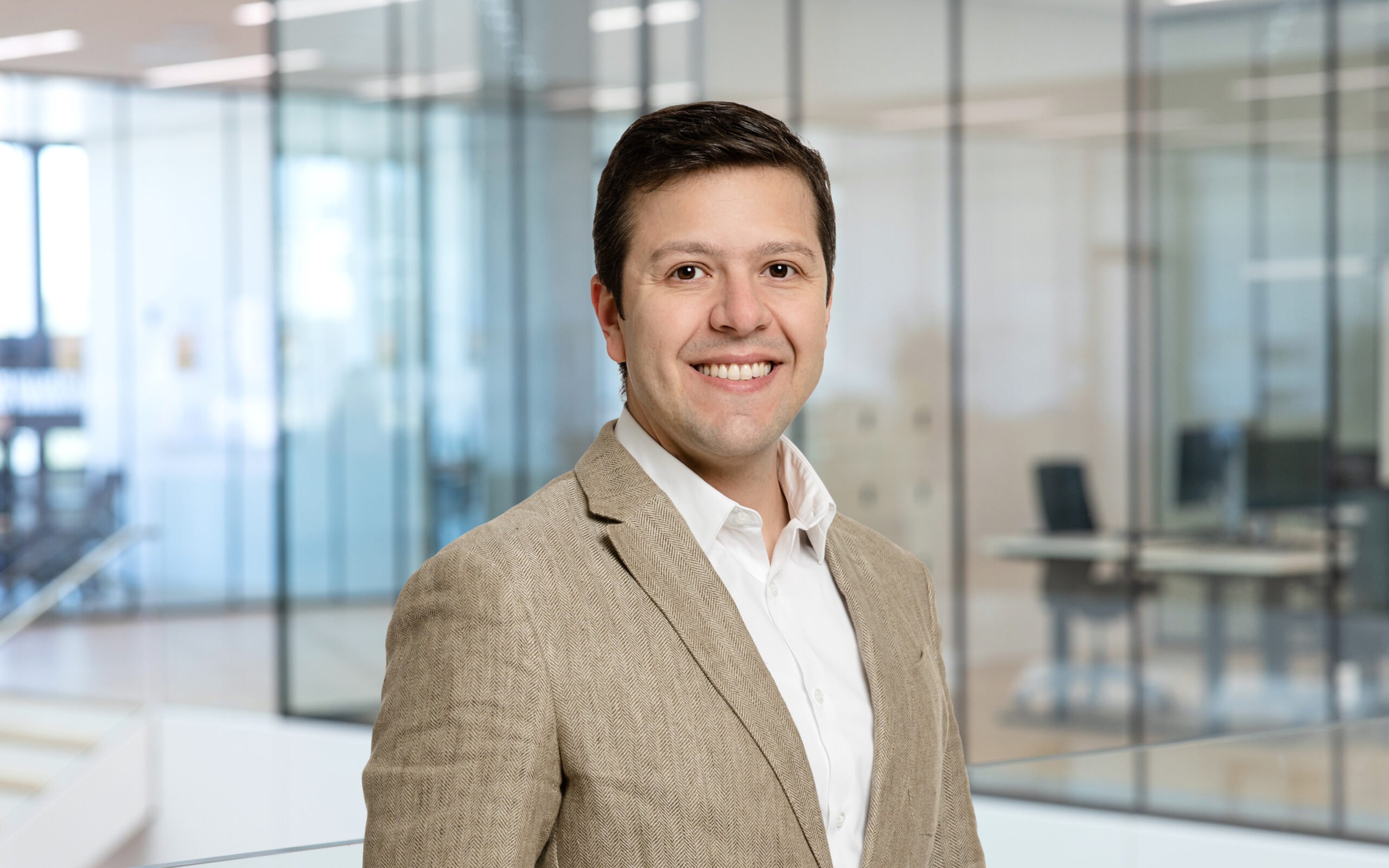
    Since the beginning of 2023, José García-Tirado has been a professor specialising in diabetes technology at the University Department of Diabetology, Endocrinology, Nutritional Medicine and Metabolism (UDEM) and at the DCB (Diabetes Center Berne). Together with his team, he is involved in the development of even more precise therapies such as closed-loop systems for people with diabetes and other metabolic diseases.

    José, what is your research about?

    In our research, we are investigating the effects of type 1 diabetes and how we can develop technological solutions to better manage glucose in the body. We use computer models to understand different aspects of metabolism. Part of our work involves developing automated systems that deliver insulin like a fully functioning pancreas. We test these ideas on the computer and in clinical trials to ultimately make them useful for people with diabetes.

    What motivates you to work in the field of diabetes technology? How did you get involved in this topic?

    I am an engineer, was diagnosed with type 1 diabetes myself 10 years ago and had to overcome some hurdles, like most people with this disease. Coincidentally, I was attending a conference on the subject a few months later when I had an “aha” moment. I realized that I needed to get involved with the topic and contribute to the advancement of the field.

    This has inspired me to research better technologies for diabetes management. I find it exciting to turn complex ideas into practical solutions and help other people with diabetes.

    What is your biggest challenge as a professor?

    Being a professor nowadays takes most of your energy and thoughts every day. Balancing my passion and work with family/hobbies time proves to be very challenging. From the work perspective, being the leader of a research group demands constant planning, supervision of human resources, and progress evaluation. Making plans to work in this field also entails close collaboration with experienced medical doctors and knowing very well the regulatory pathways to working with human beings in an ethical and caring way.

    Professor Dr. José García-Tirado. Assistant professor with tenure track in diabetes technology.

    What goals do you want to achieve with your team and your lab, the PrecisionLab?

    Our goal is to develop technologies that can better support people with type 1 diabetes. We not only want to manage blood sugar, but also reduce other health risks. To this end, we are investigating new therapies and developing intelligent algorithms for insulin pumps.

    What projects are you currently researching and how can they make life easier for people with diabetes?

    The first project deals with the construction of an algorithm deployment platform in collaboration with Universitat Politècnica de Valencia. Such a platform will allow us to test every AID (“automated insulin delivery”) design in a clinical setting.

    The second project is the design and testing of the actual smart algorithm to modulate insulin from an insulin pump for people with type 1 diabetes. Such an algorithm will be deployed and tested in our algorithm deployment platform. To do so, we need to go through a rigorous regulatory process with Swiss Medic. After approval, we will test our algorithm on five (5) participants with T1D with real-life challenges.

    The third project relates to the understanding and mathematical modeling of macronutrient (carbohydrates, fats, and proteins) absorption in the bloodstream and how different compositions of meals affect glucose absorption.

    Where do you hope your research field will be in 5-10 years? What is your vision ?

    In the next few years, diabetes management technologies will evolve, with better sensors and insulin preparations. There is even the possibility of developing implantable systems that are even more similar to a pancreas. Similarly, we need to develop more accessible technologies for people with type 1 diabetes, as current options are often expensive and unavailable in many countries.

    All these advances can significantly improve the quality of life of people with diabetes.

    About José García-Tirado

    José García-Tirado is an Assistant Professor of Smart Algorithms in Diabetes Technology at the University of Bern. He has a B.Sc. from the Universidad Nacional de Colombia, a M.Sc. from CINVESTAV (Mexico), and a Ph.D. from the Universidad Nacional de Colombia, all in the field of control systems engineering. He later did a postdoctoral fellowship at the Rheinisch-Westfälische Technische Hochschule Aachen (RWTH Aachen) in 2013 and from 2017-2021 at the University of Virginia where he specialized in advanced control strategies for AID systems. Prof. García-Tirado has been faculty in three countries, at the Instituto Tecnológico Metropolitano (2014-2017 – Medellin, Colombia), University of Virginia (2021-2023, Charlottesville, US), and University of Bern (2023).


    Thanks so much for reading and we’ll provide you with the next episode of this series soon!

    This post was previously published in Linkedin. Click here to see the original publication.

    More recent news

    Sign up for our newsletter
    to receive the latest news.

    * Pflichtfelder
    DSGVO *

    DCB Research AG

    Freiburgstrasse 3
    3010 Bern
    Switzerland