Maria Luisa Balmer Wins the Marie Heim-Vögtlin Prize

Maria Luisa Balmer Wins the Marie Heim-Vögtlin Prize

Maria Luisa Balmer Wins the Marie Heim-Vögtlin Prize

The winner of this year’s Marie Heim-Vögtlin Prize is Maria Luisa Balmer. The SNSF is awarding her the prize for her research into intestinal bacteria and their role in the development of diabetes and morbid obesity.

In Switzerland, approximately one child in six is overweight, and the number is increasing. This is concerning, given that being severely overweight increases the risk of cardiovascular disease, cancer and diabetes. “We have known for some time that intestinal flora play a key role in the development of obesity,” says Maria Luisa Balmer, a specialist in Internal Medicine at Inselspital and head of a research group at the University of Bern. But the links are complex. In her research, Balmer is investigating the interactions between intestinal bacteria, their metabolic products and the immune system (*1).

In recognition of her research work, she has been awarded the Marie Heim-Vögtlin Prize 2023 by the Swiss National Science Foundation (SNSF). The award ceremony will take place at the University of Bern on 21 November.

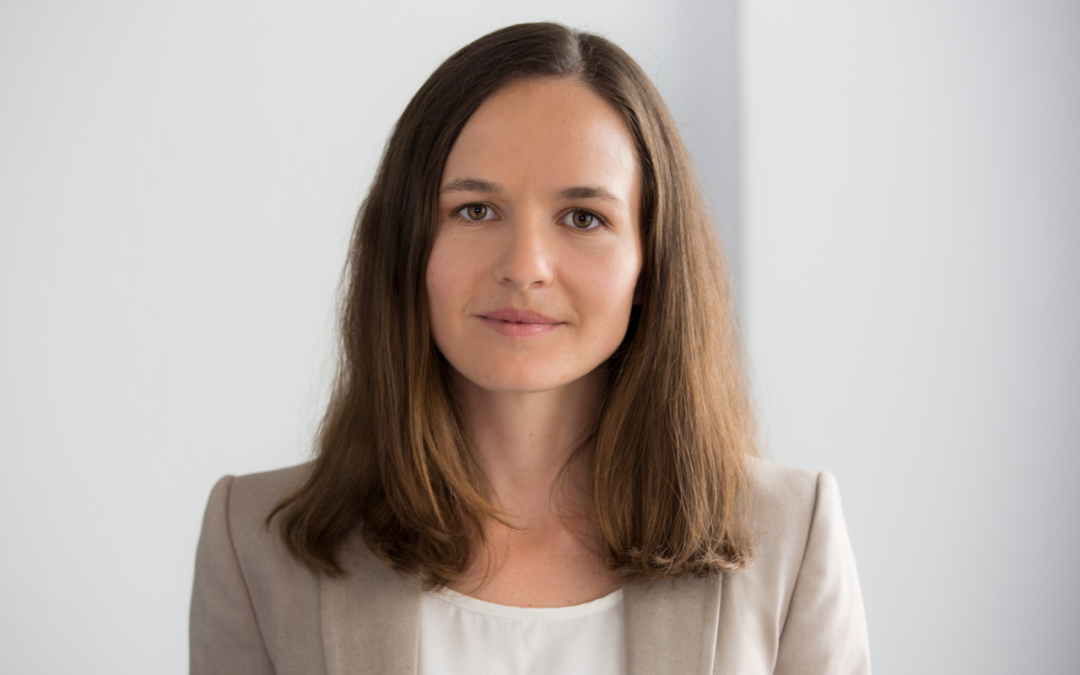
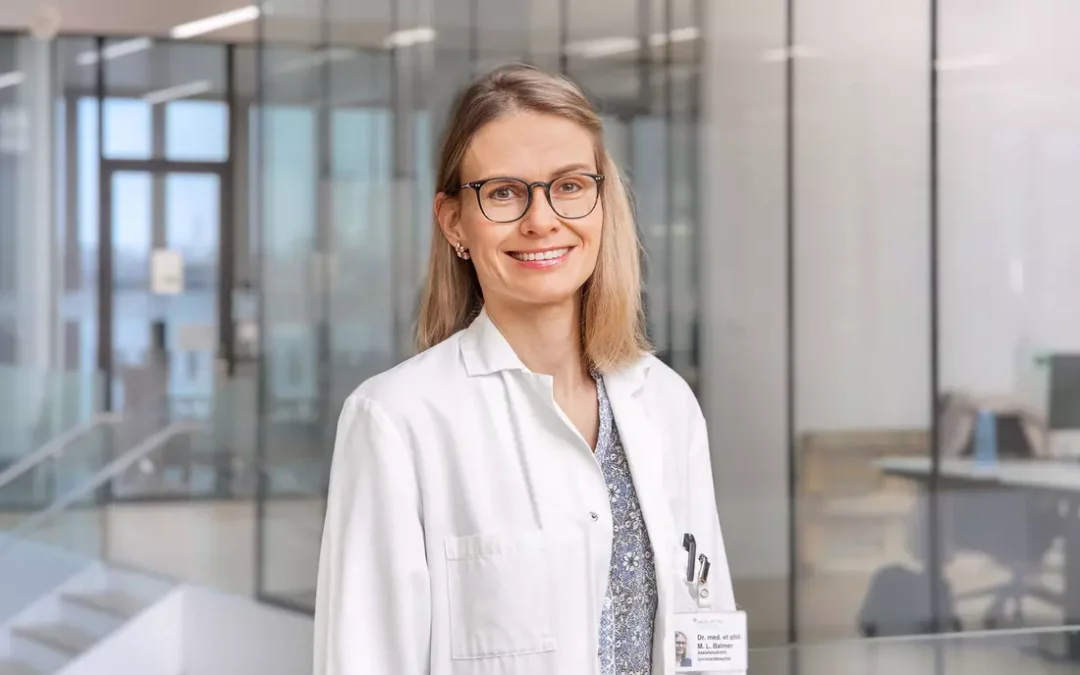
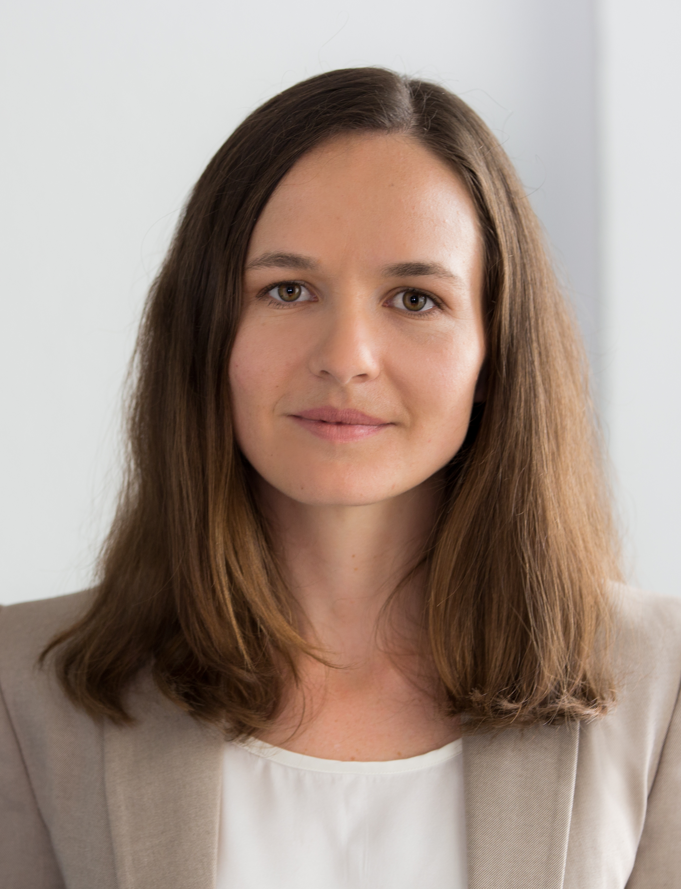
Maria Luisa Balmer (Photo: Sina Lou Ravasio)

Identified: Fattening Bacteria

It is already known that morbidly obese people generally have different intestinal flora from slim, healthy people. Certain types of bacteria proliferate very vigorously, suppressing others as they do so. But what does that mean? And is the change in intestinal flora a cause or consequence of obesity? One of the researcher’s approaches to investigating these questions involves germ-free mice, which the University of Bern breeds in a facility that is unique in the world. “We can use these animals to investigate what effect individual bacterial species have and elucidate cause and effect relationships,” Balmer explains.

Using this approach, her team was actually able to identify five bacterial species that increase the susceptibility of the mice to obesity. As a next step, the team intends to investigate how this comes about – for example, which bacterial metabolic products contribute to the fattening effect, and what impact they have on the immune system.

In a preceding study, Balmer had already demonstrated that the metabolic product acetate has a positive effect on immune cells (*2). By doing so, she illustrated the link between diet, intestinal flora and the immune system, because one of the conditions under which acetate is formed is when bacteria in the intestines metabolise dietary fibre of the type contained in vegetables or wholegrain products.

Promoting health with chewing gum

Balmer’s research group is currently investigating the effect of dietary fibre in more detail in a clinical study involving over 100 severely obese children. The team has developed a chewing gum that has been enriched with water-soluble dietary fibre. And the best thing about this completely new idea is that the children do not realise the “FibreGum” is medicine. Like normal chewing gum, it tastes of mint. It is intended to promote intestinal metabolism in children almost without them noticing and at the same time help them reduce snacking on other sweets. “Low-threshold treatments are particularly important for children,” says Balmer. She hopes the study will demonstrate whether the nutritional fibre consumed with the FibreGum does actually improve intestinal flora, and ultimately whether it helps the children lose weight more easily.

Career snapshots: “We need a change of ideas”

Maria Luisa Balmer’s research already won her an SNSF Eccellenza Professorial Fellowship in 2020. She says she regards winning the Marie Heim-Vögtlin Prize as a huge accolade. But she also sees the prize as an opportunity to gain visibility as a researcher who is a doctor and mother as well. “As far as that’s concerned, our whole society needs an urgent rethink,” she emphasises. “We need to update our traditional role models for group leaders at higher education institutions because the bar for couples with jobs is unrealistically high for both mothers and fathers. I feel it is important to demonstrate that you can have a family or hobbies that demand a lot of time and still conduct cutting-edge research and be successful if you have people around you to support you.”

(*1) J. Lötscher and M.L. Balmer: Sensing between reactions – how the metabolic microenvironment shapes immunity. Clin Exp Immunol (2019). doi: https://doi.org/10.1111/cei.13291.


(*2) M.L. Balmer et. al: Memory CD8+ T Cells Balance Pro- and Anti-inflammatory Activity by Reprogramming Cellular Acetate Handling at Sites of Infection. Cell Matabolism (2020). doi: https://doi.org/10.1016/j.cmet.2020.07.004.

Contact

Maria Luisa Balmer

Universitätsklinik für Diabetologie, Endokrinologie, Ernährungsmedizin & Metabolismus (UDEM)

Inselspital

Freiburgstrasse 15

CH-3010 Bern

Tel.: +41 31 632 96 40

E-Mail: maria.balmer@unibe.ch

Award for outstanding women researchers

The SNSF awards the Marie Heim-Vögtlin (MHV) Prize each year to an outstanding young woman researcher. Prizewinners are inspiring role models who produced remarkable results and significantly progressed their careers while benefiting from an SNSF grant. Since 2020, the prize has been awarded to former female grantees of the MHV, Doc.CH, Postdoc.Mobility, Ambizione and PRIMA funding schemes.

Marie Heim-Vögtlin, who gave her name to the award, became the first Swiss woman to study medicine when she was admitted to the University of Zurich’s medical faculty in 1868. On completing her studies, she opened a gynaecological practice where she continued to work after giving birth to two children. She is regarded as one of the pioneers in the struggle to give women access to higher education.

https://www.snf.ch

Links

Contact

Maria Luisa Balmer

Universitätsklinik für Diabetologie, Endokrinologie, Ernährungsmedizin & Metabolismus (UDEM)

Inselspital

Freiburgstrasse 15

CH-3010 Bern

Tel.: +41 31 632 96 40

E-Mail: maria.balmer@unibe.ch

Sign up for our newsletter
to receive the latest news.

* Pflichtfelder
DSGVO *

DCB Research AG

Freiburgstrasse 3
3010 Bern
Switzerland

Research Participation Opportunities: New Studies “VOCircle” and “Moonwalk”

Research Participation Opportunities: New Studies “VOCircle” and “Moonwalk”

Research Participation Opportunities: New Studies “VOCircle” and “Moonwalk”

Join us in fostering state-of-the art diabetes research! The DCB-associated research group from the Sensing & Monitoring Lab is currently looking for study participants both with and without diabetes. Read more about the opportunities below.

Become Part of New Diabetes Research

The DCB-associated research group from the Sensing & Monitoring Lab is currently looking for study participants with and without diabetes. The two new studies will shine a light on the circadian rhythm of volatile organic compounds as well as movements during nightly blood glucose fluctuations in people with diabetes. This is a great opportunity to become part of the science behind the diabetes management of tomorrow.

The VOCircle Study

The VOCircle study aims to research the circadian rhythm in volatile organic compounds (VOC). It is being conducted in Berne, Switzerland, and you will need to be present for about 8 hours.

You are elligible if you
1) don’t have any type of diabetes,
2) have been living with
type 1 diabetes for more than a year, or
3) live with
type 2 diabetes and use medication to treat it. 

You can read more about it in the VOCircle Study Information.

The Moonwalk Study

The Moonwalk study aims to analyse movements during nightly blood glucose fluctuations.

You are elligible if you live with diabetes, use insulin to manage your blood glucose levels and live near Berne, Switzerland. If you are elligible, the study will accompany you during 10 +/- 5 days and you will receive a compensation of 200 CHF.

You can read more about it in the Moonwalk Study Information.

Downloads

Contacts

Cléo Nicolier (VOCircle)

cleo.nicolier@unibe.ch

+41 (0) 76 250 17 76

Camilo Mendez Schneider (Moonwalk)

camilo.mendezschneider@unibe.ch

+41 (0) 31 664 25 27

More recent news

Sign up for our newsletter
to receive the latest news.

* Pflichtfelder
DSGVO *

DCB Research AG

Freiburgstrasse 3
3010 Bern
Switzerland

The FibreGum study – Changing the course of obesity

The FibreGum study – Changing the course of obesity

The FibreGum study – Changing the course of obesity

The goal of our study is to increase weight reduction in obese children and adolescents by stimulating the gut microbiome with a chewing-gum containing dietary fibres as an adjunct treatment to standard adiposity therapy.

Around one in six children in Switzerland is affected by overweight or obesity and the prevalence continues to rise. This increase in obesity and its associated comorbidities represents a huge socio-economic burden, as it leads to increased morbidity and mortality. Obesity is not only a chronic disease in itself, but also a major risk factor for the development of the world’s leading causes of poor health and early death; namely cardiovascular disease, various cancers, diabetes and osteoarthritis.

Read more about the project here.

More recent news

Sign up for our newsletter
to receive the latest news.

* Pflichtfelder
DSGVO *

DCB Research AG

Freiburgstrasse 3
3010 Bern
Switzerland

José Garcia-Tirado takes up position as professor specialising in technology-assisted precision medicine

José Garcia-Tirado takes up position as professor specialising in technology-assisted precision medicine

José Garcia-Tirado takes up position as professor specialising in technology-assisted precision medicine

The newly created assistant professorship with tenure track is the second of a total of three professorships in the field of “Diabetes Technology and Artificial Pancreas” jointly created by the University of Bern, the Inselgruppe and the Diabetes Center Berne (DCB).

Focus on fully automated insulin delivery

Before taking up his new position, Garcia-Tirado was an assistant professor at the University of Virginia. His research focuses on fully automated insulin delivery, also called artificial pancreas or closed-loop system, as well as conducting corresponding clinical trials.

“I am very excited to contribute to the field of diabetes technology as part of the joint venture between the University of Bern Clinic for Diabetology, Endocrinology, Nutritional Medicine and Metabolism (UDEM) and the Diabetes Center Berne (DCB) by developing new intelligent algo- rithms for automated insulin delivery and decision support systems for people with diabetes,”says Garcia-Tirado.

Derek Brandt, CEO of the DCB adds: “In addition to Lilian Witthauer, professor in the field of sensor technology, we have taken a second and important step with Professor Garcia-Tirado for the topic of closed-loop systems. This enables us to play an international pioneering role in the field of translational diabetes technology research. We are doing everything we can to further improve daily life for people with diabetes“.

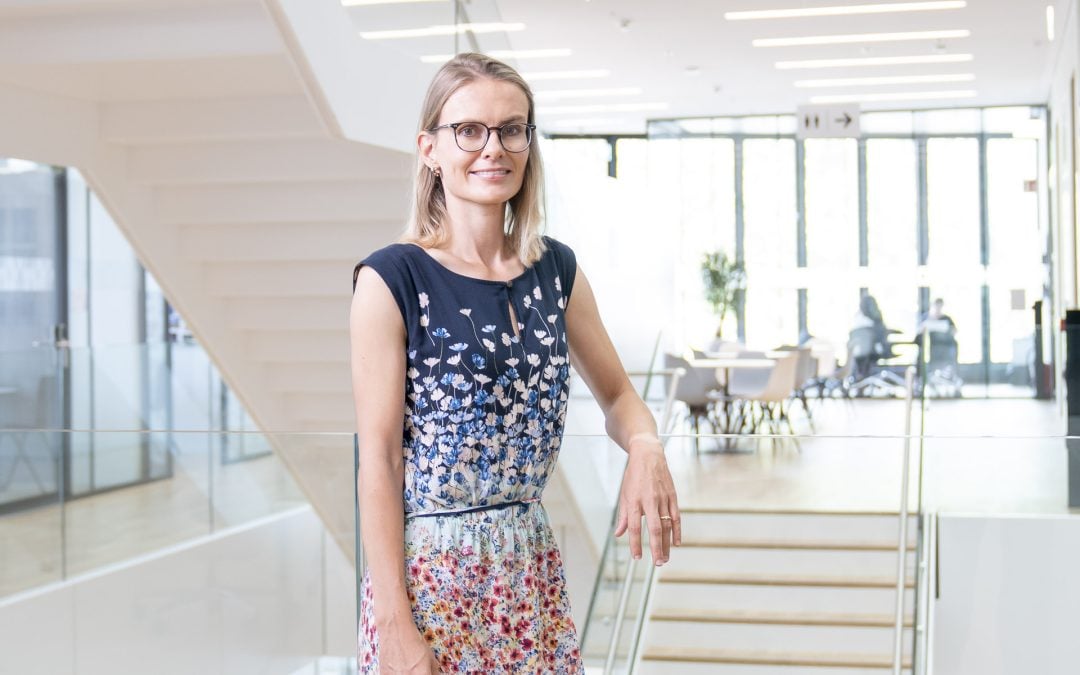
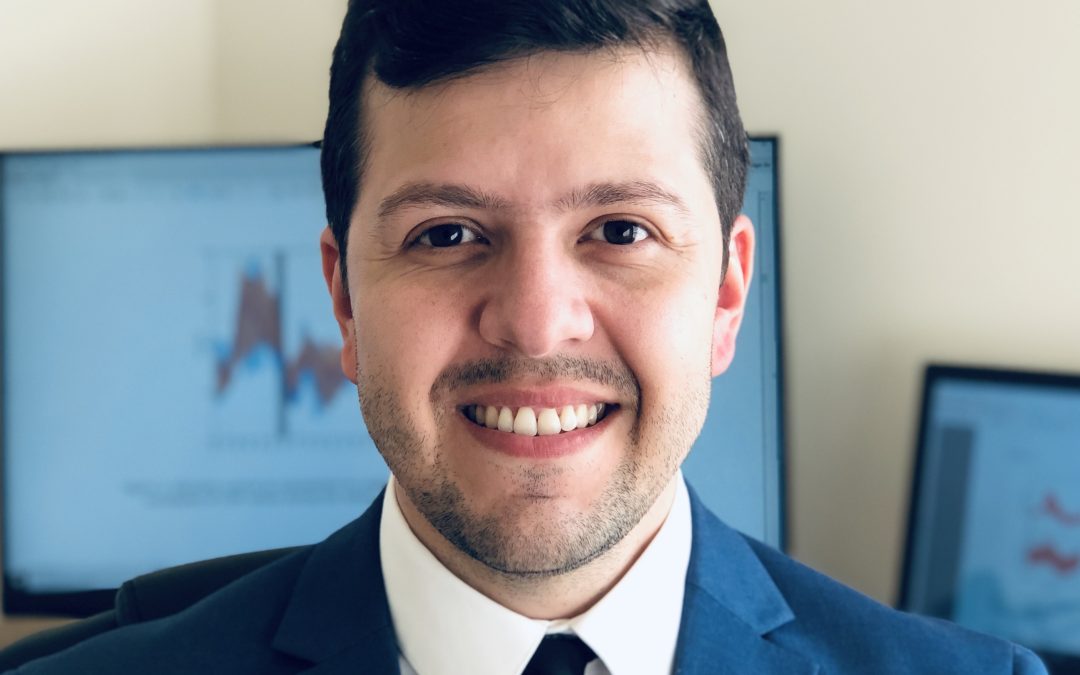
José Garcia-Tirado

More recent news

Sign up for our newsletter
to receive the latest news.

* Pflichtfelder
DSGVO *

DCB joins the OPEN project: evidence on the clinical and person​-​reported outcomes of open​-​source automated insulin delivery (AID) system users

DCB joins the OPEN project: evidence on the clinical and person​-​reported outcomes of open​-​source automated insulin delivery (AID) system users

DCB joins the OPEN project: evidence on the clinical and person​-​reported outcomes of open​-​source automated insulin delivery (AID) system users

Bern, September 14, 2022 – DCB has become a new consortium member of the OPEN project – a patient-led research project gathering real-world evidence on the clinical and quality of life outcomes of open-source automated insulin delivery (AID) system users to better understand their impact on the lives of people with diabetes.

Today, modern therapy methods such as sensors for continuous glucose monitoring and insulin pumps are available for people with diabetes in selected countries. Nevertheless, only a small proportion of people with diabetes reach the long-term outcome parameters recommended by therapeutic guidelines of an hemoglobin A1c value <7.0%. In closed-loop systems, also known as “artificial pancreas” or “automated insulin delivery” (AID) systems, a control algorithm continuously and automatically adjusts insulin dosing of an insulin pump according to an individual’s predicted glucose levels and insulin needs.

However, research, commercial development and regulatory approval of such technologies are resource heavy, time consuming and complex. Under the mantra #WeAreNotWaiting, tech-savvy people with diabetes have therefore started building their own AID systems. Based on the principle of “paying it forward”, instructions and code needed to build and maintain these systems as well as community peer-support are freely available on open-source platforms online.

Photo: Researchers of the OPEN project

The team found that people who are using these systems not only experienced significant improvements of their physical, but also tremendous improvements in the quality of life and sleep. OPEN has moreover established an international consensus statement of 48 healthcare professionals and legal experts that provides theoretical background and practical guidance for healthcare professionals who wish to support individuals using open-source AID, which was part of the “100 years of insulin” special issue of The Lancet.

“Our research is enabling healthcare providers, academia, device manufacturers and regulators to understand open-source AID systems, that people using them feel safe, and experience a variety of positive changes related to their diabetes management, mental and physical health.” – says Dr. Shane O’Donnell, research scientist at University College Dublin and project coordinator of OPEN.

An international consortium of well-established research and patient advocacy organisations

With DCB joining the OPEN project in June 2022, the consortium now consists of 11 members, including the University College Dublin, Charité – Universitätsmedizin Berlin, Dedoc Labs GmbH, the Australian Centre for Behavioural Research in Diabetes, the University of Copenhagen, Stanford University, and King’s College London.

Visual: The OPEN consortium (Status: September 2022)

Dr. Maren Schinz, Innovation Manager at DCB says: ”DCB is a great fit as a consortium member, and we are very proud to contribute to this mutual exchange of knowledge. With OPEN being a flagship project of community involvement, it perfectly matches what we want to achieve at DCB: identifying unmet needs and translating science into real solutions to ultimately improve the lives of people with diabetes.”

About OPEN

The OPEN project consists of an international and cross-cutting and patient-led consortium that aims to build an evidence base around the impact of open-source AID systems on people with diabetes across several regions of the world.

Media contacts

Sunjoy Mathieu & Greta Ehlers

Hanne Ballhausen

More recent news

Sign up for our newsletter
to receive the latest news.

* Pflichtfelder
DSGVO *

DCB Research AG

Freiburgstrasse 3
3010 Bern
Switzerland

Prof. Lilian Witthauer starts as Professor of Diabetes Technology with focus on sensors

Prof. Lilian Witthauer starts as Professor of Diabetes Technology with focus on sensors

Prof. Lilian Witthauer starts as Professor of Diabetes Technology with focus on sensors

The newly created assistant professorship with tenure track is the first of a total of three professorships jointly created by the University of Bern, the Inselgruppe and the Diabetes Center Berne (DCB).

Focus on sensors

Before taking up her new position, Lilian Witthauer was a Research Fellow at the Wellman Center for Photomedicine of the Harvard Medical School and Massachusetts General Hospital in Boston. In her new role as Assistant Professor, she and her team will pursue the goal of developing innovative sensor technologies that make everyday life easier for people with diabetes and improve their quality of life. Furthermore, the aim is to promote interdisciplinarity and closely link research results with practice.

“What motivates me the most is that people with diabetes can live better lives by having access to advanced sensor technologies that improve their healthcare and promote self-control and responsibility.”

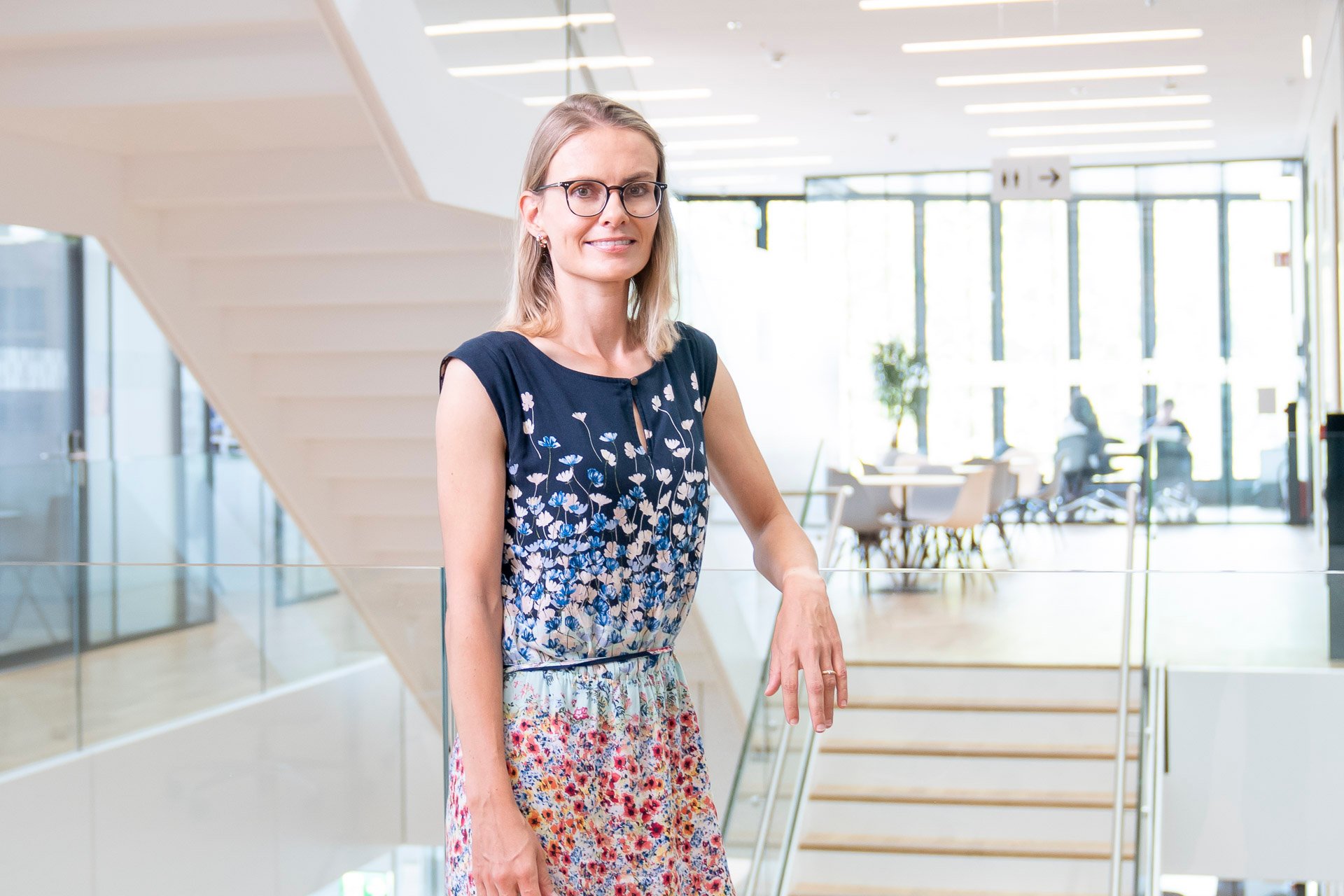
Prof. Lilian Witthauer

More recent news

Sign up for our newsletter
to receive the latest news.

* Pflichtfelder
DSGVO *

DCB Research AG

Freiburgstrasse 3
3010 Bern
Switzerland