Start​-​up funding for diabetes technologies: the DCB Open Innovation Challenge is back!

Start​-​up funding for diabetes technologies: the DCB Open Innovation Challenge is back!

Start​-​up funding for diabetes technologies: the DCB Open Innovation Challenge is back!

Bern, March 2, 2022: Diabetes Center Berne announces its second Open Innovation Challenge. The aim of the challenge is to promote innovative Swiss and international projects in the field of diabetes management. Participating start-ups will benefit from expert feedback, and the top three projects in each of the two categories of Diabetes Devices and Digital Diabetes will be invited to join the innovation bootcamp. The finalists will receive prize money of up to USD 100,000, along with additional support. The DCB Innovation Challenge award is one of the world’s most generous and renowned diabetes-related awards.

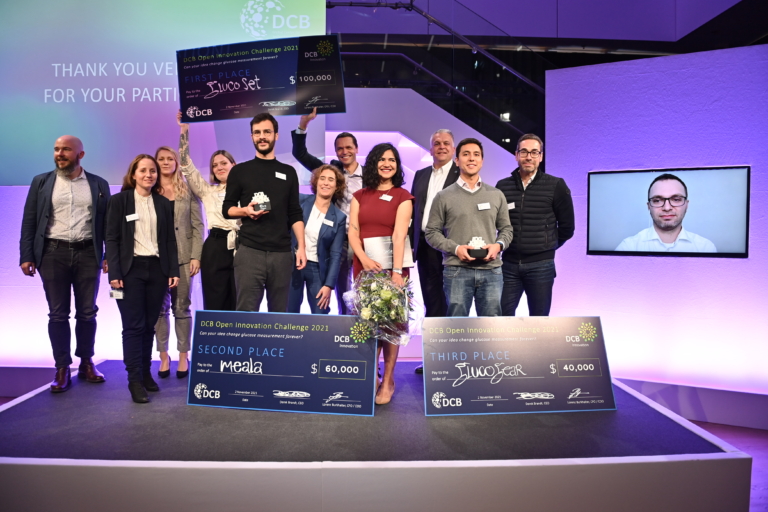
The DCB Open Innovation Challenge is back! (Video: The finalists of 2021 and the award ceremony)

More than 537 million people worldwide are living with diabetes. For those affected, it is a constant challenge that affects their everyday lives. Technological innovations play an important role in making it easier to cope with diabetes. Examples include innovations such as technologies that make it easier to measure glucose levels, and even apps that let you plan the amount of insulin you need . However, despite these enormous advances in diabetes technology, there is still a great unmet need for innovative technical solutions. All such solutions should be aimed at helping to reduce the everyday challenges that diabetes poses and at achieving lasting improvement in quality of life for people with diabetes.

Two categories: “Diabetes Devices” and “Digital Diabetes”

The first Open Innovation Challenge, which ran in 2021, focused on glucose measurement. The start-up GlucoSet, which developed a glucose measurement system for intensive care units, was named the winner. In this latest Innovation Challenge 2022, there are two categories. One is for medical devices such as insulin pens, insulin pumps or sensors for continuous glucose measurement. The other is for digital solutions such as apps for diabetes management, such as apps for monitoring glucose levels or nutrition, or for connecting with other people with diabetes.

The “Diabetes Devices” category will kick off at the beginning of March 2022 and the “Digital Diabetes” category will open at the beginning of August 2022. After progressing past the first round and receiving feedback from the expert jury, the top 20 companies will join a mentoring program. Later, the top three companies will be invited to an innovation bootcamp that is specifically tailored to their needs. On November 30, 2022, the winning project will be selected by an international jury and rewarded with USD 100,000, along with additional support such as coaching. The second and third place winners will receive USD 60,000 and USD 40,000 respectively. This makes the DCB Open Innovation Challenge one of the world’s most generous international awards in the field of diabetes. Applications are open to start-ups, medical and research professionals, and individuals.

Closing gaps with a translational approach

“At DCB, we want to close the gaps between ideas, clinical trials and start-ups through innovation. One way we pursue this goal is through the DCB Open Innovation Challenge, which connects start-ups, mentors, companies and the international diabetes community. In this way, we can help viable, innovative ideas in diabetes management achieve a breakthrough—not only through funding, but also through targeted support from our partner network,” said Dr. Maren Schinz, who manages the DCB Open Innovation Challenge.

The finalists of the DCB Open Innovation Challenge 2021 GlucoSet (Photo credit: Sandra Blaser)

Downloads

Media Release

PDF, 149.05 KB

Terms of participation

PDF, 228.24 KB

Links

More recent news

Sign up for our newsletter
to receive the latest news.

* Pflichtfelder
DSGVO *

DCB Research AG

Freiburgstrasse 3
3010 Bern
Switzerland

Publication in the renowned “Cell” journal with Bernese participation (Professor Maria Louisa Balmer): Magnesium is vital to the immune system—and the fight against cancer

Publication in the renowned “Cell” journal with Bernese participation (Professor Maria Louisa Balmer): Magnesium is vital to the immune system—and the fight against cancer

Publication in the renowned “Cell” journal with Bernese participation (Professor Maria Louisa Balmer): Magnesium is vital to the immune system—and the fight against cancer

Basel and Bern, 19.01.2021 – The magnesium level in the blood plays an important role in determining how well the immune system is able to fight off pathogens and cancer cells. Researchers from the University of Basel and University Hospital Basel with Bernese participation have reported in the scientific journal “Cell” that T cells need sufficient magnesium to function properly. The findings could be important for cancer patients.

Professor Maria Luisa Balmer of the Diabetes Center Berne, University Berne, and University Hospital Bern

Magnesium deficiency is linked to a variety of illnesses, such as infections and cancer. We know from previous studies that cancerous tumours spread more quickly in the bodies of mice when they are fed a diet that is low in magnesium. This low-magnesium diet also impairs their ability to fight off flu viruses. Until now, there has been little research into exactly how this vital mineral affects the immune system.

A team of researchers led by Professor Christoph Hess, from the University of Basel and University Hospital Basel, and University of Cambridge, in collaboration with University and University Hospital Bern, have discovered that T cells can only effectively eliminate abnormal or infected cells in a magnesium-rich environment. More specifically, magnesium contributes to the proper functioning of a T-cell surface protein called LFA-1.

LFA-1 functions as a binding site that plays a key role in the activation of T cells. “In the resting state, however, this binding site is in a closed position and therefore cannot efficiently bind infected or abnormal cells,” explained Christoph Hess. “That’s where magnesium comes in. If magnesium is present in sufficient quantities in the environment surrounding the T cells, magnesium binds to the LFA-1 protein and ensures that it remains in an open position, keeping the binding site active.”

As part of the research team, Professor Maria Luisa Balmer is delighted with what the team has achieved so far and adds:

“Many people associate the trace element magnesium primarily with its effects on muscle function. What this new study shows is that magnesium also regulates fundamental processes in immune cells, and that this regulation has a significant effect on how they function. This research is a prime example of how findings from basic research can lead to further investigations that may directly benefit patients and the wider population.”

Relevance to cancer patients

The fact that magnesium is essential for the function of T cells could have significant implications in terms of how modern immunotherapies are used to treat cancer. Immunotherapy aims to mobilise the immune system—and cytotoxic T cells in particular—against cancer cells. The researchers were able to use experimental models to demonstrate that increasing the local magnesium concentration in tumours enhanced the immune response of T cells against cancer cells.

“We are now looking for ways to specifically increase the concentration of magnesium in tumours so that we can test this observation in the clinical context,” said Christoph Hess. Further analyses carried out by the research team led by Hess and his colleague Dr Jonas Lötscher, the lead author of the study, demonstrate how promising such strategies can be. Using data from studies in cancer patients that have already been completed, the researchers were able to show that immunotherapies were less effective in patients who had low blood magnesium levels.

However, according to Lötscher, the data collected to date is not sufficient to answer the question of whether regular magnesium intake has an effect on the risk of cancer in general.

“Our next step will be to conduct prospective studies to test the clinical effect of magnesium as a catalyst in the immune system.”

Original publication
Jonas Lötscher et al.
Magnesium sensing via LFA-1 regulates CD8+ T cell effector function.
Cell (2022)
DOI: https://doi.org/10.1016/j.cell.2021.12.039

More recent news

Sign up for our newsletter
to receive the latest news.

* Pflichtfelder
DSGVO *

DCB Research AG

Freiburgstrasse 3
3010 Bern
Switzerland

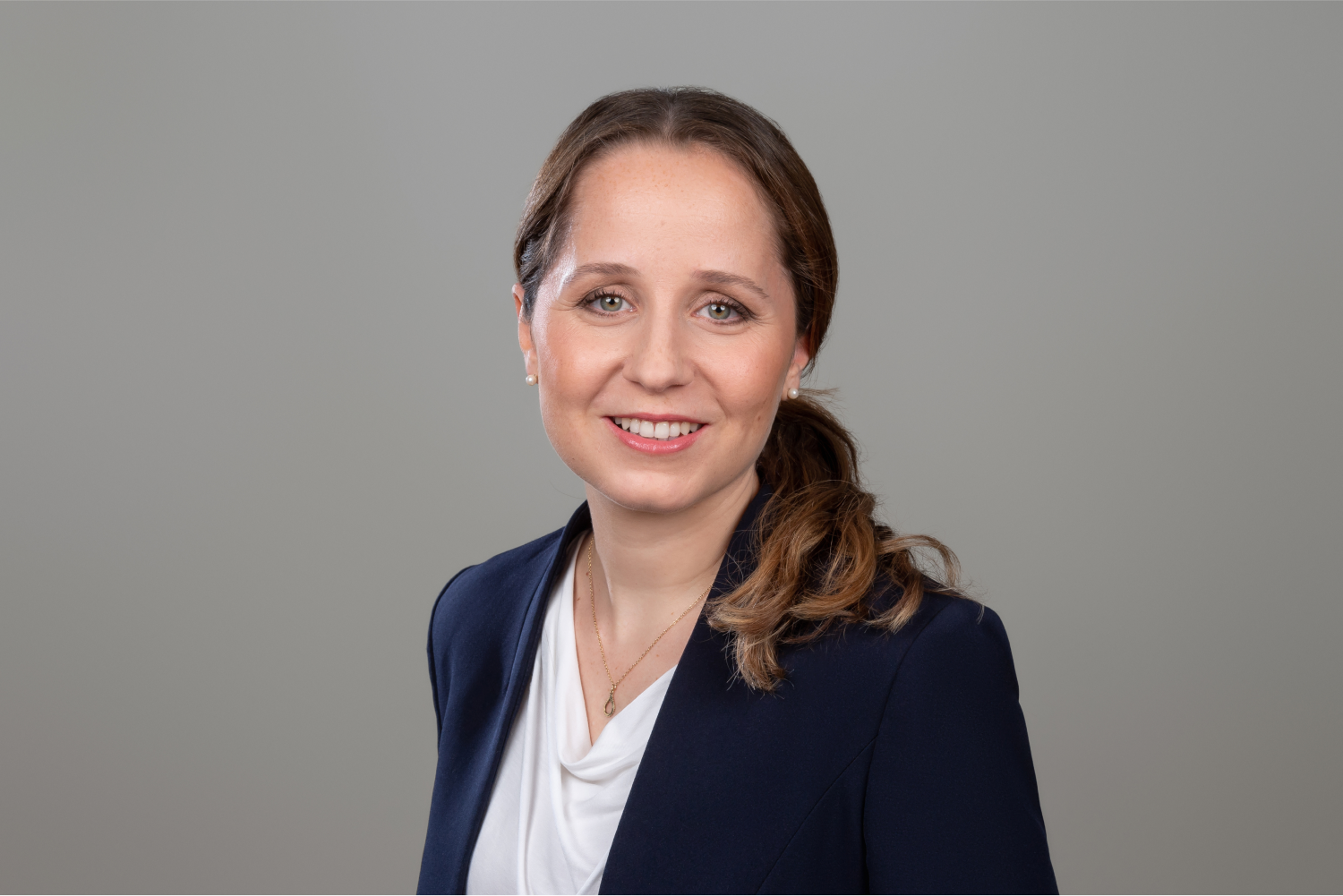
Prof. Lilian Witthauer starts as Professor of Diabetes Technology with focus on sensors

Prof. Lilian Witthauer starts as Professor of Diabetes Technology with focus on sensors

Prof. Lilian Witthauer starts as Professor of Diabetes Technology with focus on sensors

The newly created assistant professorship with tenure track is the first of a total of three professorships jointly created by the University of Bern, the Inselgruppe and the Diabetes Center Berne (DCB).

Focus on sensors

Before taking up her new position, Lilian Witthauer was a Research Fellow at the Wellman Center for Photomedicine of the Harvard Medical School and Massachusetts General Hospital in Boston. In her new role as Assistant Professor, she and her team will pursue the goal of developing innovative sensor technologies that make everyday life easier for people with diabetes and improve their quality of life. Furthermore, the aim is to promote interdisciplinarity and closely link research results with practice.

“What motivates me the most is that people with diabetes can live better lives by having access to advanced sensor technologies that improve their healthcare and promote self-control and responsibility.”

Prof. Lilian Witthauer

More recent news

Sign up for our newsletter
to receive the latest news.

* Pflichtfelder
DSGVO *

DCB Research AG

Freiburgstrasse 3
3010 Bern
Switzerland

Launch of the first venture fund dedicated to diabetes technology (SDVF)

Launch of the first venture fund dedicated to diabetes technology (SDVF)

Launch of the first venture fund dedicated to diabetes technology (SDVF)

Zurich / Berne – The Swiss Startup Group AG (SSUG), the DCB Research AG (DCB), a hundred percent daughter company of the Diabetes Center Berne Foundation, and Simon Michel are announcing the launch of the first venture fund dedicated to diabetes technology. The Swiss Diabetes Venture Fund (SDVF) will invest up to CHF 50 million over the next 5 years, with a target portfolio size of 20-30 investments in Switzerland, Europe, and the USA.

The Swiss Diabetes Venture Fund (SDVF) will be managed by the investment arm of the SSUG, and benefit from the skills, networks and levers of its three General Partners: Simon Michel who will bring his experience as CEO of the Ypsomed Group, Derek Brandt as CEO of the DCB with his global reach in the diabetes ecosystem, and Mike Baur, CEO of SSUG, pulling on the resources and experience of SSUGs 6-year track record in building up the largest Swiss venture platform.  

“Over the past few years, a true diabetes-technology-hub has emerged in the Berne area in Switzerland. This eco-system profits not only from companies like Ypsomed, but also from strong partnerships with common goals. Teaming up with the world-renowned diabetes clinic UDEM at the Insel Bern University Hospital, the sitem-insel translational center that enables faster translation from bench to bed into clinical trials, the Diabetes Center Berne is in an excellent position to scout diabetes technology startups and support them in the translation from bed to market. And for this purpose, we build the SDVF”,

comments Simon Michel on the establishment of the dedicated fund. 

“We are proud to officially launch the Swiss Diabetes Venture Fund as the first themed fund in our multi venture fund strategy announced past February,” said Mike Baur, CEO of SSUG. “Switzerland is a global hub for innovation and Healthtech startups and offers promising opportunities for proactive corporates to boost their innovation agenda through targeted acquisitions. The Swiss Startup Group’s investment experience, channeled through the multi-fund strategy, provides the right platform to execute on highly focused investments delivering high returns. And this is how venture truly becomes a dedicated asset class.” 

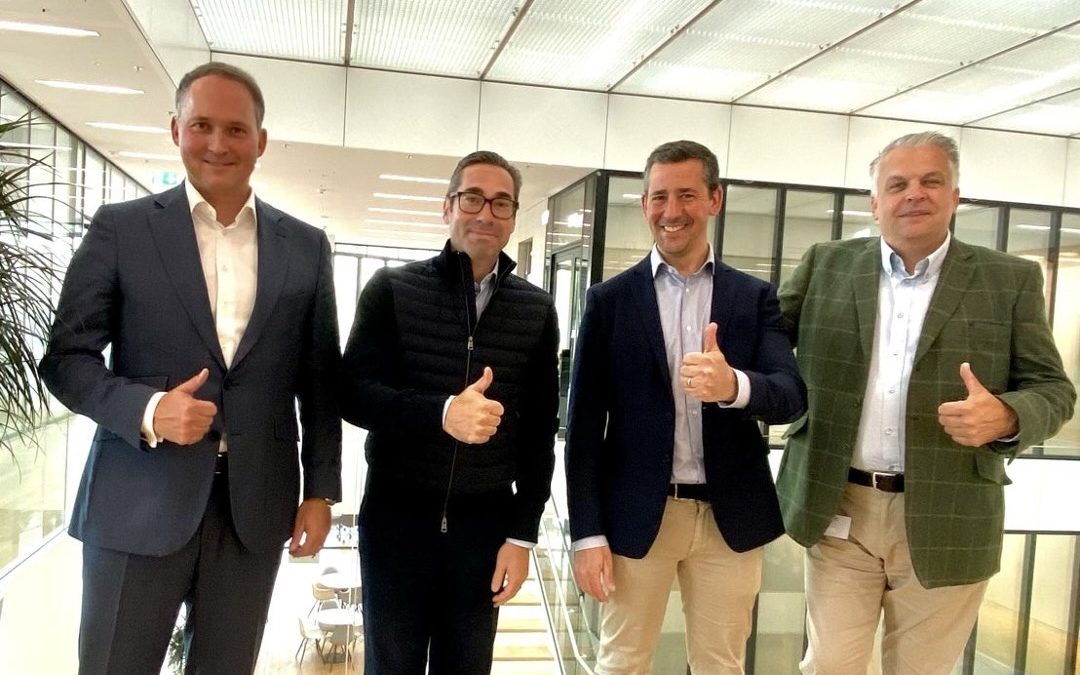
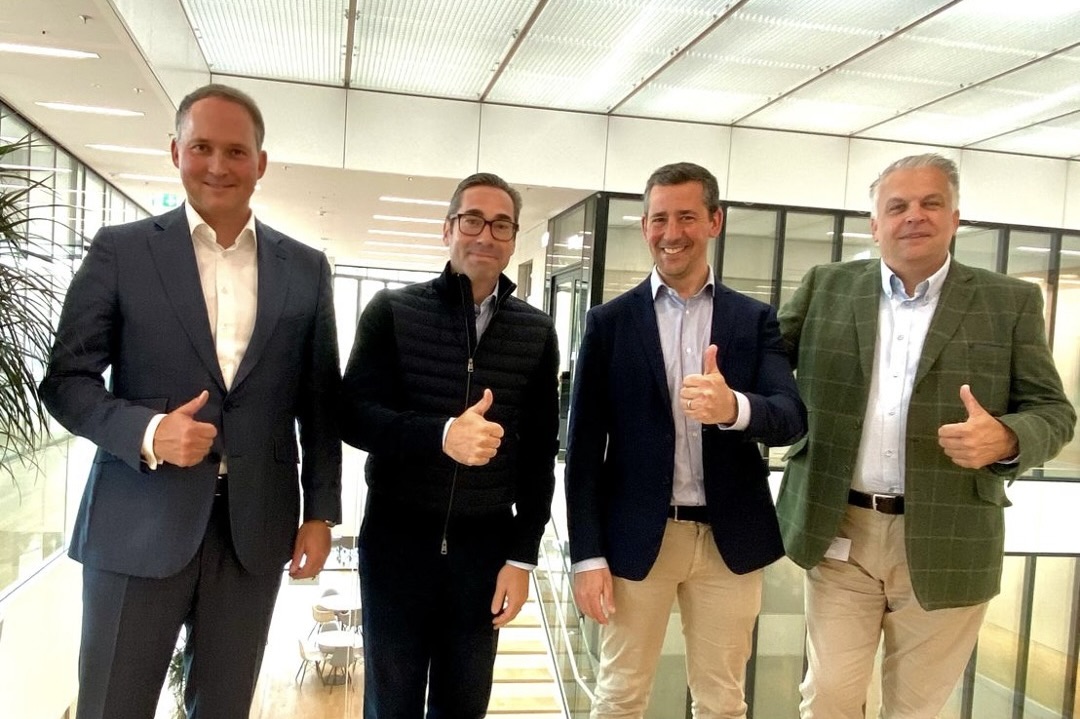
Simon Michel (General Partner [GP]), Mike Baur (GP), Craig Cooper (Investment Director), Derek Brandt (GP)

“Diabetes is a fast-evolving, global challenge and there is a strong need especially for new diabetes technologies that help people with diabetes in their daily life. With this dedicated fund we want to give those ventures an opportunity to grow their technologies and solutions and help closing the gaps we observe in the research

added Derek Brandt, CEO of the DCB. 

Today, 1 out of 11 adults globally suffers from diabetes. The market for solutions and services for people with diabetes is growing epidemically as the International Diabetes Federation (IDF) states. According to the IDF, the number of people living with diabetes will increase over 50% to 700 million people worldwide until 2045. 

About SSUG

Founded early 2015 by venture entrepreneurs Mike Baur, Max Meister and Oliver Walzer, the Swiss Startup Group (SSUG) is today the largest privately financed venture platform in Switzerland. The Group offers its investors advanced venture asset management, and a unique ecosystem and whole lifecycle support to startups. The SSUG has become one of the most active Swiss early-stage investors and has offices in Zurich, Bern, and Lausanne. 

More recent news

Sign up for our newsletter
to receive the latest news.

* Pflichtfelder
DSGVO *

DCB Research AG

Freiburgstrasse 3
3010 Bern
Switzerland