HEADWIND—a hypoglycaemia warning system for the prevention of road traffic accidents
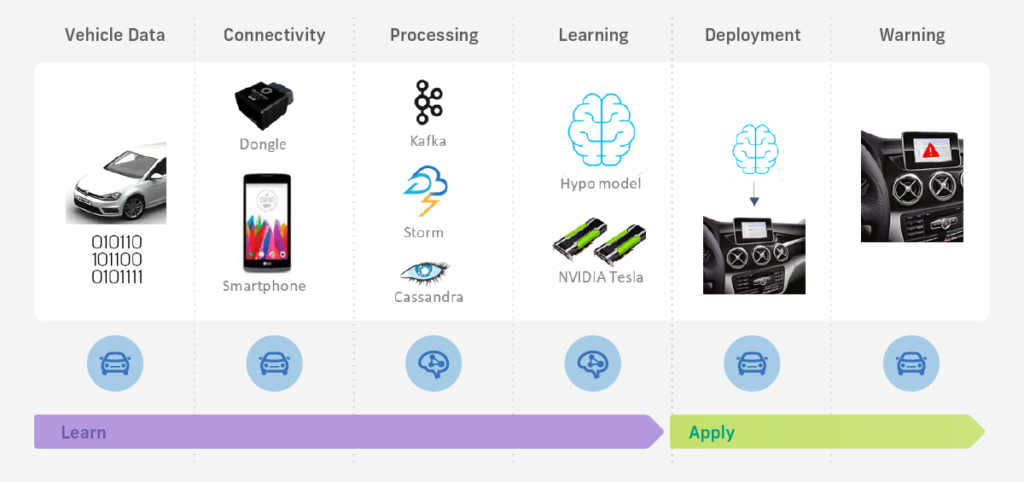
The HEADWIND project takes an innovative approach to improving traffic safety for people with diabetes. Its aim is to use vehicle data recorded in real time—while driving—to prevent accidents.
Hypoglycaemia as an accident risk when driving
Episodes of low blood sugar (hypoglycaemias) are a severe, acute complication of diabetes. Hypoglycaemia manifests as a reduction in concentration levels, slowing of perception and cognitive processes, and impairment of various psychomotor functions. These symptoms are of particular concern when driving, as this is a time when complex decisions sometimes have to be made very quickly. A research team made up of physicians, engineers and social scientists under the leadership of the Department of Diabetes, Endocrinology, Clinical Nutrition and Metabolism, Bern University Hospital, University of Bern, is blazing a new trail towards preventing traffic accidents associated with hypoglycaemia. The team is harnessing the immense array of possibilities that the rapid development of the automotive industry has opened up and is combining those new possibilities with innovative approaches from the field of artificial intelligence.
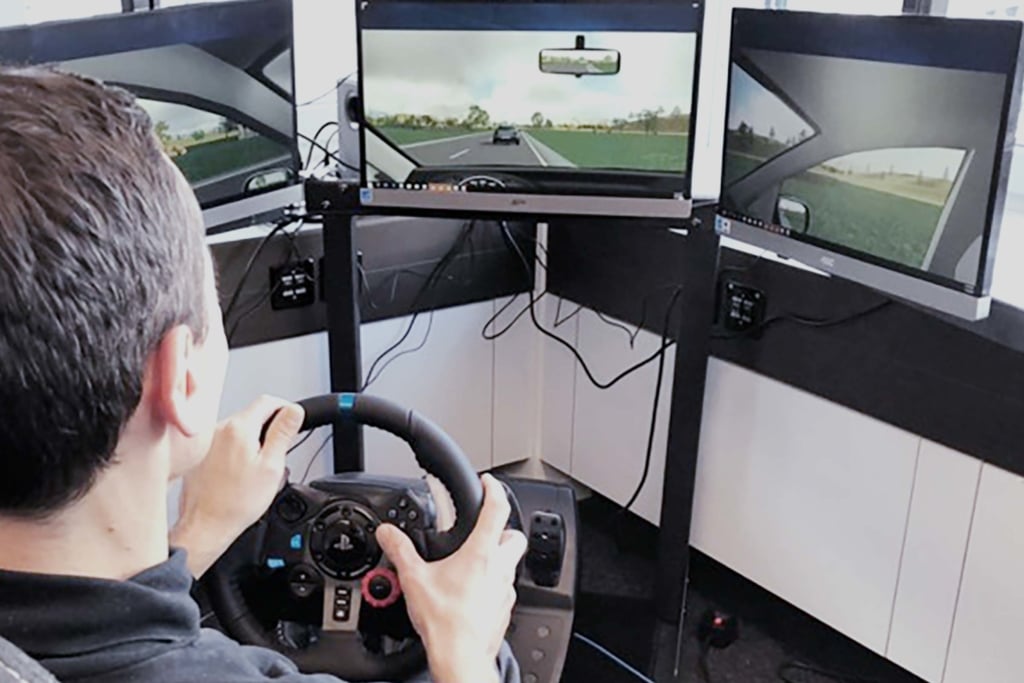
Initial pilot tests with the driving simulator
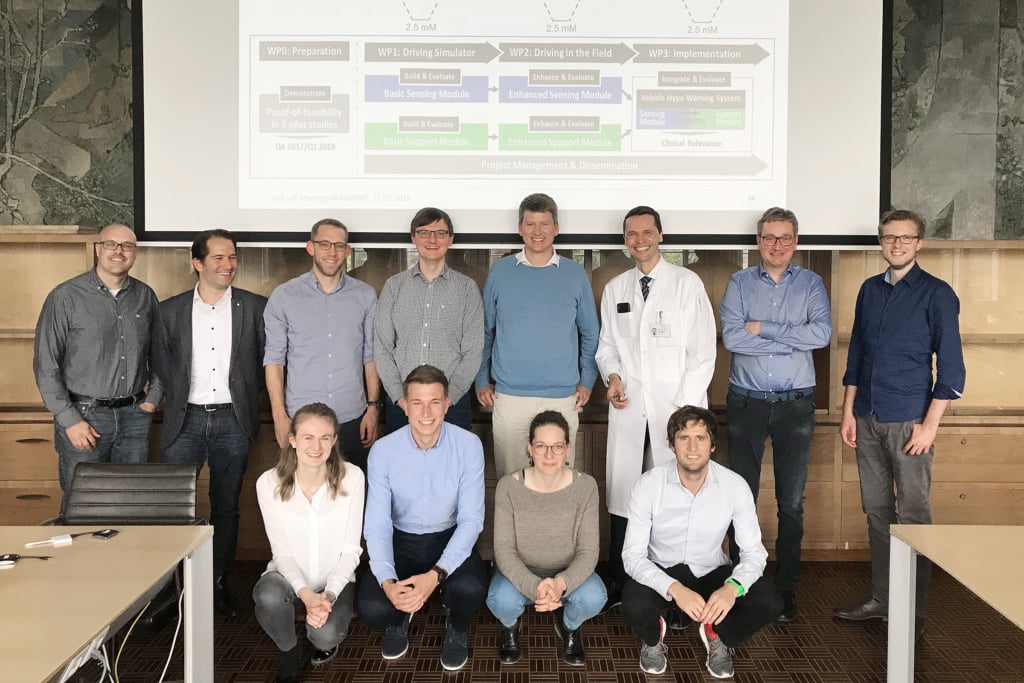
Kick-off meeting of the Headwind project team
Preventing accidents through continuous analysis of vehicle data
The research team, which is led by Prof. Dr. Christoph Stettler, aims to detect hypoglycaemias by analysing data collected from the vehicle in real time—while driving. Hundreds of driving parameters have already been recorded during driving to date. This data is now going to be used and continuously analysed through machine learning in order to detect changes in driving behaviour that could indicate a hypoglycaemia. In the initial stage, researchers will conduct investigations using a driving simulator, with hypoglycaemia being induced in patients under medical supervision. In the next stage, these investigations will be carried out on closed test tracks in real cars on the road. In addition to the challenge of extracting the data and processing it in real time using complex mathematical algorithms (machine learning), another particular challenge of this project is the need to bring about a hypoglycaemia in a person who is driving a car—a very tricky endeavour, both from a logistical and medical point of view. Not to mention a world first. The project is supported by the Swiss National Science Foundation (Sinergia project).
Project team: Prof. Dr. Christoph Stettler, Inselspital (University Hospital) and University of Bern (leading the project); Prof. Dr. Elgar Fleisch, ETHZ (Swiss Federal Institute of Technology Zurich) and University of St. Gallen; Prof. Dr. Markus Laimer, Inselspital and University of Bern; Prof. Dr. Tobias Kowatsch, ETHZ and University of St. Gallen; Prof. Dr. Felix Wortmann, ETHZ and University of St. Gallen; Prof. Dr. Stefan Feuerriegel, ETHZ; Dr. Thomas Züger, Inselspital Bern (Project Coordinator); Dr. Vera Lehmann, Inselspital and University Bern; Mathias Kraus, ETHZ; Caterina Bérubé, ETHZ
Project funding: Swiss National Science Foundation (Sinergia Programme), Department of Diabetes, Endocrinology, Clinical Nutrition and Metabolism, Bern University Hospital, University of Bern research fund (project contribution), DCB (infrastructure contribution)

Prof. Dr. Christoph Stettler is the head of the project.
More recent projects
SPN-005 – Pilot study on painless glucose monitoring
Towards painless, needle-free glucose monitoring for people with Type 1 Diabetes.Project description:For people with...
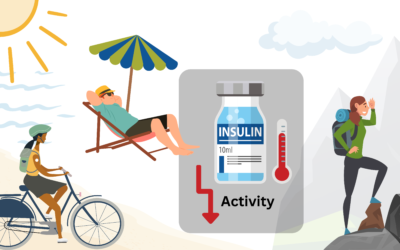
Insulin Activity Project
Exploring Insulin Stability and Activity in Diabetes ManagementInsulin is essential for diabetes management, but its...
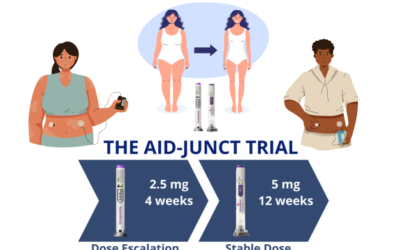
AID-JUNCT study: GIP/GLP-1RA as Adjunctive to Automated Insulin Delivery
Findings from a prospective, randomized clinical studyInnovative approaches to combination therapy in type 1...


DCB Research AG
Freiburgstrasse 3
3010 Bern
Schweiz